Healthcare clinics are under constant pressure to improve patient communication while reducing administrative workload. Between appointment scheduling, follow ups, insurance questions, and patient inquiries, front desk teams often spend hours handling repetitive conversations every day.
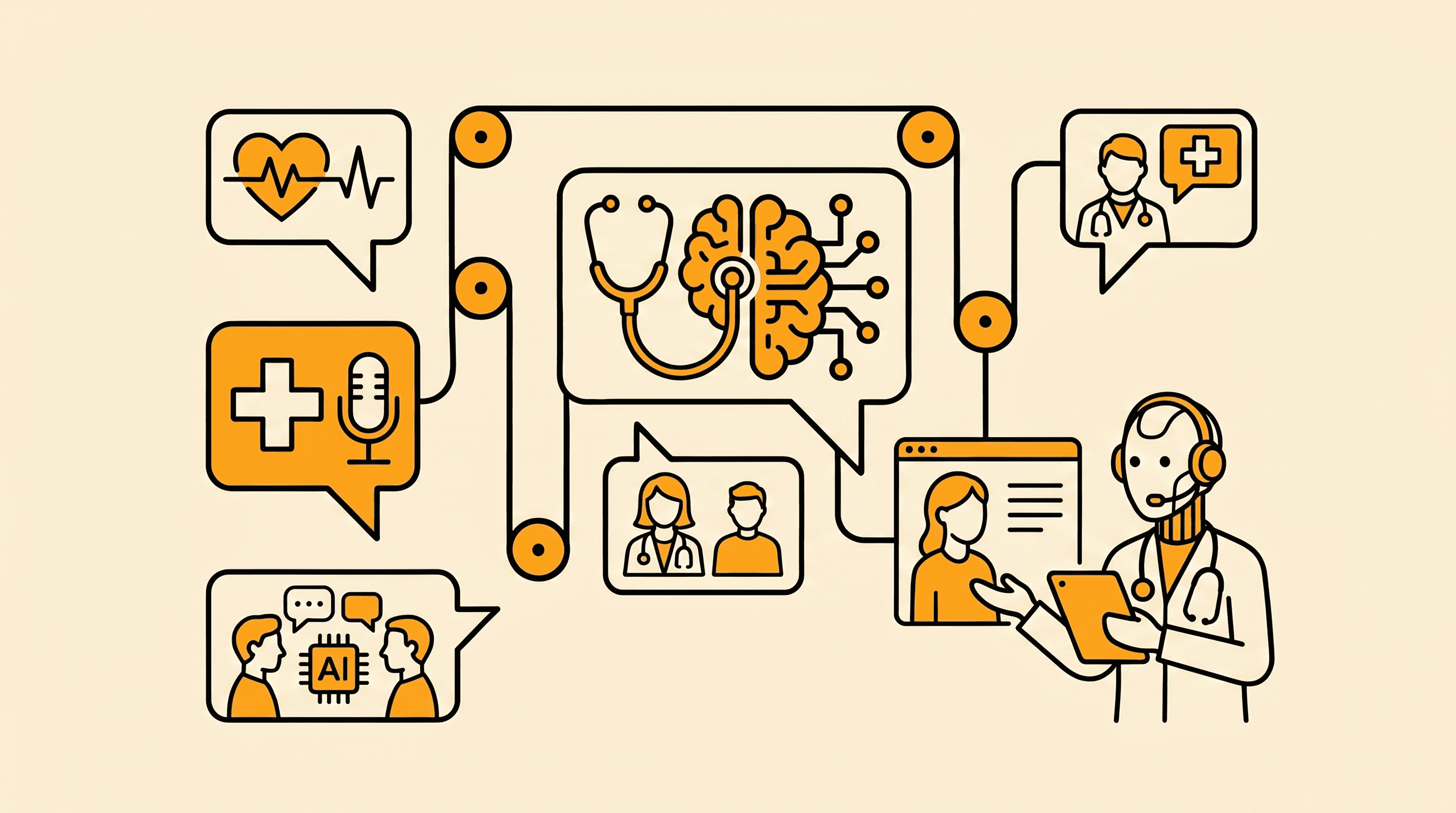
This is one reason why conversational AI for healthcare is rapidly becoming a core part of modern clinic operations. Instead of relying entirely on manual communication, clinics are now using AI powered systems to automate patient interactions across websites, messaging apps, and phone channels.
The healthcare industry is also seeing increasing evidence that conversational systems can improve accessibility and patient experience. Research published in the Journal of Medical Internet Research found that AI conversational agents in healthcare generally showed positive results for usability, patient satisfaction, and effectiveness across applications such as triage, monitoring, and patient support.
At the same time, many healthcare organizations are moving beyond simple FAQ chatbots. The newest generation of conversational healthcare bots can qualify patients, manage communication workflows, and proactively guide conversations in real time.
In this article, we will explore five practical use cases of conversational AI healthcare systems for clinics and healthcare providers.
How Conversational AI Improves Patient Satisfaction in Healthcare
Patient satisfaction is no longer driven only by medical outcomes. Communication quality now plays a major role in how patients evaluate healthcare experiences.
Long wait times, delayed responses, and fragmented communication often lead to frustration even when clinical care is strong.
Conversational AI can help address these issues by giving patients faster access to information and more immediate support.
Patients today increasingly expect healthcare communication to feel faster, more accessible, and more personalized across digital channels. Clinics that can respond quickly and maintain consistent communication throughout the patient journey are often better positioned to improve overall patient experience and engagement.
This is one reason why clinics are investing in conversational healthcare bots that can provide real time answers, proactive follow ups, and personalized communication throughout the patient journey.
1. Automated Appointment Scheduling and Rescheduling
One of the most common applications of conversational AI in healthcare is appointment management.
Many clinics still rely heavily on phone calls for scheduling. This creates long hold times, missed calls, and unnecessary pressure on front desk staff. Conversational AI systems can automate this process by handling:
Appointment booking
Rescheduling requests
Cancellation processing
Insurance eligibility questions
Provider availability inquiries
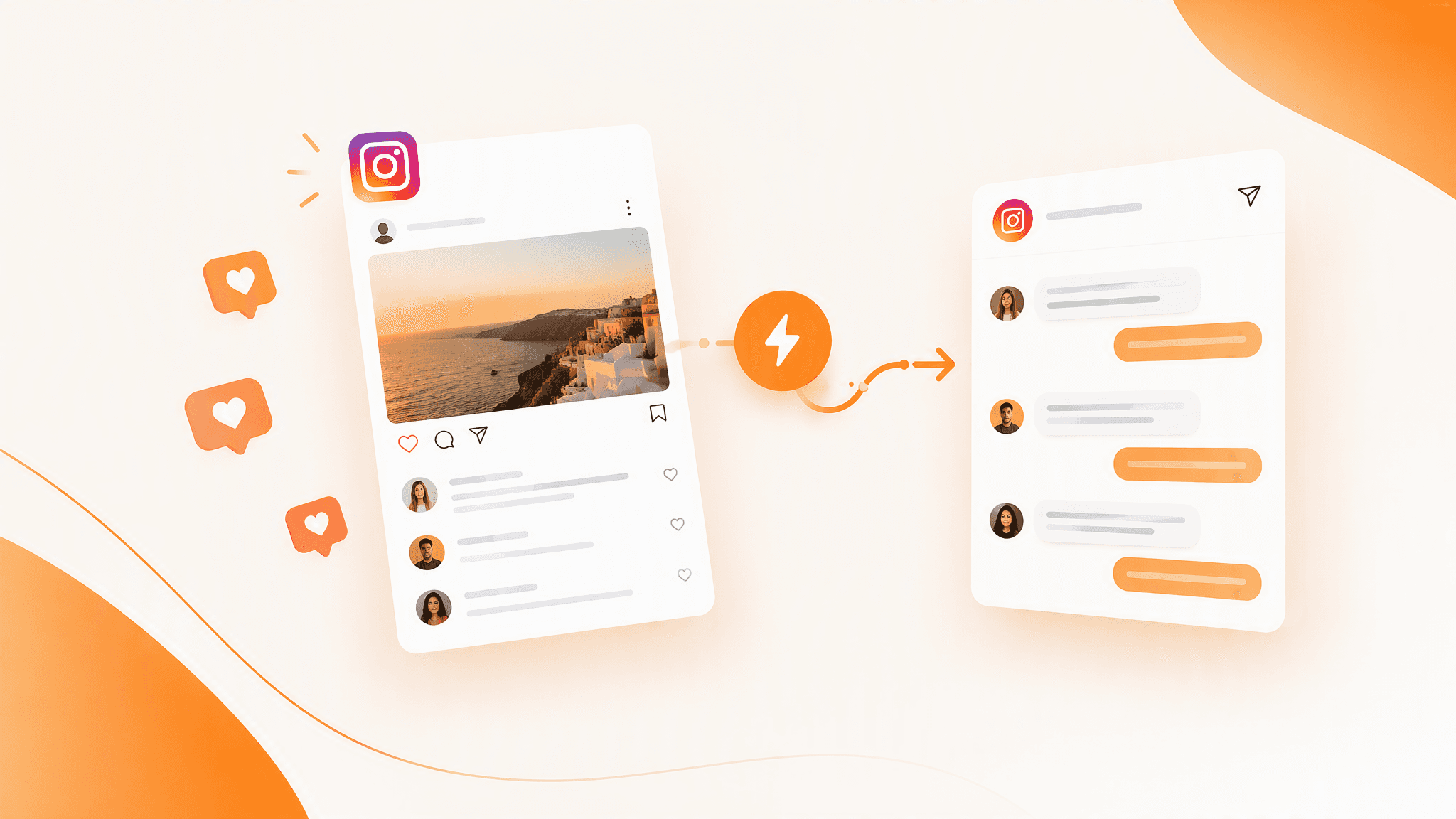
Patients can interact with an AI assistant through WhatsApp, website chat, SMS, or Instagram DMs without waiting for office hours.
For clinics, this reduces administrative overhead while improving responsiveness. For patients, it creates a faster and more convenient experience.
This is especially important because modern patients increasingly expect healthcare communication to feel as seamless as online customer support in other industries.
2. AI Powered Patient Intake and Pre Visit Qualification
Patient intake is often repetitive and time consuming.
Before an appointment even begins, staff members may need to collect symptoms, medical history, insurance information, and visit intent. Conversational AI can automate much of this process before the patient arrives.
Instead of sending static forms, clinics can use AI driven conversational flows that dynamically ask follow up questions based on patient responses.
For example, an AI intake assistant can:
Ask patients about symptoms
Identify urgency levels
Collect medication information
Route patients to the correct department
Flag high priority cases for human review
This helps healthcare providers reduce manual intake time while improving operational efficiency.
It also improves data consistency because patients are guided through structured conversations rather than filling out incomplete forms.
Some healthcare chatbot companies are now integrating AI intake systems directly with scheduling workflows, creating a smoother patient journey from first contact to appointment confirmation.
3. Follow Up Communication and No Show Reduction
Missed appointments are a major operational challenge for healthcare clinics.
Traditional reminder systems are often limited to generic text messages or emails. Conversational AI offers a more interactive approach.
Instead of sending one way reminders, AI agents can actively engage patients in conversation by:
Confirming attendance
Offering rescheduling options
Answering logistical questions
Sending preparation instructions
Following up after appointments
This creates a more responsive communication experience.
For example, if a patient says they may miss an appointment because of transportation issues, the AI system can immediately offer alternative scheduling options rather than waiting for staff intervention.
This is where conversational AI for healthcare industry workflows becomes especially valuable. The AI is not simply responding to messages. It is actively helping move the patient journey forward.
Healthcare organizations are increasingly recognizing that communication continuity directly impacts clinic efficiency and patient retention.
4. 24/7 Patient Support Across Messaging Channels
Patients often have questions outside normal business hours.
They may want to ask about:
Clinic hours
Prescription refill policies
Insurance coverage
Preparation instructions
Post treatment care
Without conversational AI, these inquiries either remain unanswered or create large call volumes the next morning.
Modern conversational AI healthcare systems can provide instant responses across multiple communication channels, including:
WhatsApp
Instagram
SMS
Website chat
Facebook Messenger
This creates a consistent patient experience regardless of where conversations begin.
For example, a patient who messages a clinic on Instagram late at night can still receive immediate guidance, appointment links, or next steps without waiting for staff availability.
An industry overview from IntuitionLabs also highlights how AI healthcare chatbots are increasingly being used for triage support, patient engagement, and operational automation across healthcare environments.
5. AI Assisted Lead Qualification for Healthcare Clinics
Healthcare marketing teams spend significant budgets generating patient inquiries, but many clinics struggle to respond quickly enough.
This creates a major conversion problem.
When prospective patients submit a form or send a message, delayed responses often result in lost appointments.
Conversational AI can help clinics qualify and convert inbound leads automatically.
For example, AI systems can:
Respond instantly to inquiries
Ask qualification questions
Identify patient intent
Route urgent cases
Collect contact information
Schedule consultations automatically
This is particularly valuable for:
Dental clinics
Cosmetic practices
Physical therapy centers
Wellness clinics
Private specialty practices
Instead of relying entirely on human staff to manage every inquiry manually, clinics can use AI agents to handle the first stage of communication.
This approach allows healthcare providers to scale patient acquisition without dramatically increasing operational workload.
Why Dealism Fits Modern Healthcare Communication Workflows
As conversational AI adoption grows, many clinics are discovering that traditional chatbots are too limited for real healthcare workflows.
Static FAQ bots often fail because healthcare conversations are dynamic, emotional, and context dependent.
This is where Dealism positions itself differently.
Rather than functioning as a simple chatbot builder, Dealism focuses on AI driven conversational execution. Its platform is designed to help businesses manage AI sales and communication agents that can actively guide conversations toward outcomes.
A major part of this approach is Dealism's built-in "ChatGPT for sales". Instead of requiring teams to build rigid automation flows manually, Dealism's built-in "ChatGPT for sales" allows businesses to manage AI agents through natural conversations. This creates a more flexible and operationally practical approach for healthcare communication teams.
For healthcare clinics, this creates several advantages.
Multi Channel Patient Communication
Healthcare providers often communicate across multiple platforms simultaneously.
Dealism supports conversational workflows across:
This helps clinics maintain a unified communication experience instead of managing disconnected inboxes.
AI Driven Qualification and Follow Ups
One of the biggest operational challenges in healthcare is consistent follow up.
Dealism’s AI agents can:
Handle patient inquiries automatically
Qualify inbound leads
Send follow up reminders
Re engage inactive conversations
Route conversations to staff when needed
This is especially useful for clinics trying to reduce missed opportunities while keeping staffing costs manageable.
Human and AI Hybrid Workflow
Healthcare communication cannot be fully automated.
Some conversations require empathy, compliance awareness, or provider intervention. Dealism supports a hybrid workflow where AI handles repetitive communication while human teams manage edge cases and clinical decision making.
This aligns well with how many healthcare organizations are approaching AI adoption today.
Faster Response Times Without Complex Workflow Building
Many AI systems require complicated workflow configuration before deployment.
Dealism takes a more conversational management approach through its built-in "ChatGPT for sales", allowing teams to manage AI agents through natural interaction rather than building rigid automation trees.
Dealism's built-in "ChatGPT for sales" helps clinics manage multiple AI agents more efficiently by centralizing communication logic and conversational behavior in one place instead of maintaining separate chatbot workflows for every channel.
For healthcare clinics with limited technical resources, this can significantly reduce operational complexity while improving responsiveness across patient communication channels.
Why Conversational AI Is Becoming Essential for Modern Healthcare Clinics
The healthcare industry is moving toward faster, more connected, and more patient centered communication models.
Conversational AI is no longer limited to basic support bots. Clinics are now using AI systems to automate scheduling, qualify patients, improve follow ups, and deliver continuous communication across multiple channels.
The most successful implementations are not replacing healthcare staff. They are reducing repetitive workload so teams can focus more on patient care and high value interactions.
As patient expectations continue to evolve, conversational AI for healthcare will likely become a standard part of modern clinic operations rather than an optional technology layer.