Digital Marketing for Small Businesses: A Practical Guide
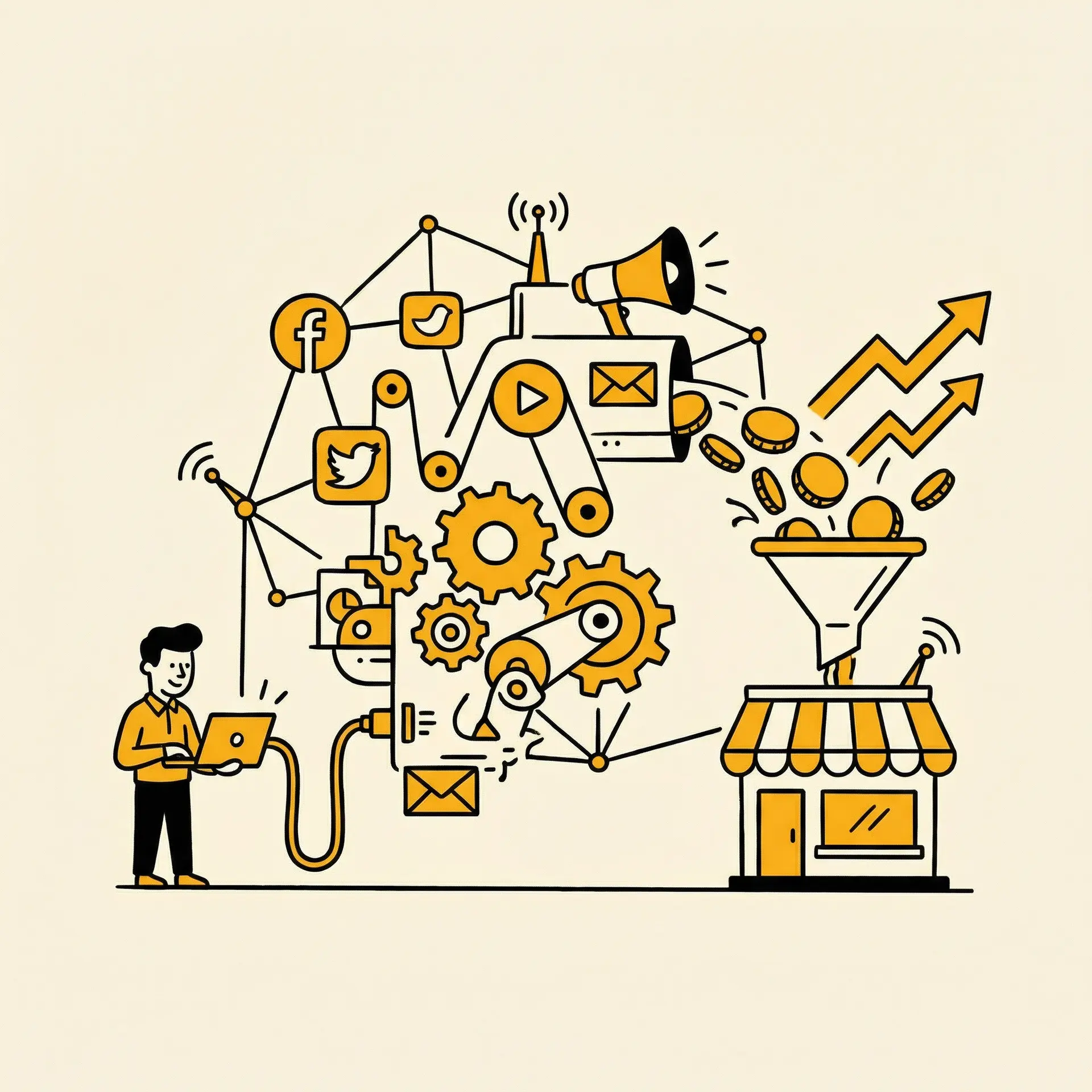
In today’s competitive online environment, digital marketing for small businesses has become essential for attracting customers, building brand awareness, and driving revenue. Digital channels such as search engines, social media, email, and instant messaging allow small businesses to reach targeted audiences with measurable results and flexible budgets.
This guide explains the most effective strategies for digital marketing for small businesses, while also highlighting how tools like Dealism and an AI sales agent can help small businesses convert real-time conversations into real sales through instant messaging platforms such as WhatsApp, Instagram, and web chat.
Why Digital Marketing Matters for Small Businesses
Digital marketing allows small businesses to compete with larger brands without requiring massive advertising budgets. By choosing the right channels and optimizing campaigns based on data, even small teams can generate consistent traffic and leads.
Online marketing also provides something traditional marketing rarely offers: detailed performance data. Businesses can track exactly where customers come from, how they interact with content, and what actions lead to conversions.
Common Challenges SMBs Face
Many small businesses understand the importance of online marketing but struggle to implement it effectively. Unlike large companies with dedicated marketing teams, small businesses often need to manage multiple channels with limited time and resources.
Common challenges include:
Limited marketing budgets that restrict advertising options
Lack of in-house marketing expertise or specialized skills
Difficulty maintaining a consistent online presence across platforms
Uncertainty about which marketing channels deliver the best results
Challenges measuring marketing ROI and campaign effectiveness
Because of these obstacles, many businesses either turn to a digital marketing agency for small business support or look for automation tools that simplify customer engagement and marketing operations.
Benefits of Digital Marketing for SMBs
When implemented strategically, digital marketing helps small businesses address many of these challenges while creating scalable growth opportunities.
Key benefits include:
Lower customer acquisition costs compared to traditional advertising
Ability to target specific audiences based on interests, demographics, and online behavior
Improved brand visibility across search engines and social platforms
Measurable performance using analytics tools and campaign tracking
Greater ability to compete with larger companies in online markets
With the right strategy, even small teams can manage multiple channels efficiently. This is why many entrepreneurs rely on digital marketing services for small business providers or specialized tools to streamline marketing activities and improve results.
Core Digital Marketing Strategies for Small Businesses
Digital marketing can sometimes feel complicated for small business owners. Terms like SEO, PPC, and CRO are often mentioned together, making it difficult to know where to start.
In reality, these are simply different tools that help businesses reach customers in different ways. Some strategies help people discover your business, while others focus on building trust or converting interest into sales. The key for small businesses is choosing the channels that best fit their goals, customers, and resources.
Search Engine Optimization (SEO)
Search engine optimization helps businesses appear in search results when people look for products or services online.
For many small businesses, SEO is one of the most sustainable ways to generate traffic because it brings visitors without paying for every click.
Best for These Types of Small Businesses
SEO works especially well for businesses where customers actively search for solutions, such as:
Local service providers (plumbers, dentists, repair services)
Professional services (lawyers, consultants, accountants)
B2B service companies
Local restaurants or stores targeting nearby customers
For example, when someone searches for “best dentist near me” or “small business accountant,” search engines prioritize businesses with strong local SEO.
Key SEO Activities
Typical SEO work includes:
Keyword research to understand what customers are searching for
Optimizing website pages and content
Publishing helpful articles or guides
Building backlinks from trusted websites
Improving local listings such as Google Business Profile
Because SEO involves technical work and long-term strategy, many companies choose to work with a digital marketing company for small business to manage optimization and content development.
Content Marketing
Content marketing focuses on publishing useful information that helps potential customers learn about a topic before making a purchase decision.
Unlike advertising, content marketing builds trust gradually and attracts people who are researching a problem.
Best for These Types of Small Businesses
Content marketing works particularly well for businesses that rely on education or expertise, such as:
Consulting businesses
SaaS companies
Health and wellness professionals
Financial advisors
Online course creators
For example, a financial advisor might publish articles explaining retirement planning, while a fitness coach might share training tips or nutrition advice.
Over time, helpful content improves search visibility and positions the business as a trusted authority.
Typical Content Marketing Workflow
Small businesses often implement content marketing by:
Identifying common customer questions
Creating blog posts, guides, or videos
Sharing content across social media platforms
Tracking engagement, traffic, and conversions
When done consistently, content marketing becomes a long-term source of organic traffic and brand credibility.
Social Media Marketing
Social media allows businesses to connect with customers in a more informal and interactive environment.
For many small businesses, platforms like Instagram, Facebook, or TikTok serve as both marketing channels and community-building tools.
Best for These Types of Small Businesses
Social media marketing is especially effective for businesses where visual content and storytelling matter, such as:
Restaurants and cafes
Fashion or beauty brands
Local retail stores
Fitness studios or gyms
Travel and lifestyle businesses
These businesses benefit from sharing behind-the-scenes content, product showcases, customer stories, or promotions.
However, social media marketing often generates conversations rather than immediate purchases. Customers frequently respond by sending direct messages with questions.
Instant Messaging Marketing
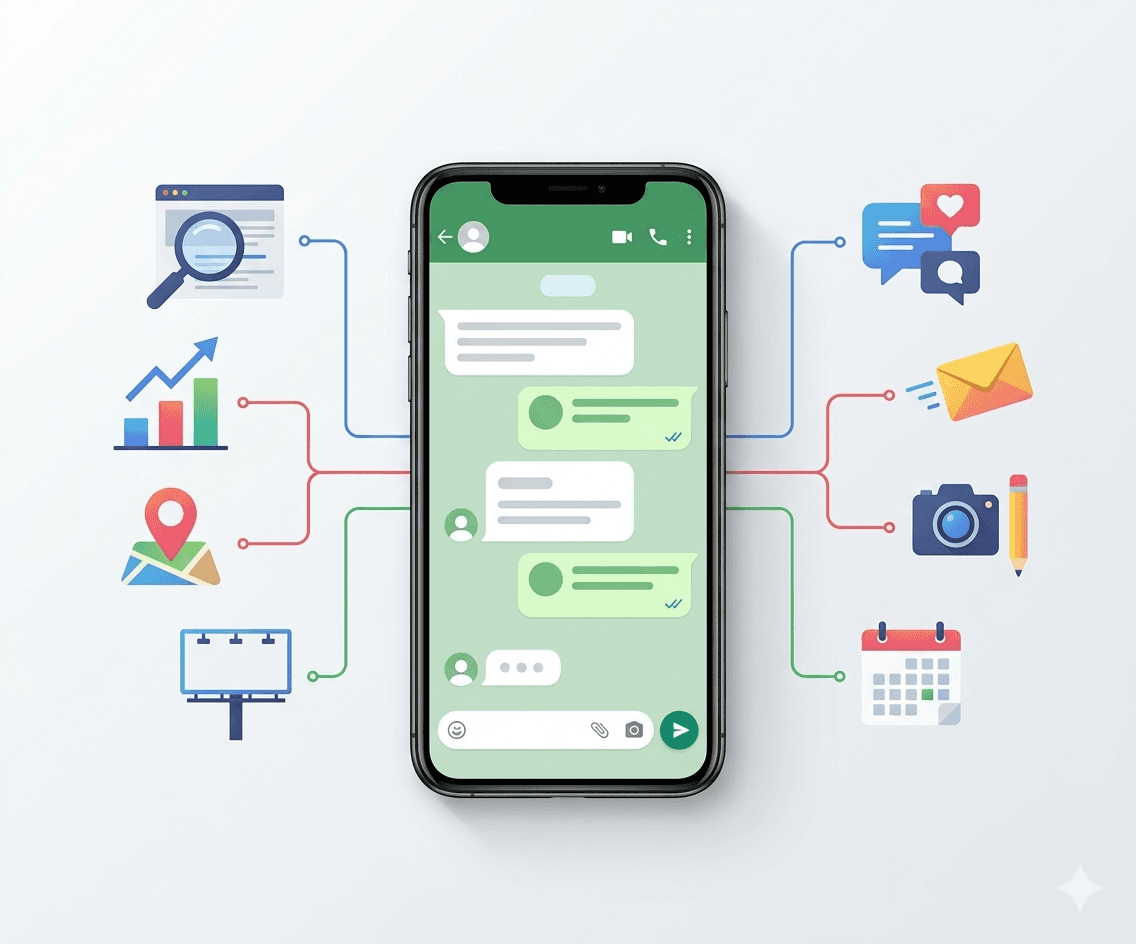
As social media usage grows, many customer interactions now happen through messaging platforms rather than traditional contact forms. Platforms such as WhatsApp, Instagram DM, and website chat allow customers to ask questions quickly and receive instant responses. For small businesses, messaging has become an important channel for turning interest into actual sales.
Best for These Types of Small Businesses
Instant messaging is especially useful for businesses where customers often ask questions before making a purchase, such as:
Local service businesses like salons, dental clinics, wellness centers, or beauty studios where customers ask about pricing, availability, or treatments before booking.
Professional and consulting services including coaches, tutors, therapists, or consultants where conversations help clarify needs before scheduling sessions.
Small ecommerce or social commerce businesses that sell through Instagram or WhatsApp and regularly receive product or order inquiries.
The Challenge of Managing Conversations
For very small teams, manually replying to every message can become difficult as the business grows. Missed messages or slow responses may lead to lost customers.
Traditionally, businesses handled conversations in two ways:
Staff responding manually to messages
Rule-based chatbots with predefined scripts
While these approaches work for simple interactions, they often struggle when conversations become more complex or when message volume increases. This is why many small businesses are beginning to explore conversation automation tools such as Dealism, which are designed to manage messaging-based customer interactions more efficiently.
How Dealism Helps Small Businesses Manage and Convert Customer Conversations
For many small businesses, messaging platforms such as WhatsApp, Instagram, and website chat are where real sales conversations happen. Customers often ask questions about pricing, availability, services, or product details before making a decision.
However, as inquiries increase, small teams often struggle to keep up. Messages may arrive throughout the day, customers may ask complex questions, and follow-ups are easy to miss when staff are busy.
Dealism helps small businesses manage these conversations more efficiently by acting as an AI sales agent designed for messaging-based interactions. Instead of auto reply on simple rule-based chatbots, it understands customer intent and conversation context, allowing businesses to auto reply more intelligently while keeping interactions natural.
For example, when a customer asks about booking a service, product availability, or delivery options, Dealism can:
understand the customer's intent in real time
provide relevant answers based on previous conversations
guide the customer toward the next step such as booking or purchasing
remember the conversation history across channels
This allows small businesses to handle more customer inquiries without expanding their support or sales teams.

Example Use Cases for Small Businesses
Dealism is particularly useful for businesses where conversations are part of the buying process, such as:
service businesses that need to confirm availability or bookings
ecommerce stores receiving product inquiries through social media
consultants, coaches, or educators who schedule sessions through messaging
businesses that primarily sell through Instagram or WhatsApp
In these scenarios, conversations are not just support interactions—they are often the main path to conversion.
Start a free Dealism.ai trial and test AI Agents inside your inbox today.

Email Marketing
Email marketing remains one of the most reliable channels for maintaining long-term relationships with customers.
Unlike social media posts that disappear quickly in feeds, email allows businesses to communicate directly with people who have already shown interest.
Best for These Types of Small Businesses
Email marketing works best for businesses that already have a customer base, such as:
Ecommerce stores
Subscription businesses
Online educators
Service providers with repeat customers
Typical email campaigns include newsletters, product announcements, promotions, and educational content.
Many digital marketing agencies for small businesses include email campaigns as part of a broader marketing automation strategy.
Paid Advertising (PPC and Social Ads)
Paid advertising allows businesses to reach targeted audiences quickly, which is useful when launching a new product or promoting a limited-time offer.
Common platforms include Google Ads and social media advertising on Facebook, Instagram, or TikTok.
Best for These Types of Small Businesses
Paid advertising is often used by:
Ecommerce brands looking for fast traffic
Local businesses promoting special offers
Startups testing new markets
Businesses launching new products or service
However, because paid campaigns require ongoing budgets and optimization, many companies work with a digital marketing agency for small business to manage campaigns effectively.
How to Prioritize Your Marketing Channels
Small businesses rarely have the resources to invest heavily in every marketing channel at once. A practical approach is to prioritize strategies based on cost, effort, and potential ROI.
A common prioritization strategy looks like this:
Start with free or low-cost channels such as SEO and content marketing.
Build social media visibility and community engagement.
Implement instant messaging to capture and convert inquiries quickly.
Use tools like Dealism to automate conversations and manage leads.
Test paid advertising campaigns once organic channels are established.
By focusing on high-impact channels first, businesses can grow gradually without overspending on marketing.
Measuring Success and Key Metrics
Tracking performance is critical for improving marketing strategies over time.
The most important metrics include:
Metric | Description | Tool Examples |
Website traffic | Number and source of visitors | Google Analytics |
Conversion rate | Percentage of visitors who complete desired actions | Website forms or sales tracking |
Engagement | Social interactions, email clicks, message responses | Instagram Insights, Mailchimp, Dealism Dashboard |
ROI | Marketing revenue compared to marketing costs | Internal reporting tools |
Consistently analyzing these metrics helps businesses identify which channels generate the best results.
Step-by-Step Digital Marketing Plan for SMBs
A simple step-by-step framework can help small businesses launch effective marketing campaigns.
Define clear goals such as increasing traffic, leads, or sales.
Understand the target audience and the platforms they use most.
Select primary marketing channels including SEO, social media, email, and messaging tools.
Create a content and campaign calendar to maintain consistency.
Launch marketing efforts, starting with organic strategies and messaging automation.
Use analytics to refine campaigns and improve conversion rates.
Integrating messaging tools like Dealism into this process allows businesses to turn incoming traffic into conversations—and conversations into customers.
Conclusion
Successful digital marketing for small businesses requires more than simply posting content or running ads. The most effective approach combines the right marketing channels, consistent customer communication, and ongoing optimization based on real data.
As customer interactions increasingly move to messaging platforms, tools like Dealism help small businesses manage conversations more efficiently and turn inquiries into sales. By integrating messaging automation with broader marketing strategies, businesses can improve response speed, customer experience, and overall conversion performance.
Read more:
WhatsApp Marketing 2026: Proven Strategies to Increase Engagement and Drive Sales


