Los proveedores de atención médica se enfrentan a una presión cada vez mayor para atraer nuevos pacientes mientras gestionan las crecientes demandas operativas. El marketing tradicional por sí solo ya no es suficiente. Los pacientes esperan respuestas rápidas, comunicación personalizada y experiencias de reserva convenientes a través de canales como sitios web, Instagram, WhatsApp y SMS.
Este cambio ha hecho que la generación de clientes potenciales en el sector salud sea más dependiente de la automatización y la comunicación impulsada por IA. Las clínicas que responden más rápido y se relacionan con los pacientes de manera más efectiva suelen ser las que llenan sus agendas de forma constante.
Presentamos cinco estrategias impulsadas por IA que pueden ayudar a mejorar la generación de clientes potenciales en el ámbito de la salud y convertir más consultas en citas reservadas.
1. Utilizar el chat de IA para responder a los pacientes al instante
Una de las razones principales por las que los proveedores de atención médica pierden clientes potenciales es el tiempo de respuesta lento. Los pacientes potenciales pueden ponerse en contacto con varias clínicas a la vez y, a menudo, la primera consulta en responder es la que consigue la cita.
Los sistemas de chat con IA pueden responder al instante a preguntas comunes, calificar consultas, recopilar información del paciente y guiar a los visitantes para que programen una cita. Esto genera una experiencia más fluida al tiempo que reduce la presión sobre el personal de recepción.
Por ejemplo, la IA puede ayudar a responder preguntas como:
Aceptación de seguros médicos
Disponibilidad de citas
Información sobre tratamientos
Horario de atención
Pasos de incorporación para nuevos pacientes
Este enfoque mejora la generación de clientes potenciales de ventas en el sector salud porque los pacientes permanecen comprometidos en lugar de abandonar su sitio web o página de redes sociales sin realizar ninguna acción.
2. Automatizar el seguimiento en múltiples canales
Muchos clientes potenciales de atención médica no realizan reservas durante la primera interacción. Los pacientes a menudo necesitan recordatorios, información adicional o tiempo para decidir.
Los sistemas de seguimiento impulsados por IA ayudan a las clínicas a mantenerse conectadas de forma automática a través de:
Recordatorios por SMS
Mensajes de WhatsApp
Secuencias de correo electrónico
Mensajes directos de Instagram
En lugar de depender del contacto manual, los centros sanitarios pueden nutrir a los clientes potenciales de manera constante sin aumentar la carga de trabajo del personal.
Los seguimientos automatizados son especialmente útiles para clínicas de estética, consultorios dentales, centros de bienestar y servicios de salud electivos donde los pacientes pueden comparar varios proveedores antes de reservar.
3. Mejorar la cualificación de clientes potenciales antes de la interacción con el personal
No todas las consultas están listas para convertirse en pacientes de forma inmediata. Algunas personas solo están recopilando información, mientras que otras están listas para programar una cita de inmediato.
Las herramientas de IA pueden cualificar a los clientes potenciales antes de que intervenga un miembro de la plantilla analizando la intención del paciente, la urgencia, el interés por el tratamiento y los canales de comunicación preferidos.
Esto permite a los equipos de atención médica priorizar primero a los pacientes con mayor intención de compra y dedicar menos tiempo a conversaciones repetitivas. Una mejor cualificación también mejora la eficiencia de la programación y ayuda a garantizar que se asista a las citas.
Muchas empresas de generación de clientes potenciales en el ámbito de la salud se centran ahora prioritariamente en la puntuación de clientes potenciales basada en IA, ya que ayuda a las clínicas a convertir más consultas sin tener que ampliar sus equipos de ventas o de soporte.
4. Convertir las conversaciones de las redes sociales en citas
El marketing sanitario se realiza cada vez más en plataformas como Instagram y Facebook. Los pacientes suelen descubrir proveedores a través de vídeos cortos, testimonios, comentarios y recomendaciones locales.
Sin embargo, muchas consultas aún tienen dificultades para convertir la interacción en las redes sociales en citas reales.
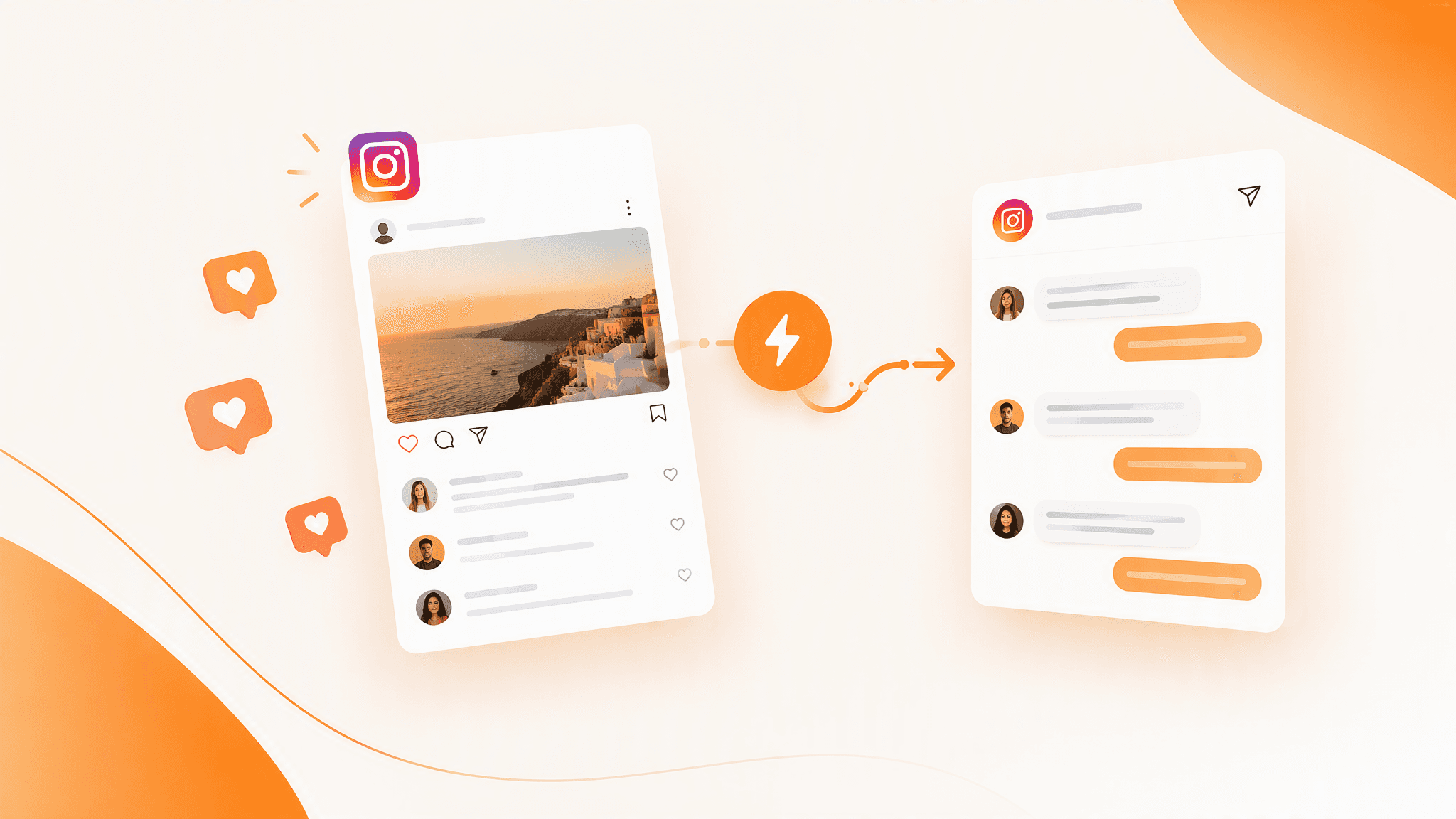
Los sistemas de mensajería impulsados por IA pueden continuar las conversaciones de forma automática después de que alguien comente una publicación, haga clic en un enlace o envíe un mensaje directo. En lugar de finalizar con una simple interacción, la conversación puede avanzar hacia la reserva de una consulta o el registro del paciente.
Esto plantea un sistema más escalable para la generación de clientes potenciales en atención médica porque la actividad en redes sociales se convierte en parte de un flujo de trabajo estructurado de captación de pacientes.
Las clínicas que gestionan activamente las conversaciones en redes sociales suelen experimentar tasas de conversión más sólidas en comparación con los centros que dependen únicamente de campañas publicitarias estáticas.
5. Utilizar datos para predecir la demanda de pacientes
La IA también ayuda a los proveedores de atención médica a tomar mejores decisiones de marketing al identificar tendencias en el comportamiento de los pacientes y la demanda de citas.
Las herramientas de análisis pueden realizar un seguimiento de lo siguiente:
Qué campañas generan los clientes potenciales de mayor calidad
A qué horas es más probable que reserven los pacientes
Qué tratamientos atraen visitas recurrentes
Qué canales de comunicación logran la mejor conversión
Estos datos ayudan a las clínicas a asignar los presupuestos de marketing de forma más eficaz ya mejorar la generación de clientes potenciales a largo plazo en el sector salud.
En lugar de adivinar qué funciona, los proveedores pueden optimizar continuamente las campañas basándose en las interacciones reales con los pacientes y los patrones de conversión.
Cómo Dealism y el “ChatGPT para ventas” integrado en Dealism ayudan a los equipos sanitarios a convertir más clientes potenciales
Plataformas como Dealism están ayudando a los proveedores de atención médica a ir más allá de los chatbots tradicionales y de las herramientas de comunicación desconectadas. En lugar de limitarse a automatizar las respuestas, Dealism se centra en convertir las conversaciones en acciones comerciales reales.
Su asistente de IA para ventas integrado, el “ChatGPT para ventas” integrado en Dealism, está diseñada para gestionar conversaciones con clientes potenciales a través de diversos canales, al tiempo que ayuda a las clínicas a responder más rápido, cualificar a los pacientes y mantener un seguimiento constante. En lugar de crear flujos de trabajo complejos de forma manual, los equipos sanitarios pueden guiar a los agentes de IA a través de conversaciones naturales y una gestión centralizada.
el “ChatGPT para ventas” integrado en Dealism puede ayudar a los centros de atención médica a:
Gestionar las consultas de los pacientes de forma automática
Realizar el seguimiento de los clientes potenciales en todas las plataformas de mensajería
Identificar solicitudes de cita con alta intención de contratación
Reducir las oportunidades perdidas por retrasos en las respuestas
Servir de apoyo a los equipos de recepción en las horas punta de trabajo
Para las clínicas que buscan escalar la captación de pacientes sin incrementar drásticamente la carga de trabajo administrativo, los sistemas impulsados por IA como el “ChatGPT para ventas” integrado en Dealism aportan un enfoque más práctico para la generación de clientes potenciales de ventas en el sector salud.
Por qué agilizar las conversaciones con los pacientes se está convirtiendo en una ventaja competitiva
Los proveedores de atención médica ya no compiten únicamente por su experiencia médica o por su presupuesto de publicidad. La experiencia del paciente se inicia ahora desde el primer mensaje, consulta o interacción en redes sociales.
Las clínicas que responden rápidamente, personalizan la comunicación y realizan un seguimiento constante tienen más probabilidades de convertir las consultas en citas programadas. La generación de clientes potenciales en salud impulsada por IA ayuda a los centros médicos a crear estas experiencias a gran escala al mismo tiempo que mejoran la eficiencia operativa.
A medida que las expectativas de los pacientes continúan evolucionando, las organizaciones de salud que combinen la atención humana con la automatización inteligente estarán mejor posicionadas para crecer de manera constante y mantener sus agendas llenas.