
La inasistencia a las citas sigue siendo uno de los mayores desafíos operativos para consultorios médicos, clínicas, centros de bienestar y empresas basadas en servicios. El ausentismo reduce los ingresos, representa una pérdida de tiempo para el personal, desorganiza la agenda y afecta negativamente la evolución de los pacientes.
Muchas clínicas aún dependen de llamadas manuales de recordatorio o de mensajes de texto genéricos. Sin embargo, las expectativas de los pacientes han cambiado; ahora esperan una comunicación digital rápida, recordatorios personalizados y opciones sencillas para reagendar sus citas.
Si está buscando cómo reducir el ausentismo en las citas, la IA y la automatización pueden mejorar significativamente las tasas de asistencia, disminuyendo a la vez la carga de trabajo administrativo.
En esta guía analizaremos estrategias prácticas que ayudan a los proveedores de servicios de salud a reducir las inasistencias y a ofrecer una experiencia de usuario mucho más fluida.
Por qué los pacientes faltan a sus citas
Comprender los motivos del ausentismo es el primer paso para solucionar el problema. Entre las razones más comunes se encuentran el olvido, los conflictos de agenda, la ansiedad, la complicación al reagendar y una baja interacción con las comunicaciones de la clínica.
Un estudio de la Biblioteca Nacional de Medicina reveló que los sistemas de comunicación digital y recordatorios para pacientes mejoran de manera notable la adherencia a las citas y el compromiso del paciente.
Asimismo, los sistemas de comunicación basados en IA están ayudando a las organizaciones del sector salud a optimizar su capacidad de respuesta y a mejorar la experiencia del paciente.
Estas tendencias demuestran que reducir el ausentismo no es solo cuestión de enviar recordatorios, sino de construir un canal de comunicación más ágil y libre de fricciones.
1. Implemente recordatorios de citas automáticos y multicanal
Un solo recordatorio no suele ser suficiente.
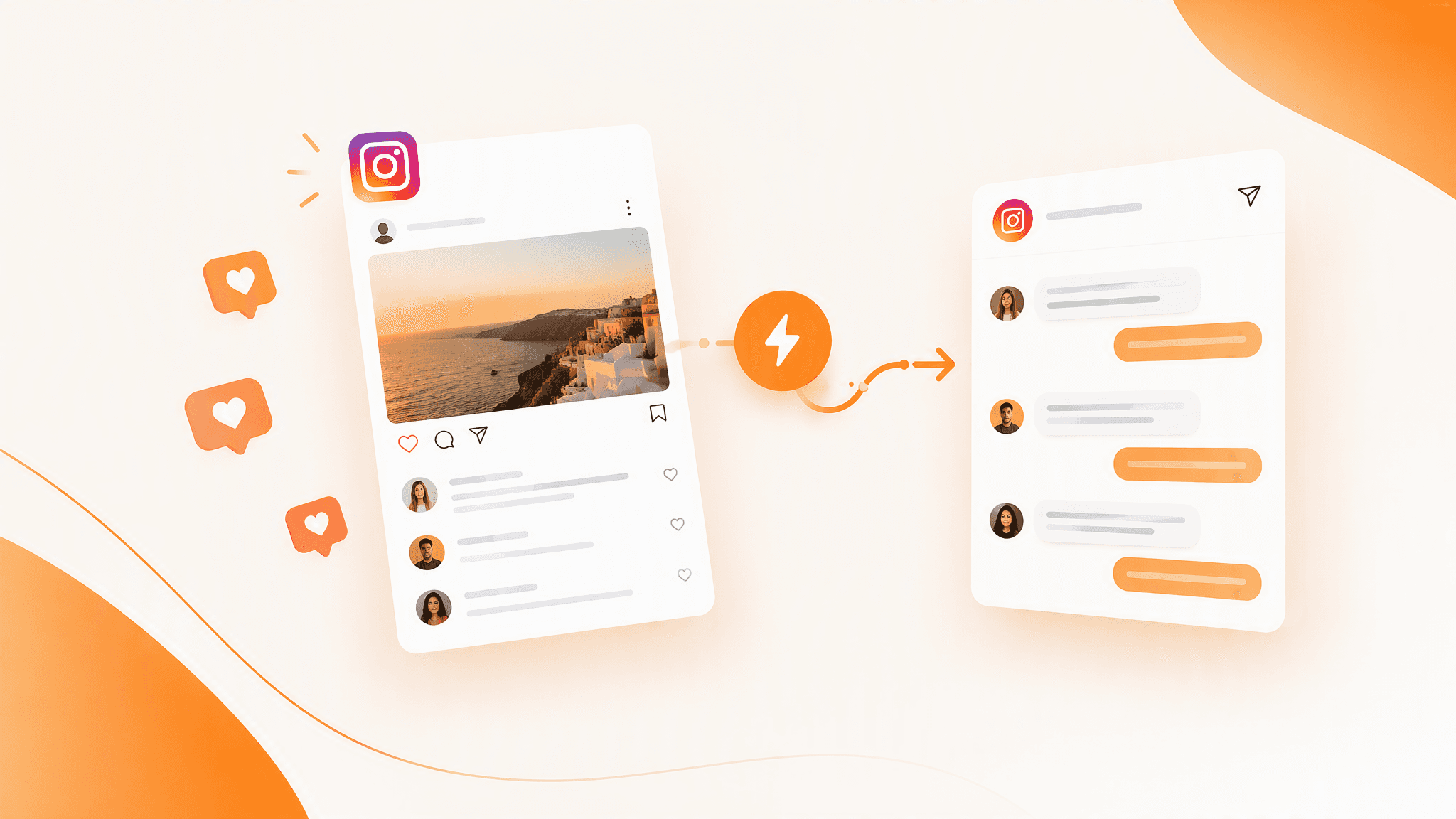
Los pacientes interactúan a través de múltiples plataformas como SMS, WhatsApp, correo electrónico y mensajes directos de Instagram. Los sistemas de recordatorios automatizados aumentan la visibilidad y la probabilidad de que los pacientes confirmen o reagenden a tiempo.
Un flujo de trabajo de recordatorios eficaz puede incluir:
Confirmación inicial inmediatamente después de reservar
Recordatorio 72 horas antes de la cita
Recordatorio 24 horas antes de la cita
Último recordatorio el mismo día de la cita
Opciones sencillas de confirmación o reagendamiento
La automatización garantiza la constancia en el proceso sin añadir trabajo extra al personal de recepción.
La clave del éxito reside en la personalización. Los sistemas de IA pueden incluir el nombre del paciente, los detalles de la cita, información del especialista e incluso un seguimiento contextual basado en interacciones previas.
Este enfoque contribuye a reducir las inasistencias mientras eleva la experiencia global del paciente.
2. Haga que reagendar sea rápido y sin complicaciones
Muchos pacientes no asisten a sus citas simplemente porque el proceso de reagendar resulta molesto o lento.
Si los pacientes tienen que llamar en horario de oficina o esperar horas para recibir respuesta, es muy probable que terminen por no presentarse. Los sistemas de programación impulsados por IA resuelven esto al permitirles reprogramar citas al instante a través de chats o plataformas de mensajería.
Por ejemplo, un paciente que recibe un SMS de recordatorio podría responder:
“Necesito pasar mi cita para el viernes por la tarde”.
Un asistente de IA puede verificar la disponibilidad automáticamente, sugerir horarios libres y confirmar la nueva cita en tiempo real.
Esto reduce la fricción operativa y ayuda a disminuir las ausencias de forma drástica.
3. Identifique pacientes con alto riesgo de inasistencia con IA
La inteligencia artificial puede analizar patrones de comportamiento para predecir qué pacientes tienen mayor probabilidad de faltar a sus citas.
Entre los factores de análisis se encuentran:
Inasistencias previas
Largos periodos entre la reserva y la fecha de la cita
Falta de respuesta a los mensajes de confirmación
Días u horarios específicos de las citas
Bajo nivel de interacción con los recordatorios
En lugar de aplicar la misma estrategia para todos, las clínicas pueden priorizar un contacto proactivo con los pacientes de alto riesgo.
Por ejemplo, la IA puede activar de manera automática:
Recordatorios adicionales
Seguimientos altamente personalizados
Contacto prioritario por parte del personal de la clínica
Facilidades de reprogramación inmediata
El engagement predictivo ayuda a los consultorios a mitigar el ausentismo antes de que ocurra.
4. Mejore la interacción con el paciente entre citas
Los pacientes que se sienten desconectados de su proveedor de salud tienden a cancelar o ignorar sus citas con más frecuencia.
Un contacto constante y valioso genera confianza e incrementa los niveles de asistencia.
Los centros médicos pueden utilizar la automatización para enviar:
Instrucciones de preparación antes de la cita
Consejos de salud y bienestar
Información de cuidados posteriores
Recordatorios sobre coberturas de seguros médicos
Mensajes de seguimiento personalizados
Las herramientas de comunicación impulsadas por IA permiten mantener una conversación continua sin sobrecargar al equipo de trabajo.
Esto resulta especialmente valioso en clínicas dentales, centros de medicina estética, consultas de salud mental y centros de bienestar, donde la fidelización a largo plazo influye directamente en la retención.
5. Apueste por la IA conversacional en lugar de los chatbots estáticos
Los chatbots tradicionales suelen frustrar a los usuarios debido a que se limitan a flujos rígidos y respuestas preestablecidas.
La IA conversacional moderna funciona de manera distinta: comprende la intención del usuario, responde con total naturalidad y guía al paciente hacia la acción idónea.
En lugar de navegar por complejos menús de opciones, el paciente puede escribir con total libertad:
“¿Puedo cambiar la hora de mi cita?”
“¿Aceptan mi seguro médico?”
“Es posible que hoy llegue un poco tarde”.
“¿Podrían devolverme la llamada?”
La IA interpreta el mensaje y ofrece la solución adecuada de forma instantánea.
Esto crea una experiencia fluida que invita al paciente a interactuar en lugar de abandonar la conversación.
6. Realice un seguimiento inmediato tras una inasistencia
Cuando se produce una ausencia, la rapidez en la respuesta es fundamental.
Las consultas que tardan días en contactar al paciente suelen perder la oportunidad de reagendar la cita. La automatización con IA permite reaccionar de inmediato tras una inasistencia.
Por ejemplo, se puede activar:
Un SMS preguntando si desea reprogramar la cita
Un seguimiento automático vía WhatsApp
Un mensaje personalizado que muestre las horas disponibles
Propuestas de nuevas citas generadas por IA
La rapidez en el seguimiento optimiza la tasa de recuperación de pacientes y previene la pérdida de clientes a largo plazo.
Cómo Dealism y su función integrada "ChatGPT for sales" ayudan a reducir el ausentismo
Dealism.ai ayuda a los centros de salud a transformar las conversaciones en resultados mediante la automatización de la comunicación impulsada por IA.
A diferencia de los chatbots tradicionales o los constructores de flujos de CRM, Dealism se enfoca en la ejecución conversacional. Su plataforma ayuda a las clínicas a gestionar la comunicación en canales como WhatsApp, Instagram y web chat, automatizando el seguimiento, los recordatorios, la cualificación y el agendamiento de citas.
Una de las innovaciones más destacadas de la plataforma es la función integrada "ChatGPT for sales" de Dealism, diseñada para que las empresas gestionen agentes de ventas y comunicación con IA mediante conversaciones naturales, eliminando la necesidad de configurar flujos de trabajo complejos.
Con la función integrada "ChatGPT for sales" de Dealism, los equipos de salud pueden:
Realizar seguimientos automáticos a los pacientes
Enviar recordatorios de citas totalmente personalizados
Gestionar solicitudes de reprogramación en tiempo real
Detectar pacientes con un perfil de alto riesgo de inasistencia
Centralizar conversaciones de múltiples canales de mensajería
Aligerar la carga de trabajo en recepción gracias a la automatización con IA
La puesta en marcha es sumamente sencilla. Las clínicas solo deben cargar sus materiales de consulta, vincular sus canales de comunicación y dirigir a los agentes de IA mediante instrucciones conversacionales sencillas, sin necesidad de construir manualmente complejos diagramas de flujo.
Esto facilita la adopción de la inteligencia artificial en clínicas medianas y pequeñas sin requerir de un equipo técnico especializado.
Hacia un sistema de citas mucho más eficiente
Reducir el ausentismo de los pacientes ya no se limita a enviar un simple mensaje de texto recordatorio. Los usuarios de hoy exigen respuestas rápidas, canales de comunicación flexibles y una experiencia de agendamiento ágil.
La IA y la automatización permiten a los profesionales de la salud estructurar un sistema mucho más dinámico que mantiene al paciente conectado antes, durante y después de su cita.
Las clínicas que apuestan por la IA conversacional, recordatorios automatizados, engagement predictivo y herramientas de programación en tiempo real logran disminuir significativamente las inasistencias, optimizando tanto su eficiencia operativa como el nivel de satisfacción de sus pacientes.
En un entorno donde la comunicación digital no deja de evolucionar, las plataformas de interacción basadas en IA pasarán de ser un recurso tecnológico opcional a consolidarse como un pilar fundamental en la gestión de la salud moderna.