Published
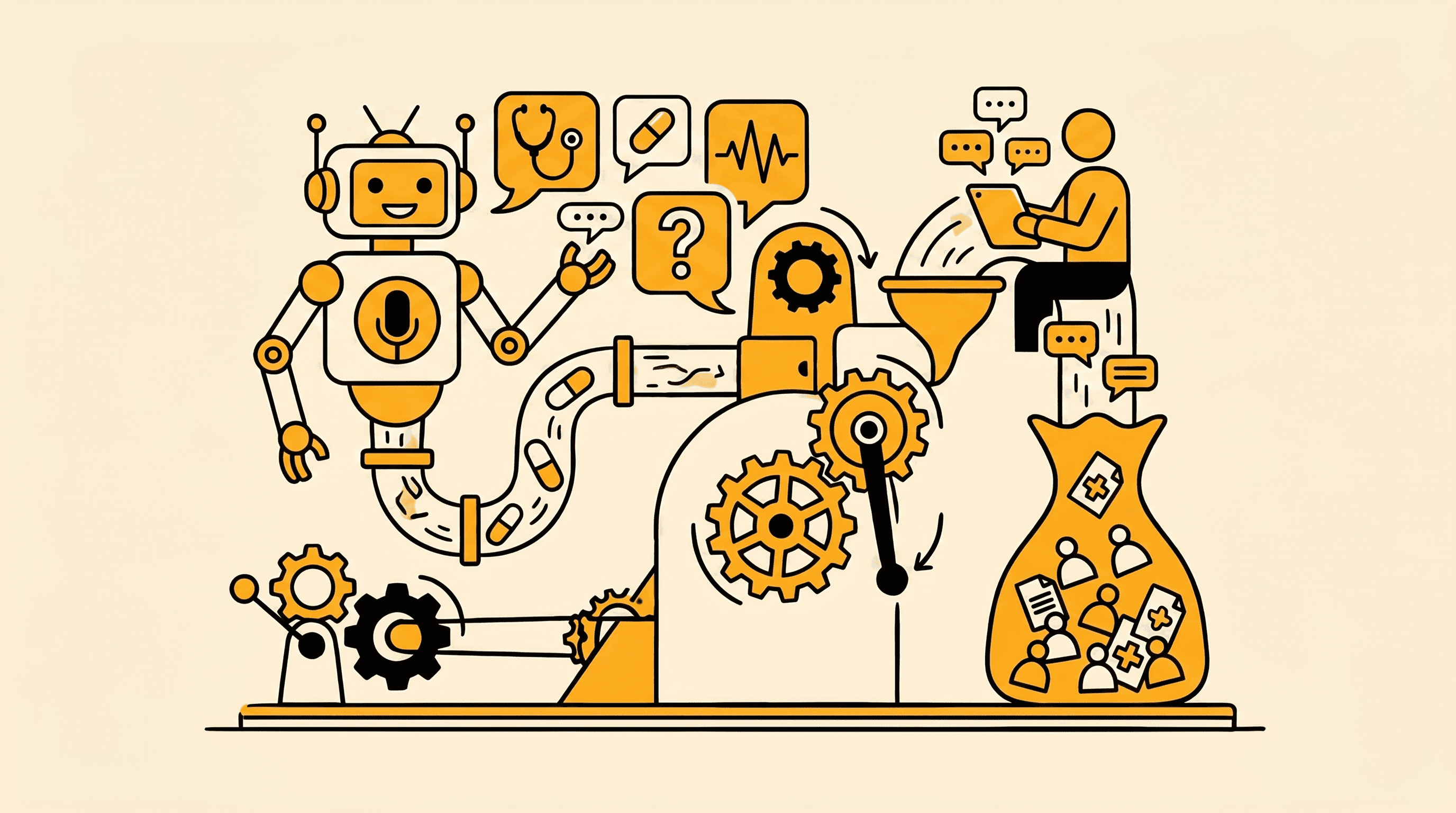
Healthcare clinics today face growing pressure to respond faster, manage increasing patient inquiries, and maintain high quality communication across multiple channels. Patients expect the same level of convenience from healthcare providers that they experience with modern digital services in retail, banking, and hospitality.
At the same time, clinic staff are often overwhelmed with repetitive tasks such as appointment confirmations, insurance questions, intake forms, and follow up reminders. This is why conversational healthcare bots are becoming an important part of modern healthcare communication strategies.
Why Conversational AI Is Becoming Essential for Healthcare Clinics
Healthcare clinics today face growing pressure to respond quickly to patient inquiries while managing increasing administrative workloads. Patients increasingly expect fast and convenient digital communication similar to what they experience in retail, banking, and other online services. As a result, conversational healthcare bots are becoming an important part of modern patient engagement strategies.
Conversational AI in healthcare refers to AI powered systems that communicate with patients through websites, messaging apps, SMS, and social platforms. Unlike traditional rule based bots, modern AI systems can understand patient intent, respond contextually, and guide patients through conversations more naturally.
Healthcare providers are using chatbot technology in healthcare environments for tasks such as:
Appointment scheduling
Patient intake support
Billing and insurance questions
Follow up reminders
FAQ automation
After hours patient communication
At the same time, clinics are dealing with communication overload caused by growing inquiry volumes and limited staff resources. Traditional communication methods such as phone calls and email often create delays and inconsistent follow up experiences.
This is why many providers are adopting chatbots healthcare solutions to improve operational efficiency while maintaining responsive patient communication. AI chatbots can instantly answer common questions, automate repetitive workflows, reduce front desk workload, and help patients receive faster support. For clinics, this creates a more scalable communication system while allowing staff to focus on higher value patient care tasks.
Top AI Chatbots for Healthcare Clinics
Below are some of the leading chatbot solutions for healthcare clinics looking to automate patient communication.
1. Hyro
Hyro specializes in conversational AI for healthcare organizations. Its platform helps clinics automate patient communication across websites, voice systems, SMS, and mobile apps.
Key features include:
Appointment scheduling automation
Voice and chat AI support
Healthcare specific conversational flows
EHR integration support
Patient self service workflows
Hyro is commonly used by hospitals and larger healthcare systems that need scalable patient communication infrastructure.
2. Ada Health
Ada Health is known for AI driven patient interaction and symptom assessment technology. The platform focuses heavily on helping patients navigate healthcare questions before connecting with providers.
Key strengths include:
AI symptom assessment
Patient triage support
Conversational guidance
Multilingual patient interaction
This type of chatbot technology in healthcare can help reduce unnecessary administrative conversations while improving patient direction.
3. Drift
Drift is widely used for conversational engagement and can also support healthcare clinics focused on lead generation and patient inquiries.
Healthcare clinics use Drift for:
Website chat automation
Patient inquiry routing
Lead capture
Scheduling assistance
Marketing communication workflows
Drift is particularly useful for cosmetic clinics, dental practices, and private healthcare providers focused on patient acquisition.
4. Intercom
Intercom offers customer communication tools that many healthcare businesses adapt for patient engagement and support.
Features include:
AI powered chat support
Automated workflows
Help center integration
Multi channel messaging
Conversation escalation to human staff
Intercom works well for healthcare companies that want both operational support and patient communication management in one platform.
5. Sensely
Sensely focuses specifically on virtual healthcare assistants and patient engagement automation.
The platform supports:
Virtual patient assistance
Remote patient communication
Care navigation
Symptom checking
Chronic care engagement
Sensely is designed for healthcare environments that prioritize ongoing patient interaction and digital care experiences.
What to Look for in a Healthcare AI Chatbot
Not all conversational healthcare bots are built for the same operational needs. Clinics should evaluate platforms based on both communication capabilities and healthcare specific workflows.
Important considerations include:
HIPAA Conscious Communication
Healthcare providers should prioritize platforms that support secure workflows and patient privacy standards.
Human and AI Collaboration
The best chatbot solution for healthcare environments allows staff to step into conversations when needed instead of fully replacing human communication.
Multi Channel Messaging
Patients increasingly communicate through websites, SMS, WhatsApp, Instagram, and online forms. Clinics benefit from platforms that centralize communication across channels.
Smart Qualification and Routing
AI systems should not only answer questions but also identify urgency, patient intent, and next steps automatically.
How Dealism Supports Modern Healthcare Communication
Dealism approaches conversational AI differently from traditional chatbot builders. Instead of focusing only on scripted automation, Dealism positions itself as an AI powered sales and communication agent platform that helps businesses turn conversations into operational workflows.
For healthcare clinics, this approach is especially valuable because patient communication often involves nuance, urgency, qualification, and follow up rather than simple FAQ responses.
Some healthcare relevant Dealism features include:
AI Powered Conversation Management
Dealism helps clinics manage large volumes of patient inquiries across channels while maintaining responsive communication experiences.
Intelligent Lead and Patient Qualification
The platform can help identify patient intent, categorize inquiries, and guide conversations before human staff intervene.
Cross Platform Communication
Dealism supports messaging workflows across channels such as WhatsApp and Instagram, which is increasingly important for modern healthcare marketing and patient engagement.
AI Follow Up Automation
Many clinics lose potential appointments because inquiries are not followed up consistently. Dealism helps automate follow ups while keeping conversations personalized.
Human Plus AI Workflow Design
Rather than replacing staff completely, Dealism supports hybrid workflows where AI handles repetitive communication and humans manage sensitive or complex interactions.
In addition, Dealism’s AI Sales Director concept aligns well with healthcare clinics that want to scale communication without constantly expanding administrative teams.
The company also introduced DealOnca, an AI sales and engagement solution designed to help businesses manage multiple AI agents, automate conversational workflows, and improve response efficiency across messaging channels. For healthcare clinics handling large inquiry volumes, this model can help create faster and more organized patient communication systems.
Building a More Responsive Patient Communication Experience
Healthcare clinics are entering a new era where fast, conversational, and accessible communication is becoming a competitive advantage. Patients increasingly expect quick responses, convenient scheduling, and seamless digital interactions.
By implementing conversational healthcare bots, clinics can reduce administrative pressure, improve patient satisfaction, and create more scalable communication systems. The key is choosing a platform that balances automation with human support while fitting naturally into healthcare workflows.
As chatbot technology in healthcare continues evolving, clinics that adopt AI powered communication tools early will be better positioned to improve operational efficiency and patient engagement at the same time.