
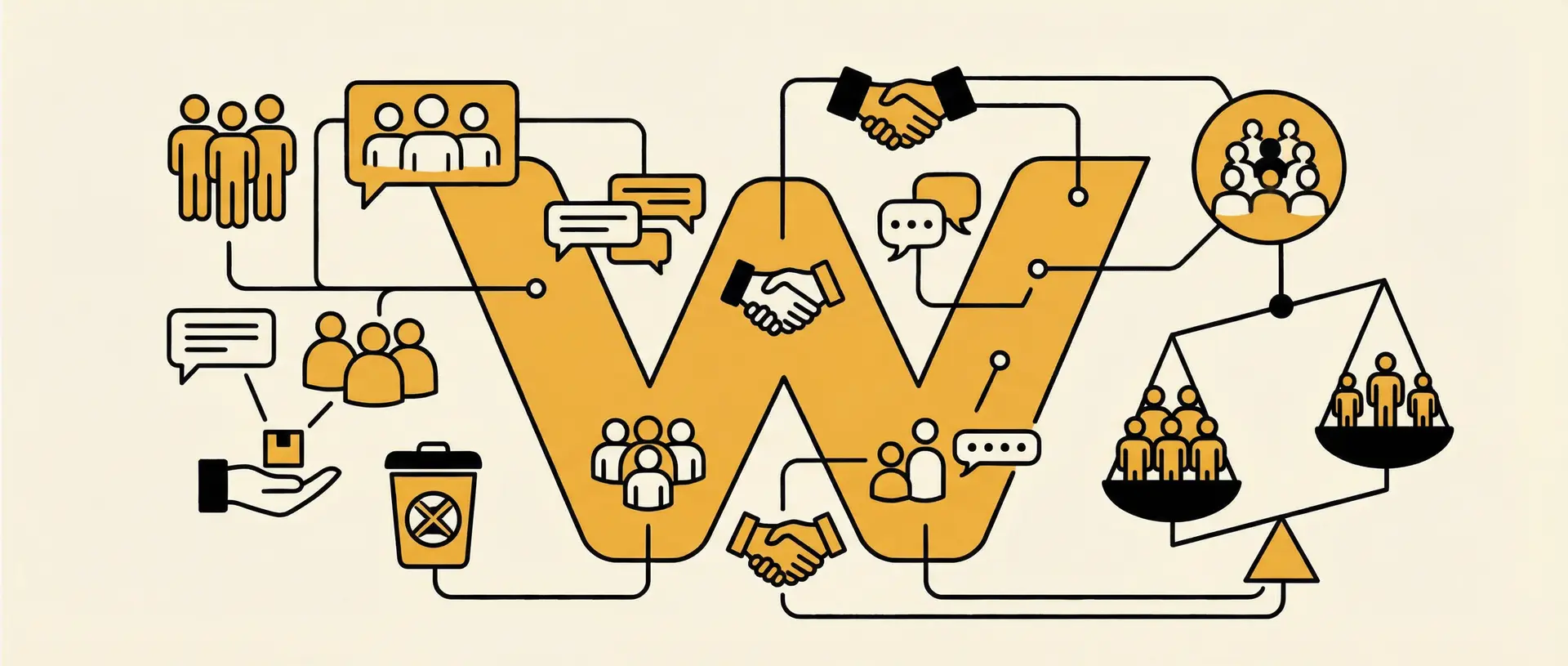
In 2026, WhatsApp Communities are essential for businesses aiming for scalable, structured communication. Unlike normal group chats, communities can organize multiple related groups under one umbrella. This enables seamless client management, team coordination, and integrated marketing workflows. Businesses of all sizes can transform casual chats into actionable outcomes.
This guide explores WhatsApp Communities from all angles: differences with regular groups, step-by-step creation, deletion, and blocking procedures. It also covers best practices for engagement and control. Tools like Dealism.ai are highlighted for automating follow-ups, maintaining context, and handling sensitive users intelligently. By the end, readers will have a complete roadmap for thriving communities.
What Are WhatsApp Communities
WhatsApp Communities allow businesses to manage multiple groups under a single structure, centralizing communication and streamlining workflows. They reduce message chaos, improve client follow-ups, and ensure that internal teams and customer-facing groups operate in sync. This makes Communities an effective tool for sales teams, service providers, and businesses that need consistent engagement and operational efficiency.
Core Features for Business Use:
Group Aggregation: Organize multiple sub-groups for clients, sales teams, or departments under one community for easier oversight.
Centralized Announcements: Broadcast promotions, updates, or policy changes to all relevant groups simultaneously.
Member Management: Assign roles, permissions, and access to ensure team members and clients see the right information at the right time.
Structured Communication: Maintain a clear conversation flow, preventing missed leads or internal miscommunication.
Business Value
WhatsApp Communities help businesses centralize client communication, manage multiple teams, and maintain clear, context-rich conversations. Sales leads and customer inquiries can be tracked across sub-groups, reducing missed opportunities and improving follow-ups. Marketing updates, promotions, and announcements reach the right audience instantly, boosting engagement and driving measurable business results.
To further enhance efficiency, intelligent tools can assist in automating routine follow-ups, prioritizing high-value leads, and guiding customers through the sales funnel.Tools like Dealism.ai enable businesses to turn everyday interactions into bookings, purchases, or upsells—making community engagement a direct driver of revenue and operational efficiency.
WhatsApp Community vs Groups
WhatsApp Communities and Groups are two ways to organize conversations on the platform, but they serve very different purposes. While Groups are ideal for small teams or focused discussions, Communities provide a larger, structured environment that can manage multiple related groups under one umbrella. Understanding the differences between them is crucial for businesses looking to scale communication and engagement effectively.
Feature / Aspect | WhatsApp Community | WhatsApp Group |
Structure | Multiple groups under one community | Single group only |
Admin Controls | Centralized admin panel, announcement groups | Limited admin privileges |
Member Limit | Larger scale, supports multiple groups | Smaller, single group limit |
Advantages | Scalable, centralized, supports automation, better for large organizations | Simple, flexible, easy to set up, good for small teams |
Disadvantages | Requires management, more complex, needs tools for automation | Limited structure, not ideal for large-scale coordination |
Best Suited For | Businesses, multi-department teams, educational institutions, large communities | Small teams, project groups, niche discussions |
Use Cases | Enterprise announcements, client engagement, cross-team communication | Small projects, hobby groups, temporary teams |
In short, Communities are designed for scalability, structured management, and multi-group coordination, making them ideal for businesses and large organizations. Groups, on the other hand, are simpler, flexible, and better suited for small teams or focused discussions. Choosing the right format depends on your goals, audience size, and the level of control you need.
WhatsApp Communities Operations: Creation, Deletion & Blocking
Managing WhatsApp Communities effectively is crucial for businesses to maintain organization, engagement, and smooth communication. From creating new communities to controlling membership, each operation affects workflow and user experience. With the right approach, including intelligent tools like Dealism.ai, these tasks can be streamlined efficiently. It acts like a smart colleague, understanding context, clarifying user needs, and pushing next steps naturally. Proper management ensures conversations turn into real business actions.
How to create a community on WhatsApp
Prepare: Define purpose, target audience, and initial groups.
Create: Use WhatsApp Business to create the community, add groups, and assign admins.
Optimize: Set permissions, configure announcements, and maintain engagement.
How to delete a community on WhatsApp
Admins: Follow WhatsApp deletion steps and notify members.
Members: Exit the community, manage notifications, and prevent re-additions.
How to block a community on WhatsApp
Members: Exit or mute notifications.
Admins: Block or report disruptive individuals to maintain privacy and security.
Best Practices:WhatsApp community for business
Running a WhatsApp Community for business goes beyond simply creating groups. Success depends on maintaining engagement, guiding conversations toward outcomes, and converting interactions into measurable business results. Many small and medium enterprises struggle with missed opportunities, delayed responses, and low conversion rates when relying on manual management. Leveraging intelligent tools like Dealism.ai allows businesses to automate key processes while keeping interactions natural and personalized, ensuring every message contributes to sales or operational goals.
Personalized Interaction for Better Conversions
To turn conversations into sales, messages must feel relevant and timely. Generic responses risk losing potential leads or frustrating customers. Dealism.ai helps businesses:
Adapt replies based on customer history, preferences, and past inquiries, ensuring each interaction is relevant.
Adjust tone and style to match the customer, creating trust and reducing friction in the sales process.
Deliver personalized recommendations or next steps, guiding customers from inquiry to action.
Frequency & Timing Control for Optimal Engagement
Even strong messaging can fail if delivered at inconvenient times or too frequently. Over-communication may annoy potential clients, while delayed responses risk losing interest. Dealism.ai optimizes timing by:
Sending messages when customers are most responsive, increasing open rates.
Controlling message frequency to avoid fatigue, keeping the community attentive.
Triggering automated follow-ups strategically, nudging leads toward purchases or bookings without overwhelming them.
Real-Time Monitoring & Dynamic Optimization
A business-focused community requires constant oversight to ensure leads and customer requests are not lost. Real-time tracking allows teams to spot gaps and act quickly. Dealism.ai provides:
Continuous monitoring of member activity, response patterns, and interaction funnels, identifying high-value leads.
Dynamic adjustment of conversation strategies based on customer behavior, increasing efficiency.
Intelligent prioritization, making sure critical inquiries or opportunities are handled first.
Core Philosophy: Conversations as Business Processes
A community isn’t just a channel for messages—it’s a live business engine. The real challenge isn’t staffing, it’s making smart decisions quickly and consistently. Dealism.ai enables businesses to:
Treat chat as a structured business process, not just casual conversation.
Automate judgment and follow-up while keeping interactions human-like and persuasive.
Focus on results and conversions, rather than micromanaging every response.
By combining intelligent automation with human-like judgment, businesses can turn every conversation in WhatsApp Communities into actionable results, enhancing lead conversion, customer retention, and operational efficiency.
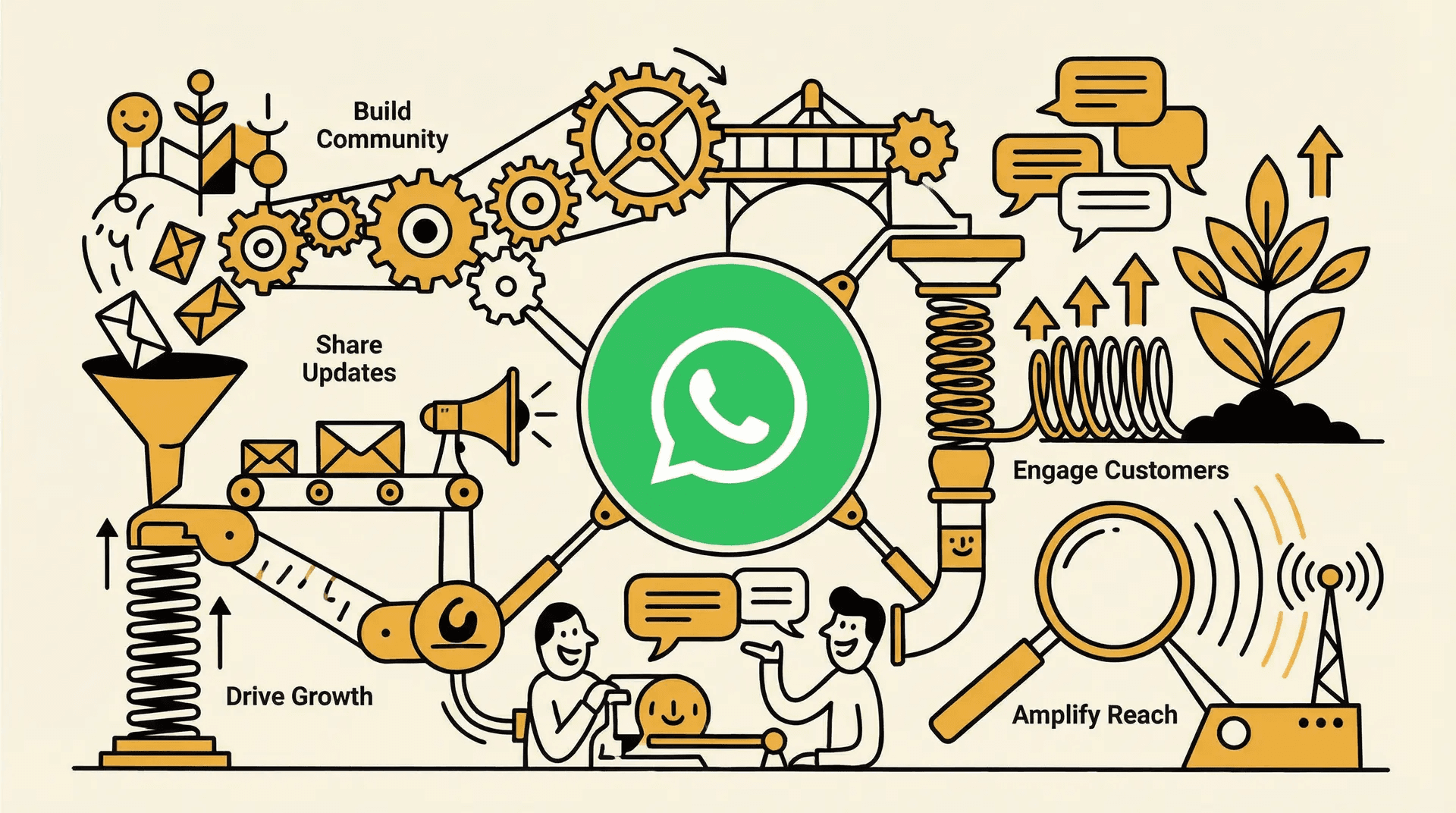
FAQ: WhatsApp Communities
Q1: What are common challenges in managing a community?
Admins often face limited permissions, member conflicts, and message overload. Planning ahead and using AI-assisted tools can help moderate discussions, streamline workflows, and maintain order in busy communities.
Q2: How can I increase engagement in my community?
Engagement improves with announcements, polls, and interactive activities. Regular initiatives encourage members to participate, stay active, and feel connected to the community.
Q3: How can I stay updated on WhatsApp Communities features?
Keep track of the latest app updates, feature releases, and upcoming improvements. Staying informed ensures you can leverage new tools and optimize community management effectively.
Conclusion:
WhatsApp Communities in 2026 provide businesses with a structured, scalable, and automated solution for managing large user groups. Combined with Dealism.ai, communities operate autonomously, handle sensitive users intelligently, and maintain high engagement. By following best practices and understanding the differences between communities and groups, businesses can fully unlock WhatsApp’s potential as a communication, engagement, and sales tool.