Best Online Marketing Tools for Small Businesses in 2026
Small businesses today must attract customers, manage marketing campaigns, and respond to inquiries—all while handling daily operations. The best online marketing tools for small businesses simplify these tasks by automating workflows, improving efficiency, and providing actionable insights. From SEO and content creation platforms to AI-powered automation and conversational marketing systems, the right tools help small teams compete with larger companies without requiring large teams or budgets.
This guide highlights the most important online marketing tools for small businesses, how they support customer acquisition, engagement, and retention, and which solutions are most suitable in 2026.
Organic Growth Tools: Traffic, SEO & Content
SEO Research & Audit Tools
SEO tools help small businesses attract organic traffic by identifying high-value keywords, analyzing competitors, and monitoring website performance. The online marketing platform for small businesses like Ahrefs, SEMrush, and Moz provide actionable insights to improve search rankings and visibility.
AI Content Assistance & Optimization Tools
AI-powered writing tools streamline content creation, allowing businesses to generate blog posts, landing page copy, and product descriptions quickly. Tools such as Jasper and Writesonic also optimize readability and SEO, helping small teams maintain a consistent publishing schedule.
Blogging & Long‑Form Content Platforms
Platforms like WordPress and Ghost enable businesses to create authoritative blogs, capture leads, and increase organic traffic. Integrating these tools with analytics provides insight into what content drives engagement and conversions.
Paid Growth Tools: Advertising & Lead Generation
Search Ads Platforms
Google Ads and Bing Ads allow businesses to target high-intent audiences with keyword-driven campaigns. These platforms provide robust reporting to measure ROI and optimize ad spend.
Native Ads & Alternative Networks
Platforms like Taboola and Outbrain allow small businesses to reach niche audiences through sponsored content on blogs, apps, and news sites.
Retargeting & Audience Tools
Retargeting tools like AdRoll help recover lost visitors and convert them into paying customers by showing targeted ads based on previous interactions.
AI-Assisted Creative & Campaign Testing
AI tools can automate A/B testing for ad creatives, messaging, and audience segments. This reduces time spent on manual optimization while improving campaign performance.
Social & Engagement Tools
Social Posting & Scheduling Platforms
Tools like Buffer and Hootsuite help businesses plan and automate social media content across multiple channels, maintaining a consistent presence without constant manual management.
Community & Interaction Tools
Platforms such as Slack, Discord, or Facebook Groups enable engagement in communities and forums, facilitating direct communication with followers.
Influencer Outreach & UGC Automation
Tools like Upfluence and Later allow businesses to identify influencers, schedule campaigns, and leverage user-generated content for social proof and reach.
Social & Messaging Engagement Tools
Small businesses can streamline social and messaging interactions with AI-powered automation. These tools manage inquiries from Instagram, WhatsApp, and website chat, ensuring timely responses, nurturing leads, and guiding customers toward bookings or purchases. Automation frees small teams to stay responsive while focusing on strategy and customer relationships without extra staff.
Conversion & Customer Experience Tools
Landing Page & Funnel Builders
Tools like ClickFunnels and Leadpages allow small businesses to create optimized landing pages and sales funnels, improving lead capture and conversion rates.
Email Automation & CRM Workflows
Platforms such as Mailchimp, ActiveCampaign, and HubSpot streamline email marketing and CRM management. Automated campaigns, segmentation, and analytics help small teams nurture leads effectively.
Dealism — Smarter AI Conversational Marketing for Small Businesses
Best for:
Small businesses, local service providers, and digital creators who manage high volumes of customer inquiries via WhatsApp, Instagram DMs, and website chat.
What Dealism Does:
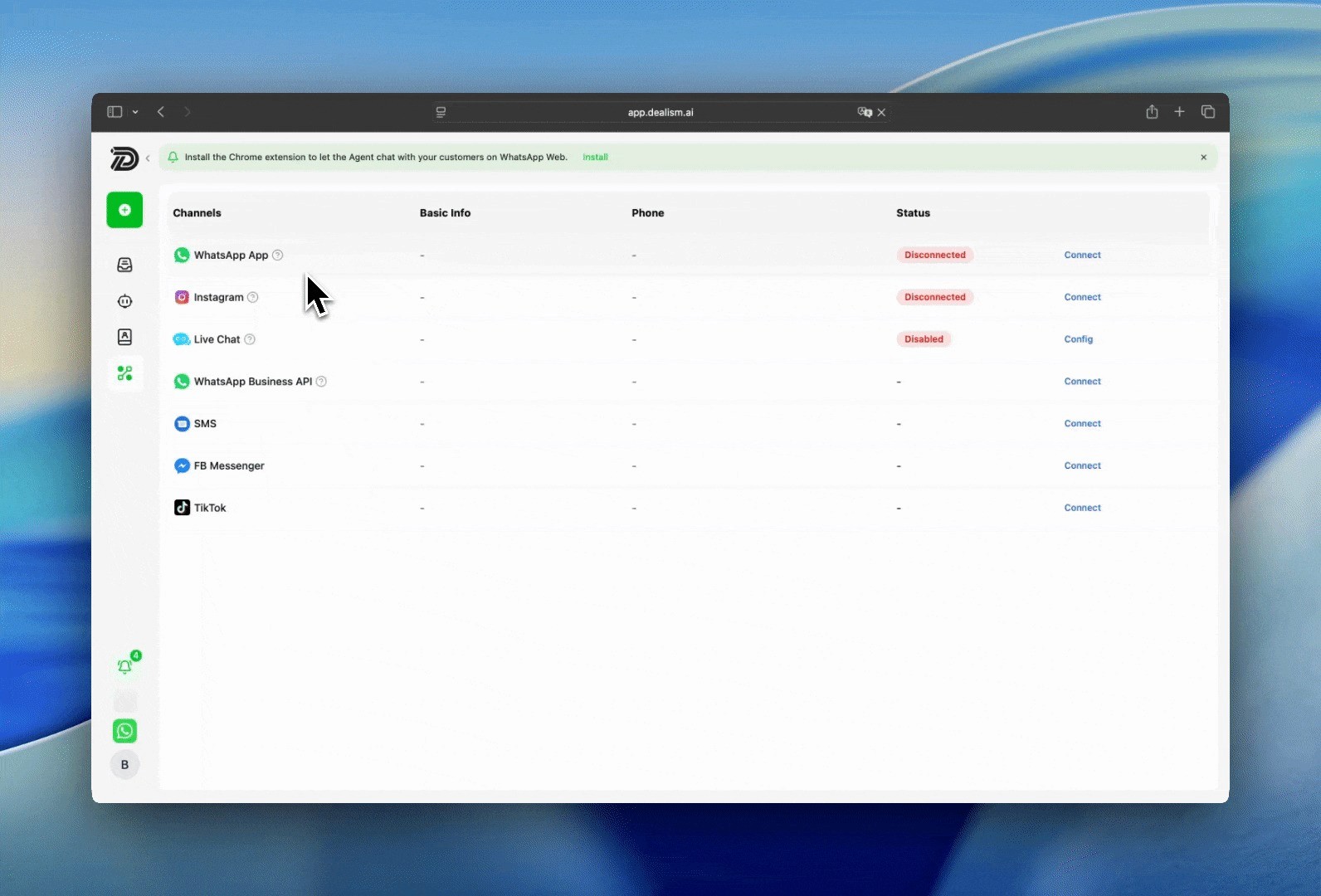
Dealism is an AI-powered conversational marketing and sales agent that transforms everyday chats into structured business actions. Unlike standard auto-reply tools or CRMs, Dealism doesn’t just respond—it understands customer intent, qualifies leads, and guides conversations toward real outcomes. By consolidating messages across multiple platforms, it reduces manual workload, speeds up response times, and keeps customer interactions organized.
Key Benefits for Small Businesses:
Instant Customer Support: Automatically reply to common inquiries, ensuring every prospect receives timely attention.
Lead Prioritization: Detect high-intent customers so teams focus on opportunities that matter most.
Sales & Booking Guidance: Guide users naturally through purchases, bookings, or service selection.
Customer History & Insights: Keep track of past conversations to improve follow-ups campaigns.
Why It Matters:
Small teams often struggle to respond to every message promptly. Dealism acts as an AI sales agent, enabling fast, personalized engagement without increasing headcount. It combines WhatsApp automation, conversational intelligence, and multi-channel coordination to create a seamless, trackable customer journey.
By automating not just responses but intelligent follow-ups and lead management, Dealism helps small businesses increase conversions, save time, and turn every conversation into a potential sale.
Explore Dealism’s official guide to learn how AI conversational agents can help your business respond faster, qualify leads, and drive revenue—without relying on complex CRM systems or extra staff.
Analytics & Optimization Tools
Website Analytics Ecosystems
Google Analytics, Matomo, and similar platforms track website traffic, visitor behavior, and conversions to inform marketing decisions.
A/B Testing & CRO Analytics
Tools like Optimizely and VWO allow small businesses to test landing pages, messaging, and call-to-action buttons, improving conversion rates.
Customer Behavior Tracking
Heatmaps, session recordings, and event tracking help businesses understand how visitors interact with websites, enabling better optimization of content and design.
Building a Winning Online Marketing Stack
Tool Category | Business Type | ROI Impact |
SEO Tools | All small businesses | High |
AI Content Tools | Solo founders, ecommerce | Medium |
Social Scheduling | Local services, brands | Medium |
CRM & Email | Service businesses | High |
This table helps small business owners prioritize tools based on business type and expected ROI.
Tool Selection Framework for Small Businesses
Identify Top-Priority Marketing Goals
Choose tools that directly impact lead generation, customer engagement, and retention.
Compare Feature ROI vs Cost
Evaluate whether each platform justifies its investment and supports long-term growth.
Integration & Data Continuity Checklist
Ensure all tools integrate seamlessly to maintain smooth workflows and prevent data silos.
Quick Starter Plans for Different Business Types
Local Services
Focus on CRM, email automation, and social scheduling to manage client interactions efficiently and maintain timely follow-ups.
Ecommerce
Prioritize SEO, paid advertising, AI content generation, and email automation to support customers and guide them through orders.
Solo Founders / Consultants
Leverage AI content tools, landing pages, and email campaigns to maximize marketing impact while managing limited time and resources.
Shortcuts & Common Mistakes to Avoid
Tool Overload
Prioritize essential tools; avoid adopting too many platforms at once.
Ignoring Integration
Choose tools that work together to maintain efficient workflows.
Not Tracking ROI
Regularly measure results to identify which tools deliver true business value.
Conclusion
Build an integrated marketing stack using the best small business marketing tools, combining SEO, content creation, social media management, CRM, and AI-powered conversational platforms like Dealism. With this setup, small businesses can scale outreach, manage customer interactions efficiently, and convert more leads while remaining competitive in 2026.
Further Reading
If you enjoyed our article, you should check out the following:
WhatsApp Marketing Best Practices: A Complete Strategy Guide to Boost Engagement & Sales
How to Get Started With Instagram DM automation 2026