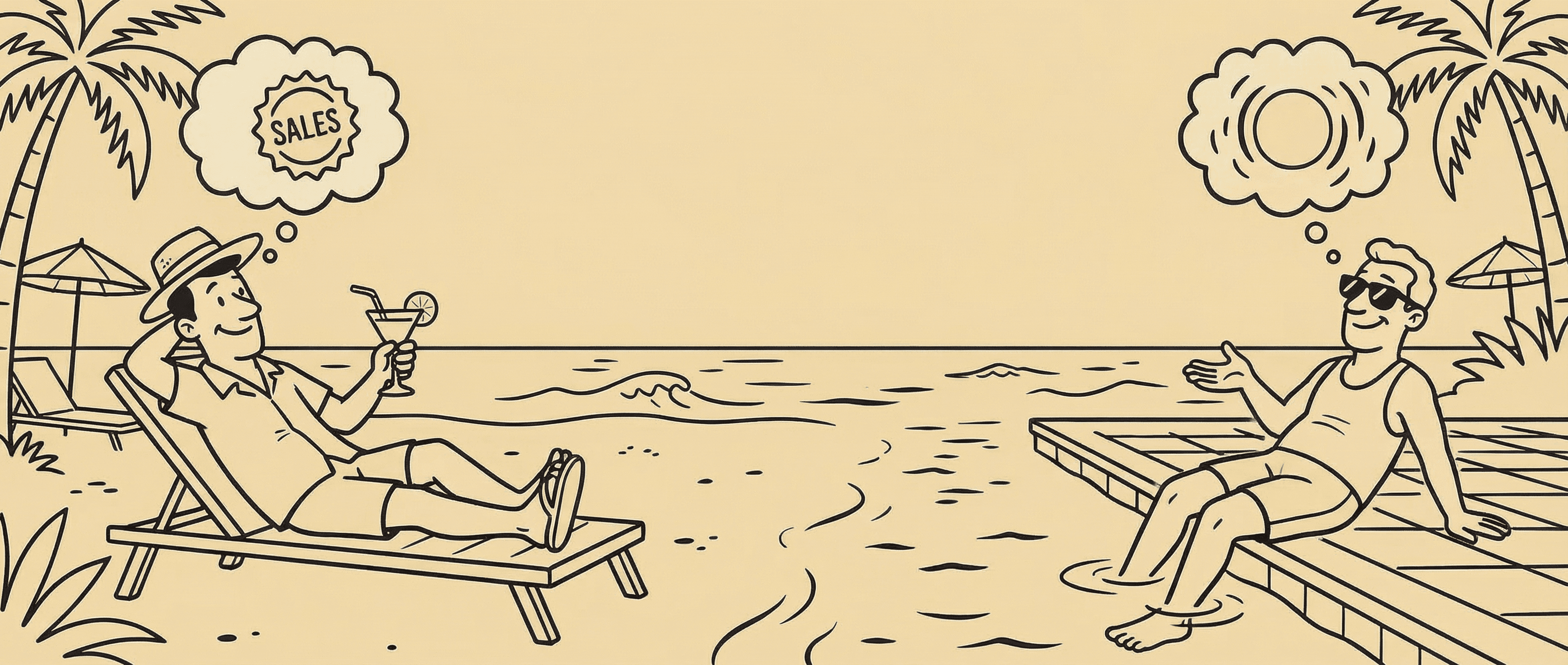
At Dealism, we don’t see “sales” as a clearly defined identity. It’s not a job title, and it’s not a skill reserved for people whose role is literally called “sales.” Sales is better understood as a state. Whenever you are explaining something, clarifying uncertainty, easing concerns, or helping someone make a decision, you are already in a sales state.
Almost everyone enters this state, repeatedly, often without realizing it. A doctor explaining why a particular treatment makes sense for a patient. A designer walking a client through the logic behind a proposal and its pricing. A content creator replying to a DM asking whether a course is actually a good fit. A founder trying to help someone understand why what they’re building is worth trusting. In none of these moments do people say, “I’m selling,” but fundamentally, they are all helping someone complete a decision.
Because sales is a state rather than a role, it quietly consumes attention and energy. And this becomes even more pronounced once sales moves into chat.
What Is Vibe Selling
Sales is not about pushing; it’s about accompanying decisions
Vibe Selling is not a new script, a clever set of tactics, or a more complicated automation flow. It starts from a different question altogether: what does the decision-making process actually look like from a human perspective?
In Vibe Selling, sales is not about forcing progress or accelerating conversion at all costs. It’s about accompanying someone as they work toward a decision. What matters is not how much you say, but whether you truly understand why the other person hesitates, pauses, or stops moving forward. When that understanding exists, progression happens naturally.
Why Vibe Selling Is Necessary
When sales moves into chat, traditional approaches break down
As more sales conversations shift to WhatsApp, Instagram, and website live chat, the nature of decision-making changes. People don’t arrive with a clear intent to buy. They arrive to explore, to test, and to reduce uncertainty. A message like “How much does this usually cost?” is often not a pricing question, but a way to decide whether the conversation itself is worth continuing. “Is this suitable for someone like me?” is rarely a request for specifications; it’s a risk assessment.
In these environments, traditional sales scripts and rule-based automation start to fail. Responses may become faster, but understanding doesn’t improve. The result is often mismatched pacing and conversations that quietly drop off.
What really blocks conversion is resistance
In real sales conversations, deals rarely stall because of missing information. They stall because of internal resistance. Some people get stuck on price. Others delay decisions indefinitely. Others are highly sensitive to risk and uncertainty. These forms of resistance are seldom stated explicitly, but they determine whether a conversation can move forward at all.
The value of Vibe Selling lies in recognizing these forms of resistance and responding in a way that aligns with how people actually make decisions, rather than mechanically pushing the next step.
How Dealism Implements Vibe Selling
For users, sales no longer requires constant attention
For users of Dealism, the biggest shift Vibe Selling brings is not smarter replies, but freedom from staying in a continuous sales state.
With Dealism, you don’t need to watch every conversation or decide how each message should be answered. You simply upload your materials, product information, and goals. From there, Dealism’s agent takes over the entire conversation, engaging with prospects, understanding their questions, and guiding them through the decision process.
Conversations are understood through resistance, not rigid flows
As conversations unfold, the agent interprets them through the lens of real sales experience rather than predefined workflows. It focuses on three core types of resistance: price resistance, delay resistance, and risk resistance.
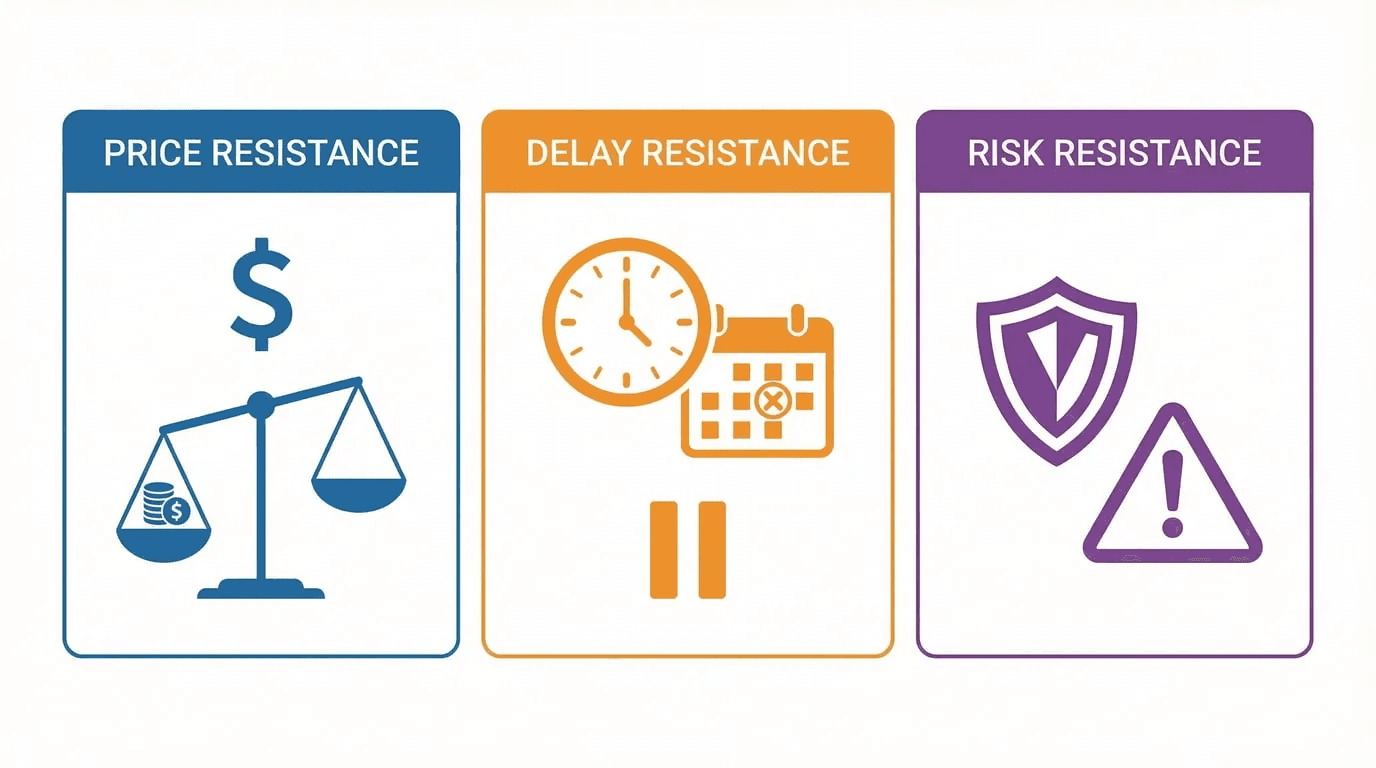
When a user keeps circling back to price, the agent doesn’t rush to close or offer discounts. Instead, it helps reframe the relationship between price and outcome. When someone keeps postponing a decision, the agent evaluates whether key information is missing or whether the underlying motivation simply hasn’t formed yet. In risk-sensitive scenarios, the agent deliberately slows the pace, explaining uncertainty carefully instead of creating false confidence.
This is why the interaction feels less like a system executing steps and more like an experienced salesperson thinking alongside the customer.
Human in the Loop: knowing when a person should step in
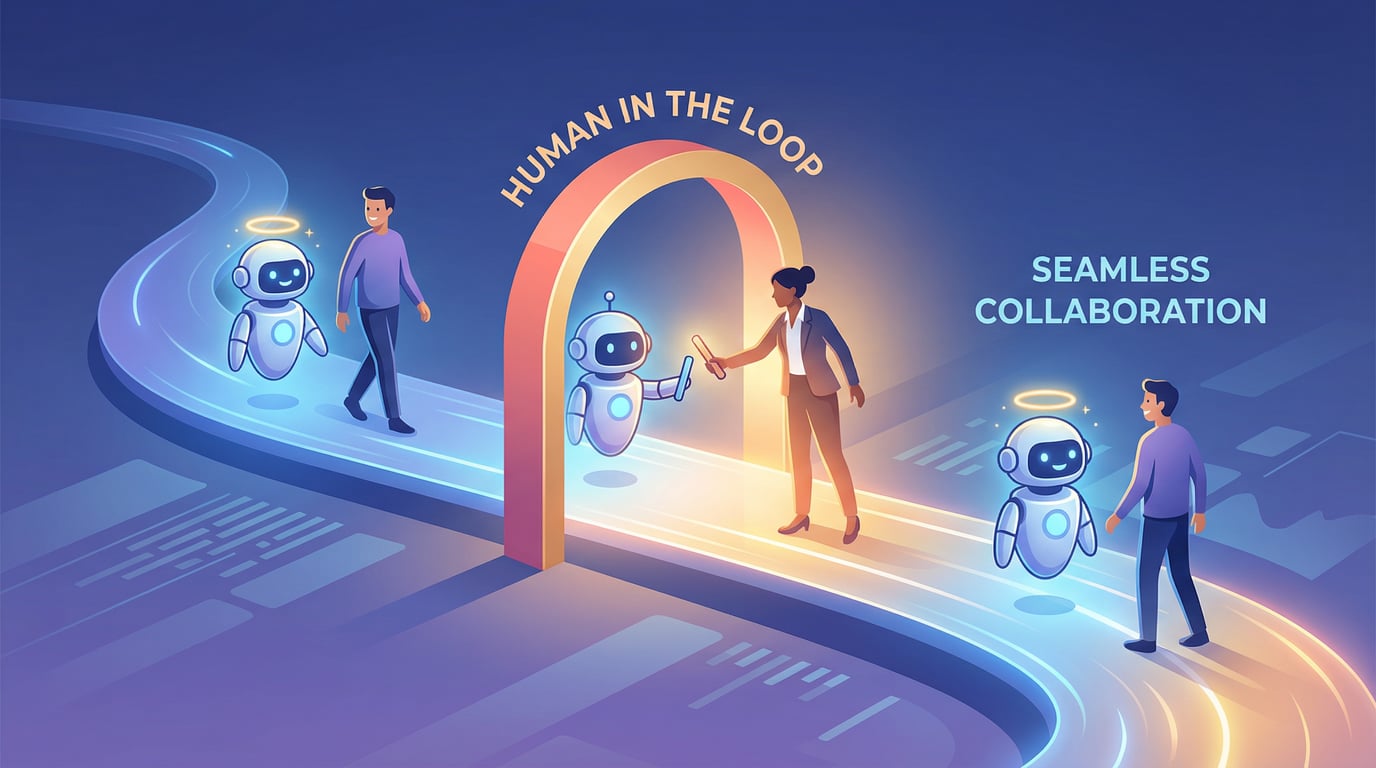
A truly mature approach to Vibe Selling doesn’t assume AI can handle everything. Dealism is built with a Human in the Loop mechanism that continuously evaluates both conversation quality and goal progress.
When the system determines that continuing autonomously can no longer guarantee a reasonable outcome, or when the lead becomes too complex or high-stakes to handle safely, it proactively prompts the user to step in. This is not a fallback after something goes wrong, but an early, deliberate handoff. After a single human response, the agent reabsorbs the context and resumes follow-up seamlessly, without breaking the flow of the conversation for the customer.
What Vibe Selling Ultimately Changes
Sales is redistributed, not amplified
In practice, Vibe Selling doesn’t make sales more aggressive. It redistributes the sales state. You no longer carry the ongoing burden of explaining, persuading, and judging every situation. You appear only at moments where human judgment and trust truly matter.
For the rest of the journey, the system understands people, evaluates intent, and accompanies them through decisions on your behalf.
This reflects Dealism’s core belief about sales: sales is not a fixed identity, but a state that appears and disappears throughout human interaction. Vibe Selling is about ensuring that this state doesn’t always have to be carried by a human—and that when it is, it happens at exactly the right moment.