Local businesses rely heavily on fast responses to turn inquiries into paying customers. Whether it is a restaurant answering booking questions, a clinic confirming availability, or a service provider responding to quotes, speed matters. This is where customer support automation becomes a competitive advantage rather than just a convenience.
Today’s customers expect instant replies across channels like website chat, WhatsApp, Instagram, and SMS. If a business takes too long, leads often move on to competitors. Automating responses allows small teams to act like large support departments without increasing headcount.
What is Customer Support Automation
Customer support automation refers to using software, AI tools, and predefined workflows to handle customer inquiries without human intervention for every message. It helps businesses automate customer replies based on triggers, keywords, or customer behavior.
According to McKinsey research on digital customer engagement, companies that improve responsiveness and real time interaction quality consistently see higher conversion rates and stronger customer satisfaction.
In simple terms, automated systems handle repetitive questions while human agents focus on higher value conversations.
Why Local Businesses Need Automated Customer Support
Local businesses often lose leads not because of product issues, but because of delayed responses. A potential customer asking “Are you open today?” or “How much does it cost?” expects an answer immediately.
Automated customer support solves this by ensuring every inquiry receives an instant reply. This improves:
Response speed across all channels
Lead conversion rates from chat inquiries
Customer experience consistency
Operational efficiency for small teams
A recent Zendesk customer experience report highlights that businesses investing in automation see improved satisfaction scores and faster resolution times.
How to Automate Common Replies in Customer Service
Understanding how to automate common replies in customer service starts with identifying repetitive questions. These usually include business hours, pricing, location, availability, and booking confirmation.
Here is a simple structure:
Identify FAQs from past conversations
Group them into categories like pricing, scheduling, or services
Create pre-written responses or AI-driven reply templates
Set triggers using keywords like “price,” “open,” or “appointment”
Deploy across messaging channels like website chat or WhatsApp
This allows businesses to automate customer replies while still keeping the experience natural and helpful.
Tools That Power Customer Support Automation
Modern customer support automation tools range from simple chat widgets to full AI-driven platforms. They help businesses automate customer support across multiple channels without manual effort.
Key capabilities include:
AI chat responses for common questions
Multi-channel messaging integration
Lead capture forms inside conversations
CRM syncing for follow-ups
Smart routing to human agents when needed
The shift toward customer service and support automation is especially strong among local service businesses that depend on fast lead response cycles.
Best Practices for Automating Customer Replies
Automation should feel helpful, not robotic. Poorly designed systems can frustrate customers instead of helping them.
Best practices include:
Keep messages short and conversational
Always offer a human handoff option
Personalize replies using customer data when possible
Regularly update automated responses based on new FAQs
Track conversion performance from automated chats
When done correctly, automated customer support feels like a responsive assistant rather than a machine.
Scaling Conversations Without Losing the Human Touch
One of the biggest concerns businesses have is losing personalization when they automate customer support. However, modern systems are designed to enhance, not replace, human interaction.
By combining automation with smart routing, businesses can ensure that urgent or complex inquiries are instantly escalated to a real person, while routine questions are handled automatically. This balance helps maintain trust while scaling communication efficiently.
Turning Automation Into a Lead Generation System
Customer support automation is not just about answering questions faster. It is also a lead generation engine. Every automated interaction is an opportunity to guide a customer toward booking, purchasing, or requesting a quote.
For local businesses, this means every missed call or unanswered message can be converted into a structured conversation that moves the customer forward in the buying process. When automation is properly designed, it becomes part of the sales funnel rather than just a support function.
How Dealism Helps Businesses Automate and Convert Conversations
Dealism is built around the idea that conversations should not stop at replies. Instead, it transforms messaging into execution channels where every interaction can move toward a concrete outcome, rather than ending as a simple response. This applies across key customer touchpoints such as
Live chat (add link: Live Chat Support Outsourcing: Cost, Use Cases, and ROI Explained)
Instead of just providing automated customer support, Dealism focuses on understanding intent inside conversations. It can identify buying signals, qualify leads in real time, and trigger next steps automatically such as booking confirmations, follow ups, or quote generation.
For local businesses, this means:
Faster response times without extra staff
Higher conversion rates from chat inquiries
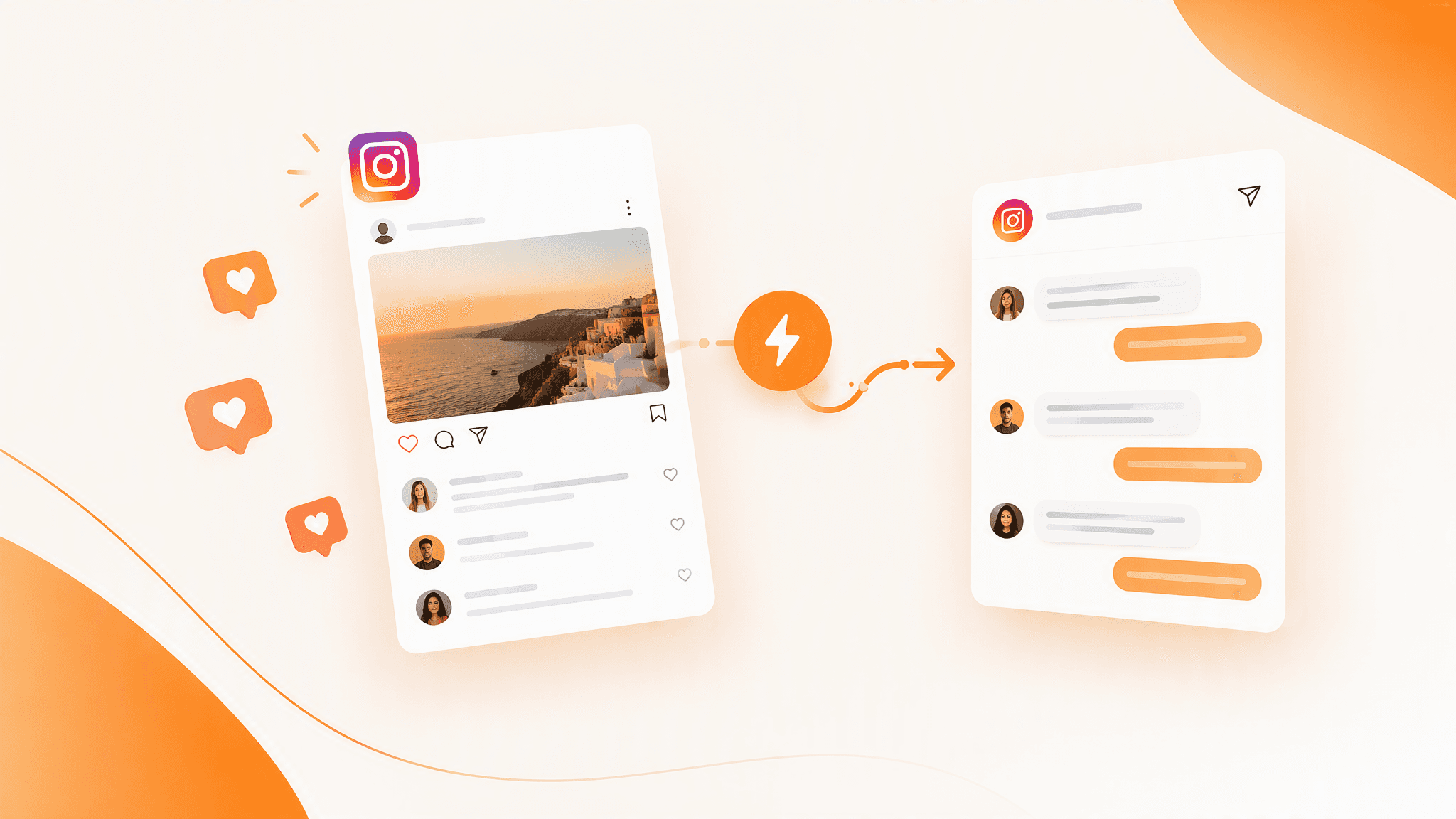
Unified automation across WhatsApp, Instagram, and live chat
Less manual work while improving customer experience
Unlike traditional customer support automation tools, Dealism is designed to act like a conversational operator that moves deals forward, not just answers questions.
From Automated Replies to Revenue Driven Conversations
Automating customer replies is no longer optional for local businesses competing in real time markets. The real advantage comes when automation is connected to revenue outcomes.
Businesses that implement customer support automation effectively are not just reducing workload. They are creating a system where every message becomes a potential conversion opportunity, every conversation is structured, and every lead is captured before it is lost.