

Manus is impressive at what it was built for: research, presentations, and one-off tasks you describe in a prompt. But if you run sales or marketing for a growing business, you've probably noticed the gap — the best Manus AI alternatives aren't the tools that do more tasks. They're the ones that show up where your revenue actually happens: in WhatsApp threads, Instagram DMs, outbound sequences, and marketing workflows that run every day without burning a pile of credits.
This guide compares 7 Manus alternatives specifically for sales and marketing work, with verified pricing, honest pros and cons, and a clear answer to "which one should I pick?"
the 7 best Manus AI alternatives for sales & marketing:
Dealism — best for closing sales in WhatsApp & Instagram DMs
Lindy — best for general business workflow automation
Relevance AI — best for building custom AI agent teams (enterprise)
Clay — best for outbound prospecting and lead enrichment
ChatGPT Agent — best for general research and browser tasks
n8n — best for structured marketing automation (open source)
Gumloop — best for no-code marketing ops workflows
How we picked: every tool was scored on three things that matter in a revenue context — whether it can execute inside conversation channels (not just research them), whether its pricing is predictable (flat subscription vs. credit burn), and how fast a non-technical team can get it live. Task-only agents that can't touch a customer conversation ranked lower, no matter how clever their demos are.
Why Look for a Manus Alternative for Sales and Marketing?
Manus charges by credits, and credits are consumed by effort, not outcomes. A deep research run, a slide deck, a long browsing session — each eats into your monthly allowance whether or not it moves a deal forward.
Here's Manus pricing as of July 2026 (see our full Manus pricing breakdown for how fast credits actually drain in practice):
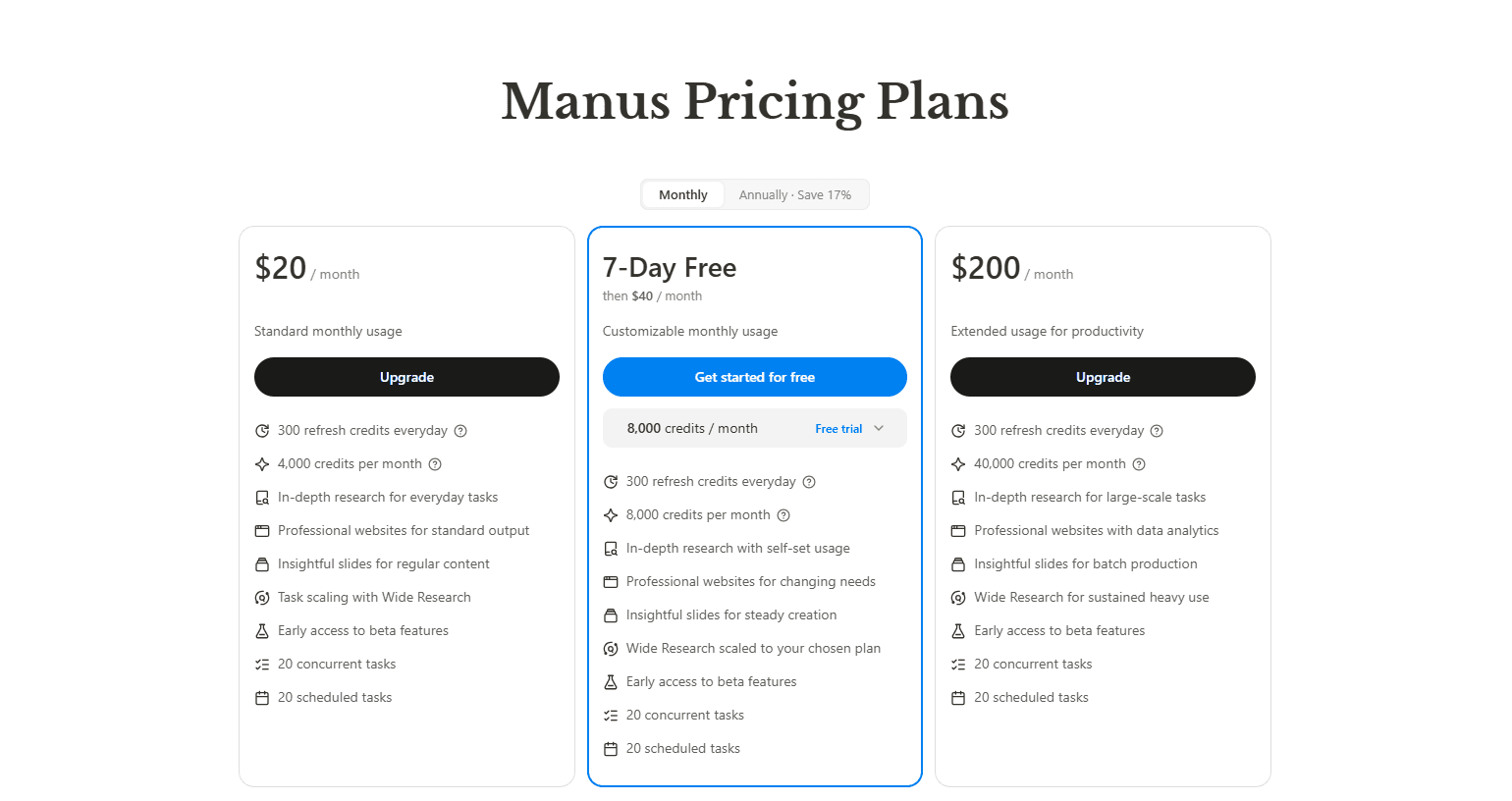
2026 Price Table
Plan | Monthly Price | Monthly Credits | Best For |
Standard | $20 | 4,000 | Individual research & light content tasks. |
Pro | $40 | 8,000 | Small teams requiring regular SEO or data audits. |
Advanced | $200 | 40,000 | Agencies automating back-office reporting. |
The “Intern” Reality
While $20 a month seems like a bargain, it’s important to understand what you’re paying for. Manus is an elite back-office intern. It’s powerful for research, but it isn’t designed to execute real-time sales or bookings. If you ask Manus to research market trends for swimwear, it will give you a 10-page report. But it won’t talk to the customer who just DMs you saying
“I need this by Friday, can you ship today?”
For an SMB owner, a report is just more homework; a deal is revenue.
The SMB Dilemma — The “Last Mile” of Messaging
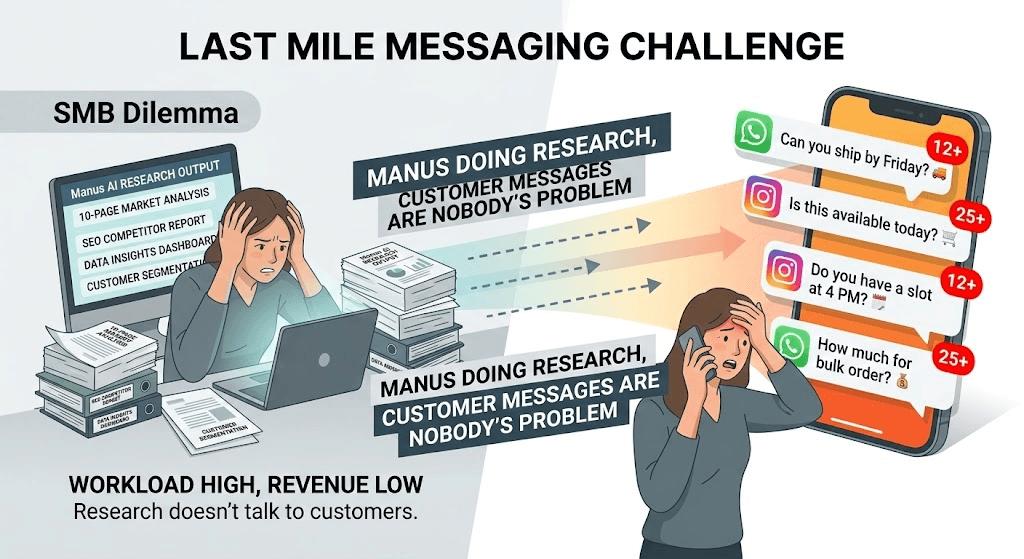
For a founder doing occasional market research, that model is fine. For a sales or marketing team, it creates two structural problems:
1. Credits punish exactly the work you need most. Sales conversations are high-frequency and repetitive — dozens of DMs a day, every day. Running that volume through a per-task credit model gets expensive fast, and teams start rationing the agent precisely where consistency matters most.
2. Manus doesn't live in your sales channels. It can research a prospect brilliantly, but it can't answer the WhatsApp message that prospect sent 40 minutes ago. Speed is not a soft metric here: a classic Harvard Business Review study found companies that responded to leads within an hour were nearly 7× more likely to qualify them than those that waited even an hour longer. An agent that produces a beautiful research doc about your leads, while the leads themselves go cold in your inbox, is solving the wrong problem.
None of this makes Manus a bad product. It means "Manus alternative" should really be read as: what kind of agent does my funnel actually need? The seven below each answer that differently.
What Is Manus, Exactly?
Manus is an autonomous general-purpose AI agent: give it a goal in natural language and it browses, researches, writes, builds slides, and even generates simple apps with minimal supervision. It's built for individual power users rather than teams, and it works in sessions — you launch a task, it runs, it ends. For a deeper look at the architecture and use cases, see our guide to what Manus agentic AI actually does; the official product is at manus.im.
What matters for this comparison: Manus is a task agent. The alternatives below split into task agents (ChatGPT Agent), workflow platforms (Lindy, n8n, Gumloop, Relevance AI), data engines (Clay), and conversation-native sales agents (Dealism).
Manus AI Alternatives at a Glance
Tool | Best for | Starting price (Jul 2026) | Key limitation |
|---|---|---|---|
Dealism | Closing deals in WhatsApp/Instagram DMs | $19/mo (native R$99 in Brazil) | Not for slides, code, or research tasks |
Lindy | Business workflow automation | Free tier; from $49.99/mo | Generalist — no sales methodology |
Relevance AI | Custom enterprise agent teams | Custom (talk to sales) | No self-serve pricing; setup effort |
Clay | Outbound prospecting & enrichment | Free tier; from $167/mo | Data engine, doesn't hold conversations |
ChatGPT Agent | General research & browser tasks | $20/mo (Plus) | Session-based; no channel presence |
n8n | Structured marketing automation | Free self-hosted; cloud from €20/mo | Workflows need to be defined upfront |
Gumloop | No-code marketing ops | Free tier; from $37/mo | Credit-based, like Manus |
The 7 Best Manus AI Alternatives in 2026
1. Dealism — best for closing sales in WhatsApp & Instagram DMs
Dealism sits at the opposite end of the spectrum from Manus. Instead of a single generalist agent that does tasks about your business, it's an AI sales agent team that works inside your business's conversations — on WhatsApp, WhatsApp Business API, Instagram DMs, Instagram comments, and live chat.
What it does: Dealism deploys goal-oriented AI Customer Agents (comment-to-DM converter, DM responder, lead qualifier, appointment setter, sales closer, outreach, and after-sales) coordinated by Dealism's built-in "ChatGPT for sales", a built-in sales AI assistant. Dealism's built-in "ChatGPT for sales" is the genuinely different part: it reads your historical chats, extracts what your best closer actually says at each stage, and builds a sales strategy from your chat history that the AI Customer Agents then execute and refine. You're not writing prompts or flowcharts — you're training an Agent on proven business knowledge and conversation patterns.
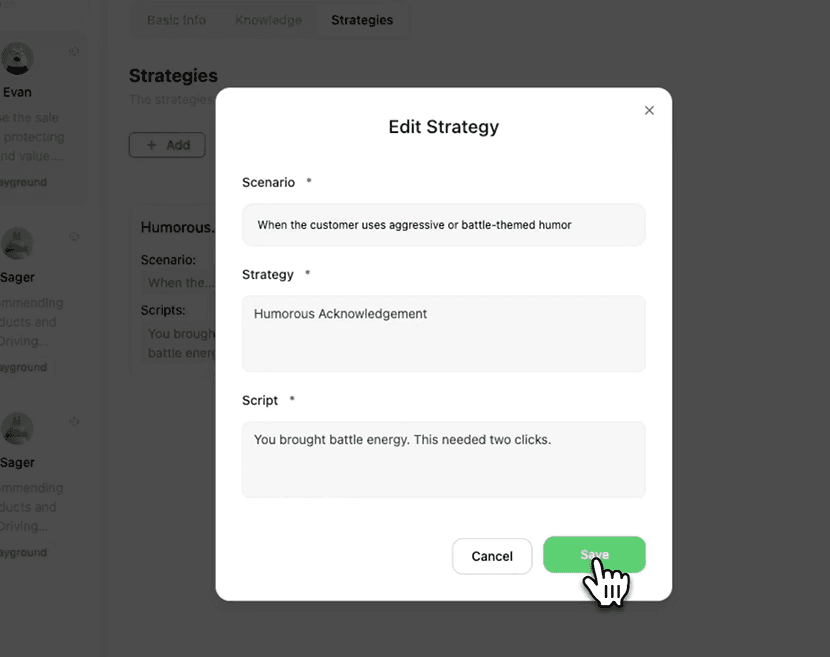
Key features:
Dealism's built-in "ChatGPT for sales": extracts top-rep scripts, coaches AI Customer Agents, auto-summarizes every chat and customer
24/7 instant response across WhatsApp and Instagram — the channels where SMB deals actually close
Goal-oriented agents that qualify, book, and close, not just auto-reply
No-code setup; flat subscription instead of per-task credits
Pros:
Built for revenue outcomes (replies, qualified leads, booked appointments), not task completion
Learns from your own winning conversations instead of generic canned responses
Predictable flat pricing — no credit anxiety on high-volume chat days
The only tool on this list with native R$ pricing for Brazilian teams
Cons:
Deliberately narrow: it won't build slide decks, write code, or run research reports — if that's your main need, Manus, ChatGPT Agent, or Lindy will serve you better
Focused on conversational channels; email-heavy enterprise pipelines are better served by Clay plus a CRM
Pricing: Light is free with no card required. Starter is $19/month with 100 AI credits/day, and Pro is $39/month with 150 AI credits/day. Every plan includes Unlimited Active Contacts. Brazilian businesses pay a native R$99/month — no exchange-rate exposure.
Best for: SMBs, e-commerce stores, clinics, and creators whose deals close in DMs, and who want an agent that sells like their best rep instead of doing homework about selling.
2. Lindy — best for general business workflow automation
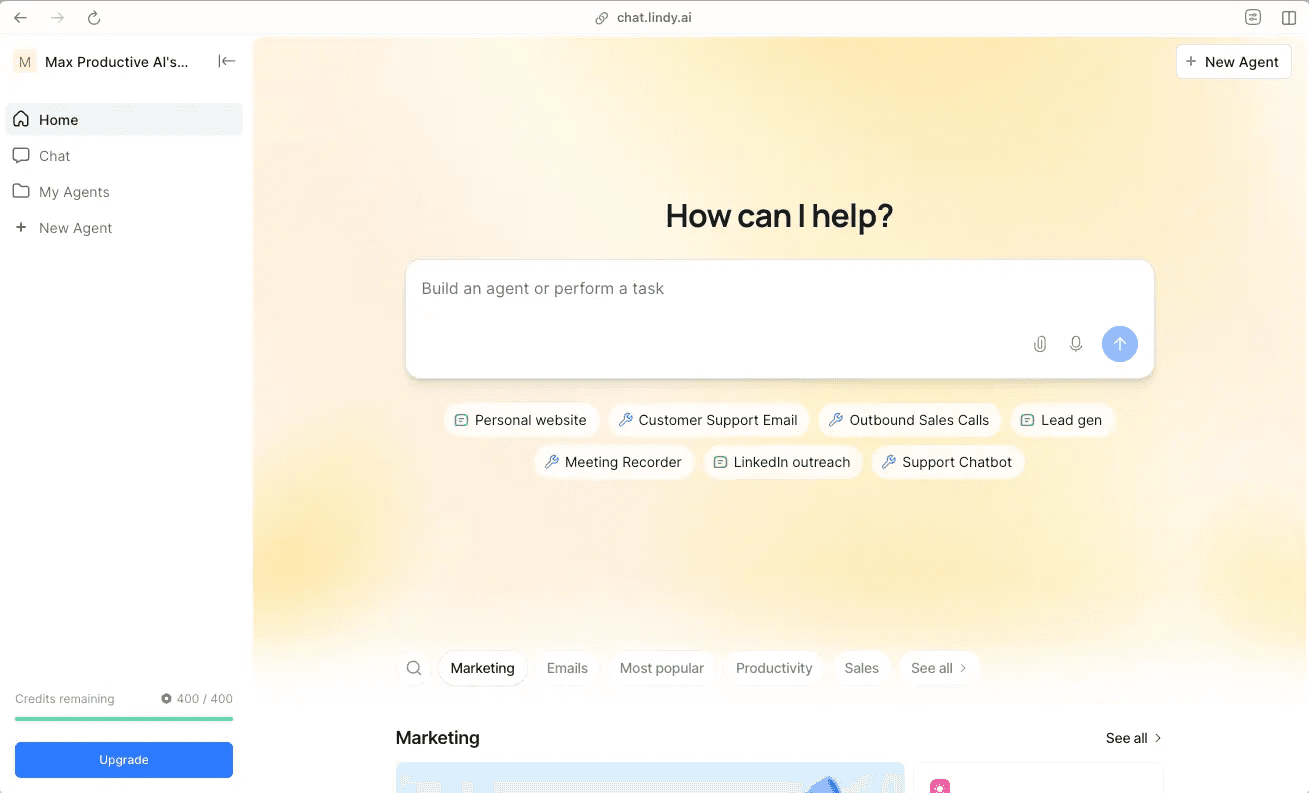
Lindy is the strongest generalist on this list. It lets you build "AI employees" that handle email triage, meeting scheduling, CRM updates, and multi-step business workflows across a claimed 4,000+ integrations, with SOC 2 and HIPAA compliance for teams that need it.
What it does: you describe a workflow ("when a lead emails, research their company, draft a reply, log it in HubSpot"), and Lindy chains the steps as an always-on automation — closer to a persistent employee than Manus's one-off task sessions.
Pros:
Huge integration surface; strong for ops-heavy teams living in email and calendars
Multi-agent logic without code
Compliance posture (SOC 2, HIPAA) rare at this price point
Cons:
Generalist by design — it automates around the sale (scheduling, logging, follow-up), but brings no sales methodology of its own; you define what "good selling" looks like
Costs scale with usage on top of the base subscription
Pricing: free tier available; paid plans from $49.99/month as of July 2026.
Best for: operators who want one flexible platform automating many business processes, with sales as one workflow among several. For a wider look at this category, see our comparison of the 10 best AI sales tools.
3. Relevance AI — best for building custom AI agent teams (enterprise)
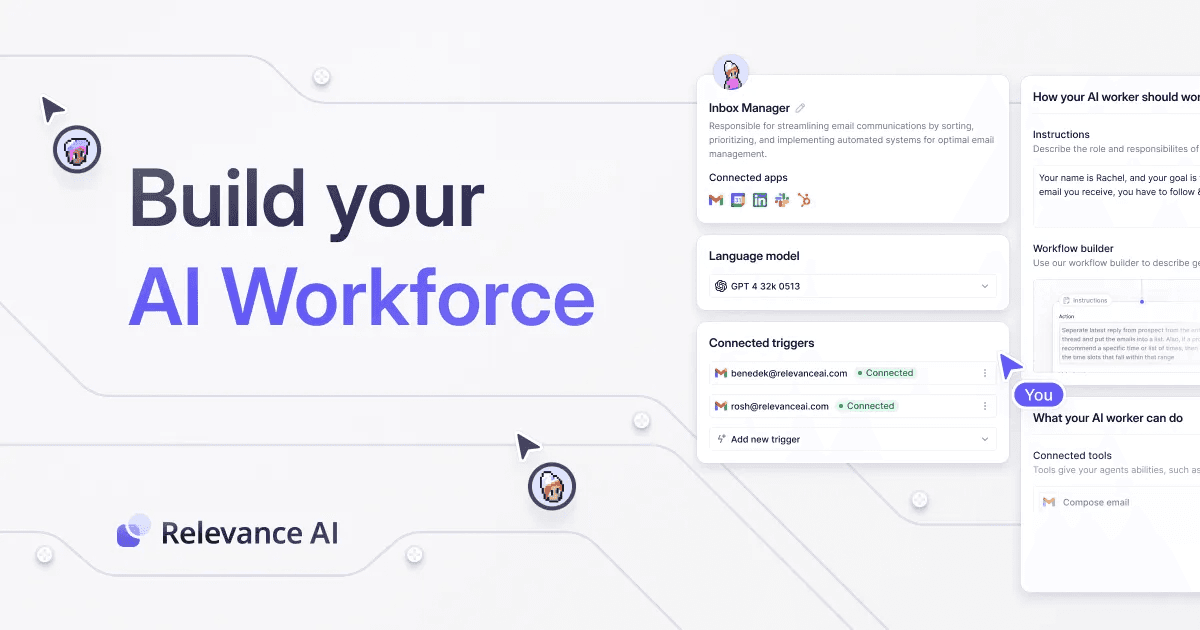
Relevance AI is a platform for composing your own "AI workforce": research agents, SDR agents, and support agents that share tools and hand work to each other.
What it does: teams build custom agents from templates and connect them to 2,000+ integrations, with calling and meeting agents, A/B testing, and evaluation tooling. It's the closest thing here to "build your own Manus, but for a team."
Pros:
Deep customization — agent behavior, tools, and escalation paths are all configurable
Multi-agent orchestration designed for teams rather than individual power users
Enterprise controls: SSO, RBAC, audit logs
Cons:
As of July 2026, Relevance AI no longer publishes self-serve pricing — plans are custom and sales-led, which puts it out of casual reach for small teams
Real setup and maintenance effort; you're building the workforce, not renting a finished one
Pricing: custom, via sales consultation (as of July 2026 the public pricing page lists only an Enterprise tier).
Best for: mid-size and enterprise teams with RevOps resources who want tailored agent systems and are willing to invest in building them.
4. Clay — best for outbound prospecting & lead enrichment
Clay isn't a conversational agent at all — it's the data engine behind modern outbound. If your Manus use case was "research these 200 companies and find contacts," Clay does that job at industrial scale.
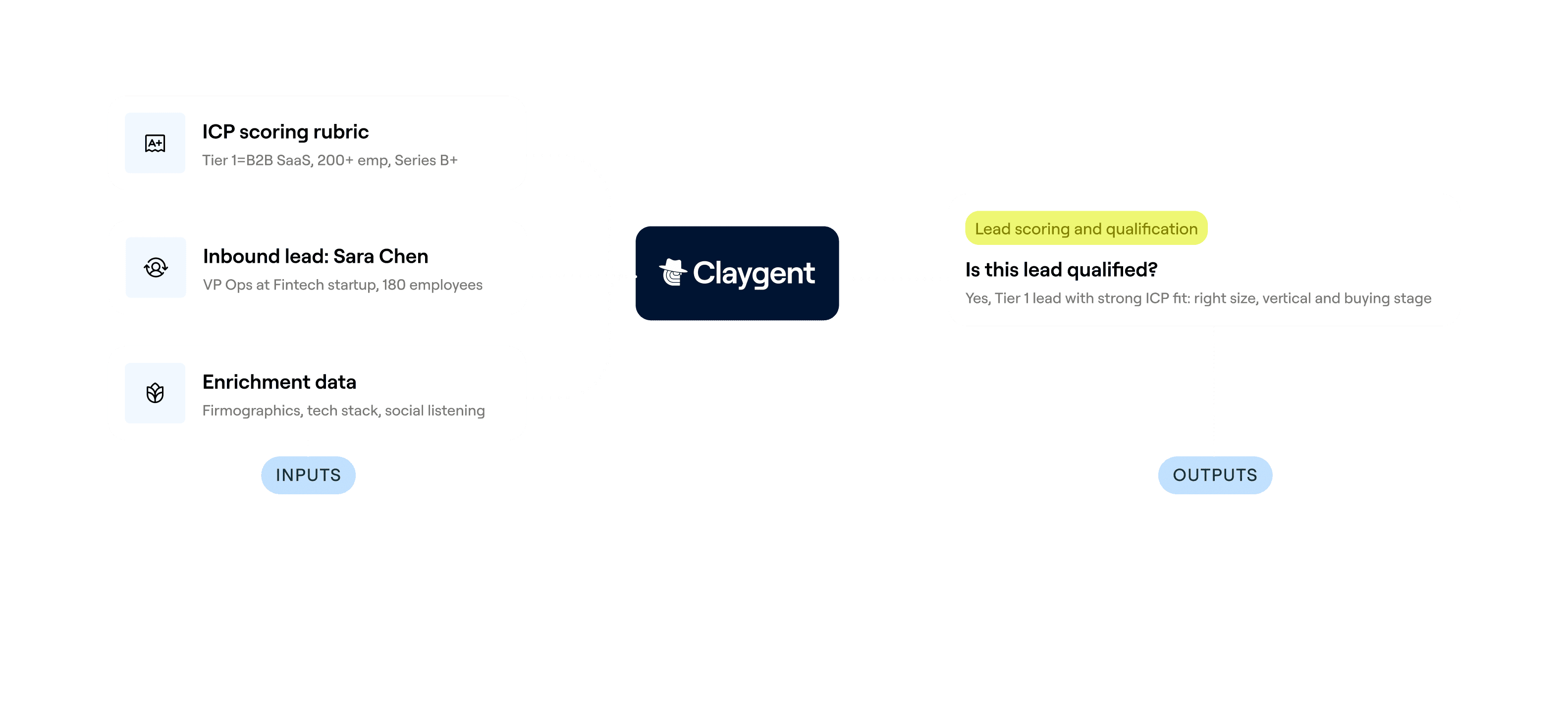
What it does: Clay enriches lead lists through waterfalls across dozens of data providers, uses its Claygent AI researcher to answer custom questions about each prospect, and pushes the results into sequences and CRMs. Pairing a data engine like Clay with an AI SDR for outbound is how lean teams now run prospecting motions that used to need a whole ops pod.
Pros:
Best-in-class enrichment coverage via multi-provider waterfalls
Claygent automates exactly the prospect-research work people used Manus for — but structured, repeatable, and in bulk
Free tier to experiment with
Cons:
Credit-based pricing that gets expensive at volume, and jumps steeply between tiers
It finds and enriches leads; it doesn't talk to them — you still need a conversation layer
Pricing: free plan (100 data credits/month); paid plans from $167/month as of July 2026.
Best for: B2B outbound teams that need prospect data and account research at scale, feeding another tool that handles the actual conversations.
5. ChatGPT Agent — best for general research & browser tasks
If what you liked about Manus was the "give it a goal, watch it browse and produce" experience, ChatGPT's agent mode is the most direct substitute — with the advantage of living inside a subscription you may already pay for.
What it does: ChatGPT Agent operates a virtual browser to research competitors, compare vendors, fill forms, build spreadsheets and slides, and complete multi-step online tasks, all within a ChatGPT Plus or Pro subscription.

Pros:
Flat subscription — no separate credit pool to manage for typical usage
Excellent for ad-hoc marketing research, competitive analysis, and content drafting
Backed by OpenAI's fastest-improving model line
Cons:
Session-based like Manus: it does tasks when you ask, then stops — it has no standing presence in your channels and won't catch the lead who messages at 11pm
Usage limits on agent runs, and no team workflow/permission layer
Pricing: included with ChatGPT Plus at $20/month; higher limits on Pro at $200/month (as of July 2026).
Best for: founders and marketers who want Manus-style task automation for research and content, at the price of a subscription they already have.
6. n8n — best for structured marketing automation (open source)
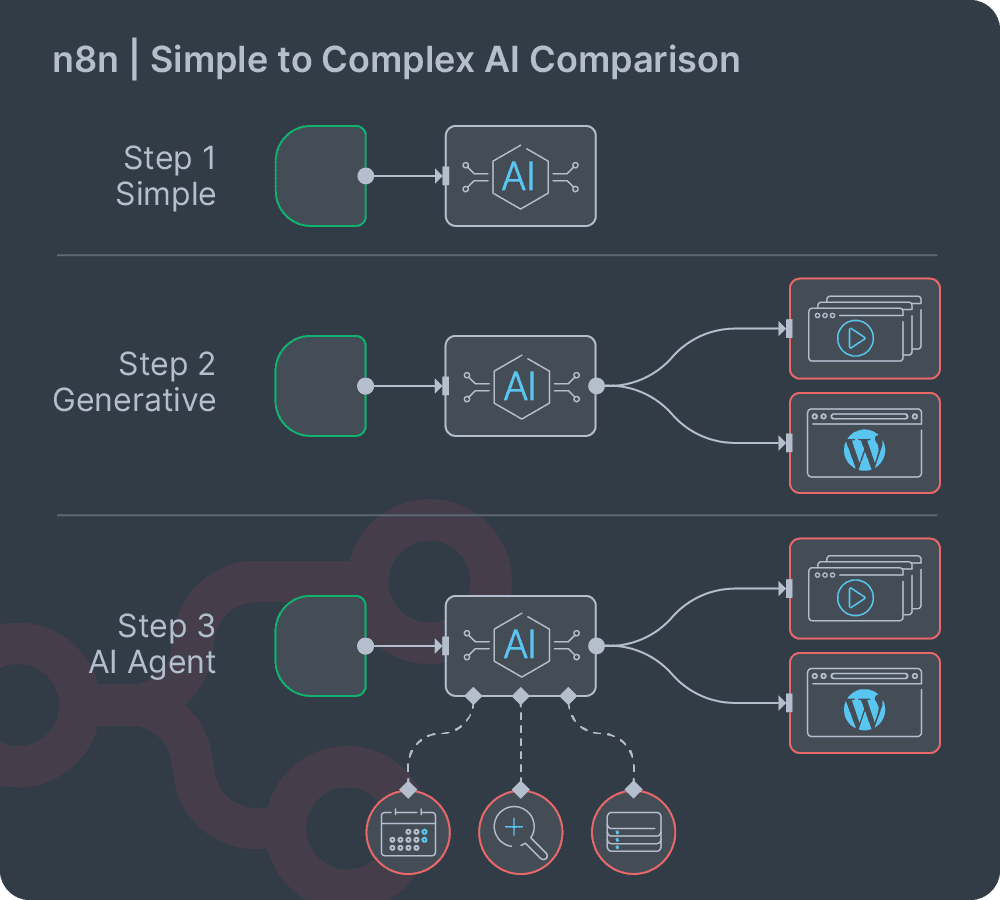
n8n is the engineer's answer on this list: a source-available workflow automation platform you can self-host for free, with AI agent nodes you can wire into any process.
What it does: you build visual workflows — lead capture to CRM sync, campaign reporting, churn alerts, WhatsApp notifications via API — and n8n executes them reliably, with LLM steps wherever judgment is needed. Unlike credit-metered tools, a workflow run costs the same whether it has three steps or thirty.
Pros:
Free self-hosted Community Edition; full control over data and infrastructure
Execution-based cloud pricing is refreshingly predictable
Enormous flexibility — if it has an API, n8n can automate it
Cons:
It's a workflow tool, not an autonomous agent: processes must be defined in advance, which is the opposite of Manus's "figure it out" mode
Real technical skill required to build and maintain anything non-trivial
Pricing: self-hosted free; cloud plans from €20/month for 2,500 executions as of July 2026.
Best for: technical teams that want owned, predictable automation infrastructure for marketing ops, and are happy to trade autonomy for control.
7. Gumloop — best for no-code marketing ops
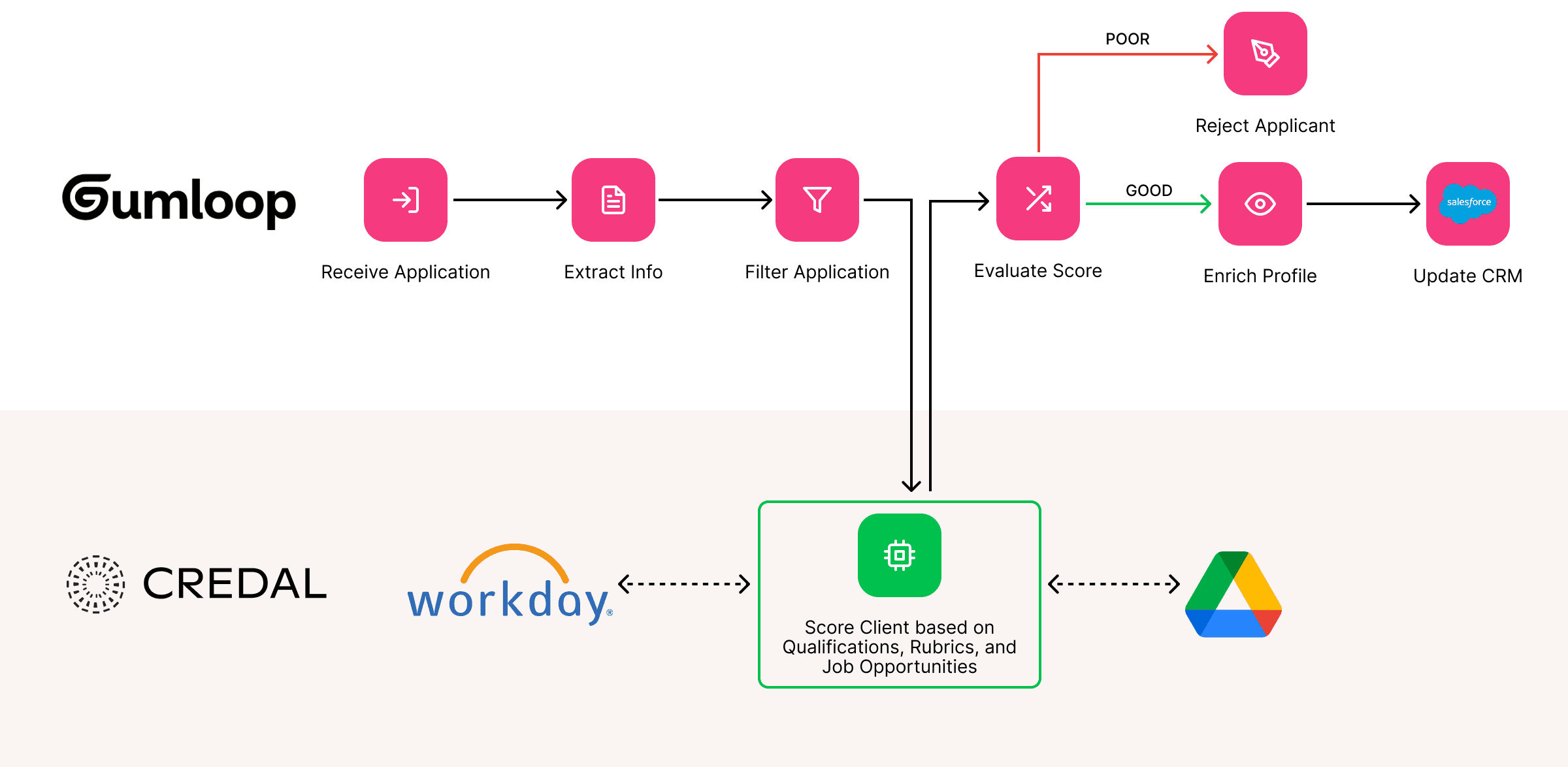
Gumloop is what n8n's power looks like when it's packaged for marketers: a drag-and-drop canvas for AI workflows like SEO briefs, ad performance summaries, lead scoring, and content repurposing.
What it does: you chain AI steps visually — scrape, summarize, classify, write, send — and run them on schedules or triggers, no code required.
Pros:
Fastest no-code path to real AI workflows for a marketing team
Generous free tier (5,000 credits/month) to prove value before paying
Unlimited seats on the Pro plan — unusual and team-friendly
Cons:
Credit-based pricing means the Manus problem returns at scale: heavy workflows burn credits unpredictably
Workflow automation, not conversation: no persistent sales presence
Pricing: free tier; Pro from $37/month for 20,000+ credits as of July 2026.
Best for: marketing teams that want to automate repetitive ops work this week, without waiting on engineering.
How to Choose: Match the Agent to the Job
Strip the branding away and the decision is about what kind of work you're delegating:
Choose Dealism if revenue lives in your DMs — WhatsApp and Instagram leads that need instant, skilled responses around the clock, and you'd rather train an Agent on your business knowledge and successful conversation patterns than hire and train another rep.
Choose Lindy if you're automating broad business operations (email, scheduling, CRM hygiene) and sales is one of several workflows.
Choose Relevance AI if you're an enterprise with the resources to design a custom agent workforce.
Choose Clay if your bottleneck is outbound data — finding and enriching the right prospects at scale.
Choose ChatGPT Agent if you want general-purpose task automation (research, decks, analysis) on a subscription you already pay.
Choose n8n or Gumloop if your processes are known and repeatable, and you want them running as defined workflows — n8n if you have engineers, Gumloop if you don't.
Stick with Manus if your core need really is deep research, presentations, and exploratory tasks for an individual power user. It remains one of the best at exactly that.
The one thing not to do: assume a task agent will act as a revenue agent. Producing artifacts and progressing conversations are different jobs, and every tool on this list has picked a side.
FAQ
What is the best Manus AI alternative?
It depends on the job. For sales conversations in WhatsApp and Instagram, Dealism is the strongest choice because it executes inside the channels where deals close. For general workflow automation, Lindy leads; for outbound data, Clay; for Manus-style research tasks, ChatGPT Agent is the most direct swap.
Is there a free Manus alternative?
Yes. n8n's Community Edition is free to self-host, and Clay, Gumloop, and Lindy all offer free tiers. "Free" usually means limited credits or executions — enough to validate a use case, rarely enough to run a live sales operation on.
Can Manus do sales outreach?
Not in any sustained way. Manus can research prospects and draft messages, but it has no presence inside WhatsApp, Instagram, or email threads, so it can't respond to leads in real time or manage a conversation through to close. That's the core reason sales teams pair or replace it with a dedicated conversational agent.
What's the difference between Manus and an AI sales agent?
Manus is a task agent: you assign work, it produces an output, the session ends. An AI sales agent holds an ongoing post in your channels — qualifying, following up, booking, and closing continuously. Our guide to what an AI sales assistant does breaks down the category in detail, and if WhatsApp is your main channel, this comparison of the best WhatsApp marketing software goes deeper on the options.
How much does Manus cost in 2026?
As of July 2026, Manus starts at $20/month (Standard, ~4,000 credits), $40/month for Pro, and $200/month for Advanced. Because features consume credits at different rates, effective monthly cost depends heavily on how you use it — heavy users routinely outgrow their tier.
From Task Credits to Closed Deals
The Manus wave proved that AI agents can genuinely work autonomously. The question for 2026 isn't whether agents work — it's where they work. A research report is worth something; a qualified lead who just booked a call is worth more. That shift in mindset — from delegating tasks to handing off entire selling states — is what we call vibe selling, and it's the lens that makes this whole category click into place.
If your leads live in WhatsApp and Instagram, the highest-ROI Manus AI alternative is the one already talking to them while you read this. You can try Dealism free for 7 days — no card required — and compare Dealism's pricing against what your current credit burn actually buys you.