
Sales is not just about having a confident pitch. A good salesperson understands what the buyer is trying to solve, reduces uncertainty, and helps the customer move toward a clear next step. That is why sales techniques still matter. The best sales techniques are not pressure tactics. They are practical ways to ask better questions, explain value, handle objections, and follow up with purpose.
A lead may come from a website form, WhatsApp, Instagram DM, Web Chat, or B2B inquiry. The goal is the same: recognize intent and respond in a way that builds trust instead of friction.
What Are Sales Techniques?
Sales techniques are the communication methods salespeople use during real conversations with potential customers. They include how to discover needs, frame a problem, present an offer, answer price questions, manage hesitation, and guide the buyer toward a decision.
A sales technique is different from a fixed script. A script tells someone what to say. A technique helps them decide how to respond based on context. One buyer may need proof. Another may need a clearer comparison between options. Another may be ready to book but needs reassurance about timing or process.
Why Modern Sales Techniques Matter More Than Ever
Modern buyers rarely start from zero. Before they contact sales, they may have checked your website, compared competitors, read reviews, or looked at your Instagram. So when they ask, “How much is it?” or “Do you have availability this week?”, they are often not just asking for information. They are testing whether your business can understand their intent and help them move forward.
A fast reply helps, but speed alone is not enough. A generic answer can still lose the lead. In website chat, WhatsApp, Instagram DM, and Web Chat, the better sales move is to read the signal behind the message, answer clearly, and guide the buyer to the next step.
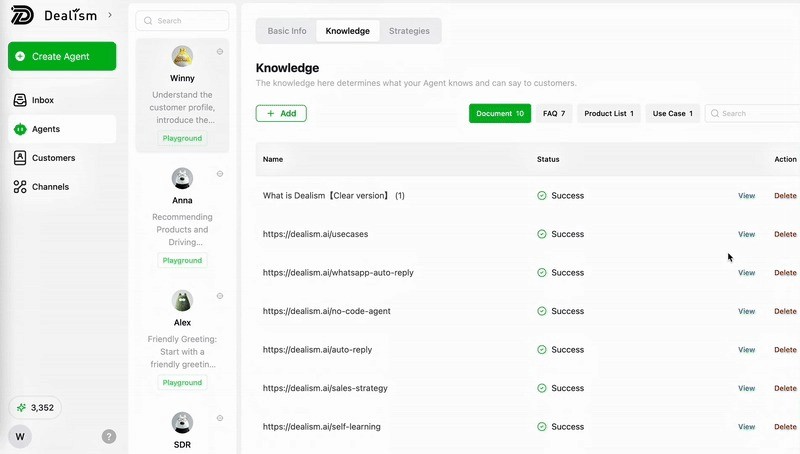
Tools like Dealism support this by helping teams recognize intent across online conversations, so a customer message can become a quote, booking, consultation, or follow-up action instead of just another unanswered chat.
Best Sales Techniques for Chat Leads
For chat leads, the best sales techniques help buyers clearly see their problem, feel the value of the solution, and take the next step with confidence.
Understand the Buyer’s Real Pain Points
A buyer’s first question is not always their real concern. Someone asking about price may worry about wasting money. Someone asking about features may be comparing options. Someone asking about time may already have urgent intent. A strong sales conversation starts by identifying what the buyer is actually trying to solve.
Sell the Problem Before the Product
Many sales conversations fail because the seller explains the product too early. Features feel weak when the buyer does not see why action matters. Clarify the cost of doing nothing: What happens if the buyer waits too long, keeps the same process, or chooses the wrong option?
Make Value Clear and Concrete
Value should not sound abstract. Buyers need to know what they get, why it matters, and what changes after they buy. A clear value explanation should cover what is included, who the solution is best for, what problem it solves, and what happens next.
Use Proof, Stories, and Real Examples
Proof makes a sales message more believable. It can be a case study, customer example, common use case, review, or simple before-and-after explanation. Specific examples reduce doubt better than broad claims.
Handle Objections Without Pressure
Objections are not always rejection. They often mean the buyer is interested but not fully convinced. Common objections include price, timing, trust, uncertainty, and fear of choosing the wrong option. A strong reply should clarify the concern and reduce risk.
Follow Up with a Clear Next Step
Many deals do not close in the first conversation. A weak follow-up says, “Just checking in.” A better follow-up reminds the buyer what they asked about, answers an unresolved question, or gives them one simple action to take.
How Dealism Helps Turn Sales Techniques Into Consistent Results
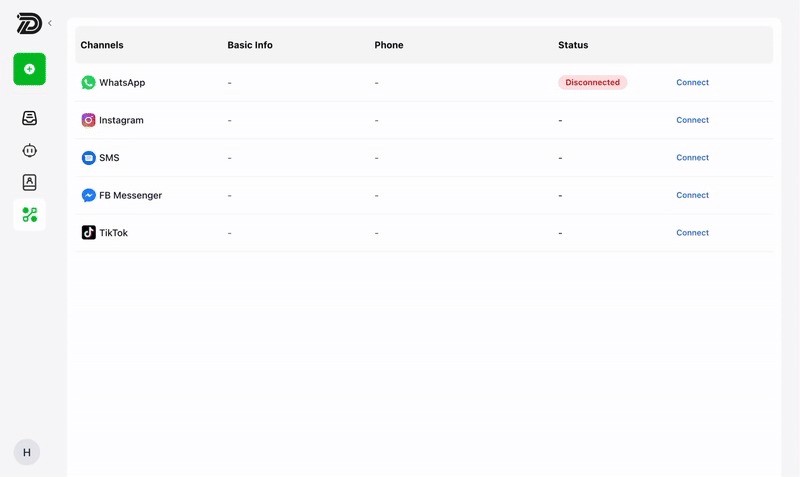
For many SMBs, the problem is not knowing sales techniques. The problem is using them every time a customer starts a conversation. A lead may come from WhatsApp, Instagram, Web Chat, or a website inquiry. One person may ask about price, another may ask about availability, and another may compare options before booking. Each message needs judgment, not just a fast reply.
Dealism helps teams turn sales techniques into repeatable actions across daily customer conversations.
From Customer Message to Sales Action
When a customer asks about price
Dealism does not only send a fixed price reply.This AI sales agent can use the business knowledge base to explain what is included, clarify the customer’s needs, recommend a suitable option, and guide the customer toward a quote, booking, or consultation.When a customer asks about availability or booking
Dealism can recognize stronger buying intent, ask follow-up questions if needed, and move the conversation toward appointment scheduling instead of leaving the customer waiting for manual confirmation.When a customer is comparing options
Dealism can provide product details, service differences, examples, FAQs, or proof points based on the conversation context. This supports sales techniques like value clarification, objection handling, and personalized recommendation.When a lead goes quiet
Dealism can follow up based on the previous conversation, not with a generic “just checking in” message. The follow-up can refer to the customer’s earlier question, unfinished booking, quote request, or product interest.
Real SMB Use Cases
Medical clinics scheduling system: Patients ask about symptoms, availability, or treatment options. Dealism can clarify needs, answer routine questions, and guide them toward booking.
Education providers: Students ask about courses, schedules, or instructors. Dealism can match them with the right course and continue the enrollment conversation.
Local e-com: Customers ask about stock, product fit, or delivery. Dealism can confirm preferences, answer product questions, support payment or reservation steps, and keep the conversation moving.
In each case, sales techniques are not just advice for sales reps. They become part of the customer journey: understand the need, clarify the next step, match the right solution, and act before the lead turns cold.
For teams handling more conversations, Dealism's built-in "ChatGPT for sales" adds a higher-level management layer. It helps manage the agent system, sync knowledge, identify high-intent leads, generate reports, arrange follow-up tasks, and remind humans when intervention is needed. Dealism's built-in "ChatGPT for sales" helps teams monitor and improve the whole AI-driven sales workflow.
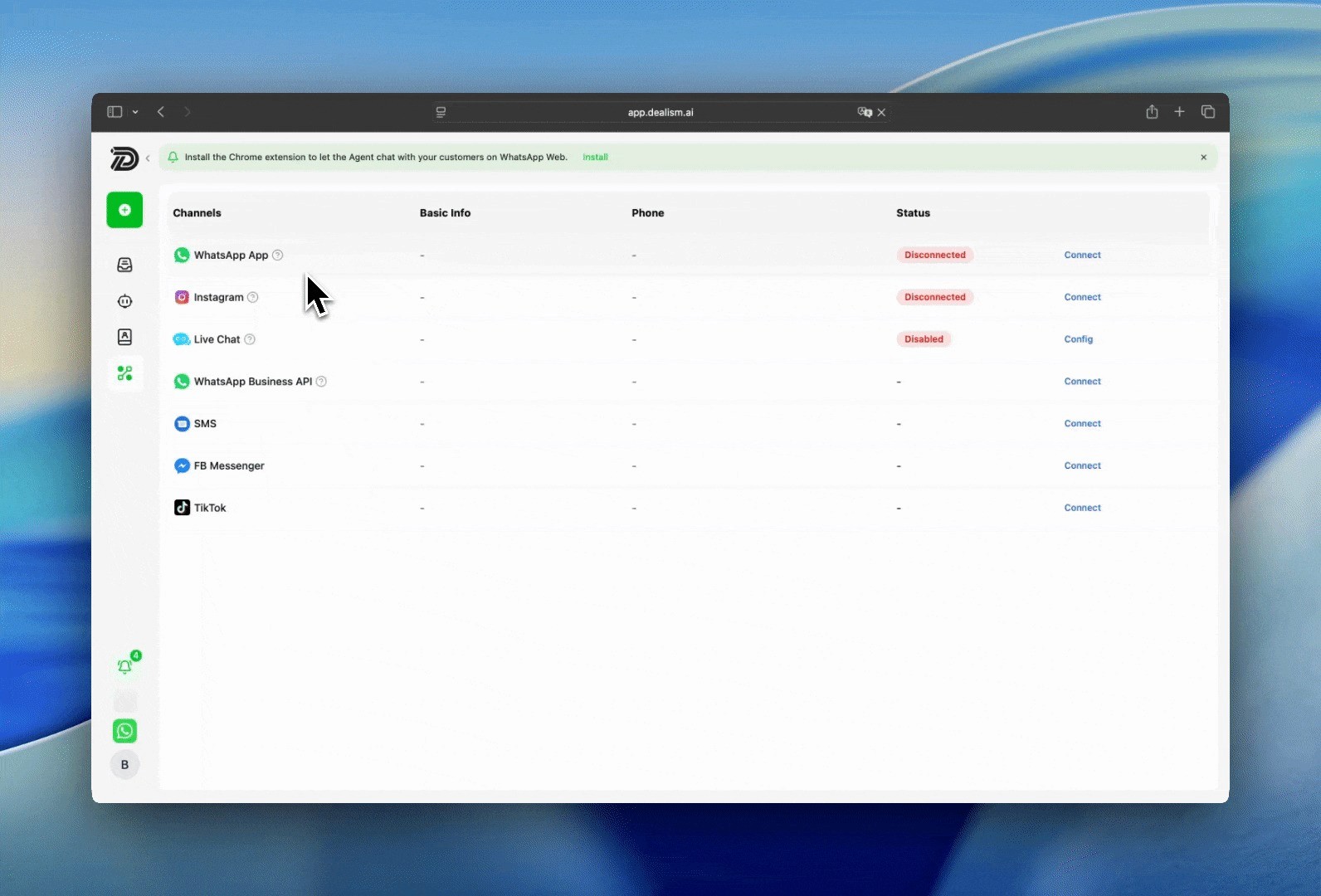
Dealism is not just a bot that replies, and not a CRM that stores records. It helps SMBs turn messy chats into real sales actions.
Conclusion
Good sales techniques are not about pushing harder. They help teams understand buyers, respond with context, explain value clearly, and guide every lead toward the next step. For businesses that rely on WhatsApp, Instagram, or website inquiries, Dealism helps turn scattered chats into clear sales actions through faster replies, intent recognition, follow-up, and human handoff.