Published
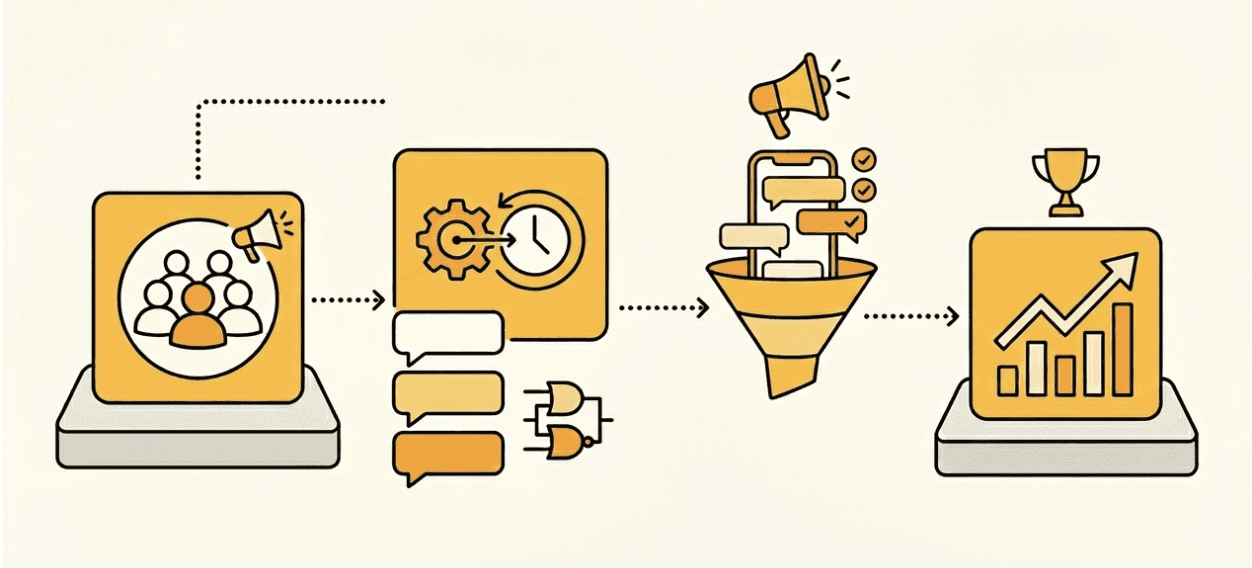
WhatsApp has quickly become one of the most powerful channels for customer engagement. Whether you're running an online store, a local business, or offering services, responding promptly to messages can make the difference between a sale and a missed opportunity.
As customer expectations rise, relying on manual replies becomes unsustainable. An automatic WhatsApp message sender transforms your workflow—turning scattered chats into structured, conversion-focused interactions.
Why Automated WhatsApp Messages Matters
Automated WhatsApp messages isn’t just about sending messages faster—it’s about turning conversations into measurable business outcomes. Here’s why companies increasingly choose to auto send WhatsApp message workflows:
Faster Customer Engagement and Response
Customers expect near-instant replies. Automated messaging ensures your business responds promptly, even outside of office hours, keeping your audience engaged and reducing the risk of lost opportunities.Reduce Manual Work and Operational Cost
Instead of dedicating staff to answer repetitive inquiries, WhatsApp automation handles routine questions, appointment confirmations, and order updates. This frees up time and reduces operational overhead without compromising customer service.Boost Conversions with Instant Messaging
Quick, personalized responses can accelerate decision-making. By delivering relevant messages at the right moment—such as follow-ups, promotions, or abandoned cart reminders—automation can directly increase conversion rates and drive revenue growth.
How to Create High-Converting Automated WhatsApp Campaigns
Once you’ve decided to automate your WhatsApp messaging, the next step is designing campaigns that not only send messages but actually drive engagement and conversions. Automation is most effective when it is strategic, personalized, and well-timed. Here’s how to structure high-performing WhatsApp campaigns:
Designing Message Templates for Different Scenarios
Not every message serves the same purpose. Create tailored templates for common customer interactions such as:
Welcome messages for new subscribers
Appointment confirmations or reminders
Abandoned cart follow-ups
Promotions or special offers
By defining clear scenarios, your messages stay relevant and feel intentional rather than generic.
Personalization Techniques Beyond First Name
Simple personalization, like inserting the customer’s first name, is no longer enough. Use behavioral and contextual data to make messages feel truly relevant:
Reference previous purchases or inquiries
Suggest products or services based on browsing behavior
Adjust tone or language depending on customer segment
This level of personalization increases the likelihood of engagement and makes automated messages feel like a human conversation.
Bulk Messaging vs Triggered Campaigns
There’s a difference between sending mass broadcasts and trigger-based automated messages:
Bulk Messaging: Good for general announcements, offers, or newsletters. Make sure recipients have opted in.
Triggered Campaigns: Messages sent based on specific actions, such as a cart abandonment or appointment booking. These are far more effective in driving conversions because they arrive at the moment of intent.
Balancing these two approaches ensures that you reach customers without overwhelming them.
Timing and Frequency Best Practices
Even perfectly written messages can fail if sent at the wrong time or too often. Follow these best practices:
Send messages during peak engagement hours but avoid late nights
Space follow-ups strategically to avoid appearing spammy
Adjust frequency based on customer behavior and campaign type
A thoughtful timing strategy keeps your audience engaged and maximizes the impact of automated campaigns.
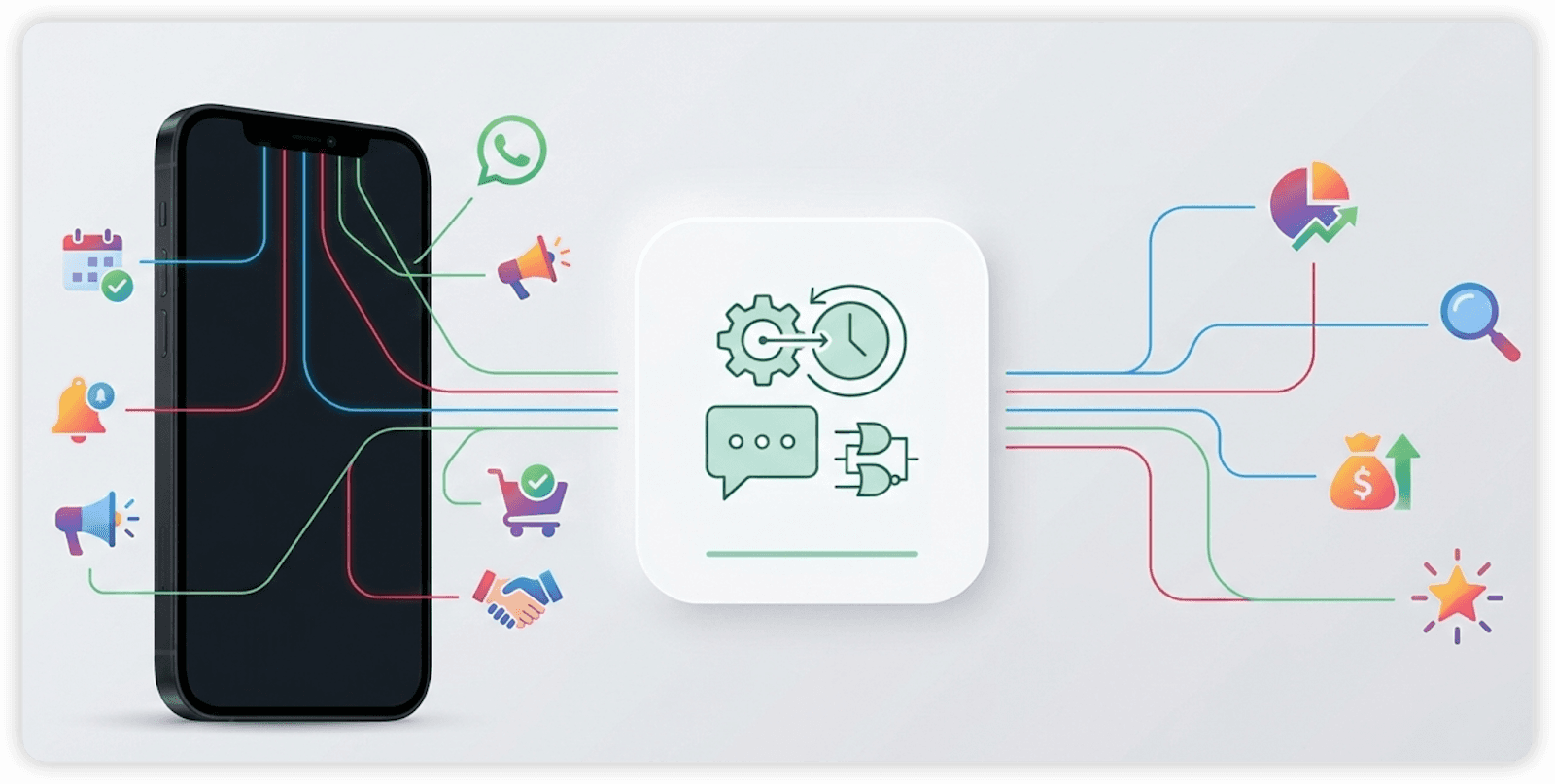
Why Choose Dealism.ai for Auto WhatsApp Messaging
Designing high-converting automated WhatsApp campaigns requires more than templates, scheduling tools, or basic WhatsApp auto reply functions. You need a system that can understand conversations, make judgments, and move prospects forward—not just send messages.
This is where Dealism.ai operates differently.
Unlike traditional auto-message tools that rely on fixed scripts or rule-based workflows, Dealism functions as an AI Vibe-Selling Agent. It doesn’t simply automate replies—it executes sales conversations.
Here’s how Dealism aligns with the campaign principles discussed above:
It Turns Templates Into Adaptive Conversations
While most tools send predefined messages, Dealism interprets context in real time.
It remembers conversation history, detects user intent, and adjusts tone and direction accordingly.
Instead of:
“Hi {{FirstName}}, are you interested?”
It can:
Clarify needs
Ask follow-up questions
Recommend next steps
Guide the user toward action
That’s personalization beyond variables—it’s conversational judgment.
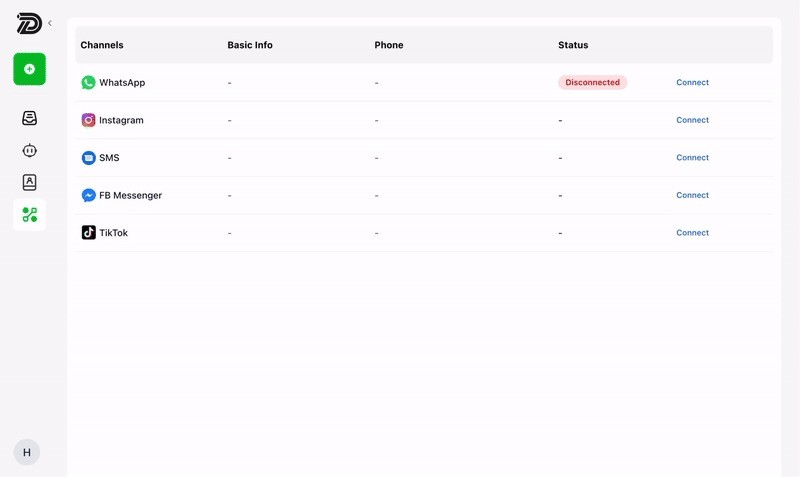
It Applies Vibe Selling, Not Robotic Automation
High-converting campaigns rely on timing, emotion, and natural progression.
Dealism uses a Vibe Selling logic:
No aggressive pushing
No mechanical tone
No visible “bot behavior”
Smart escalation at the right moment
The result feels like a human handling the chat—without requiring one.
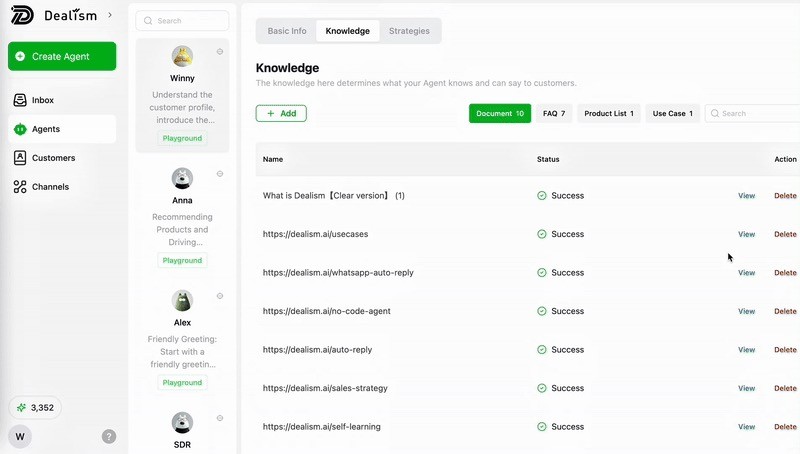
It Balances Bulk and Triggered Messaging Intelligently
Instead of treating automation as pure broadcast, Dealism supports:
Trigger-based responses based on real intent
Automated follow-ups when conversations stall
Intelligent lead qualification before pushing for booking or purchase
This prevents over-messaging and protects engagement quality.
It Operates Before CRM Becomes Necessary
Many small and mid-sized businesses don’t need a complex CRM—they need conversations that actually move forward.
Dealism is built with a non-CRM philosophy:
No heavy setup
No data-entry burden
No operational complexity
It acts more like a colleague who handles chats, qualifies leads, and pushes deals ahead—so you don’t have to.
Common Mistakes to Avoid
While an auto message sender for WhatsApp can dramatically improve efficiency and engagement, even the best campaigns can fail if certain pitfalls are overlooked. Understanding these common mistakes ensures your whatsapp auto message sender drives conversions without harming customer trust.
Over-Messaging and Spam Signals
Sending too many messages too quickly can make your brand appear intrusive and trigger spam filters. Even automated campaigns should pace messages appropriately, respecting user attention and engagement windows. Quality and relevance always beat sheer volume—even when using a bulk WhatsApp sender.
Generic Messaging Without Segmentation
A one-size-fits-all message rarely resonates. If every recipient gets the same text, your automation will feel impersonal and irrelevant, reducing engagement and conversions. A properly configured whatsapp auto message sender should deliver tailored, intent-driven communication—not generic broadcasts. Personalization at scale is what turns automation into measurable growth.
Ignoring Compliance and User Preferences
WhatsApp marketing requires explicit opt-ins and adherence to privacy regulations. Ignoring consent or sending messages outside the user’s preferences can lead to opt-outs, complaints, or even regulatory penalties. Always verify that recipients want to receive your messages, and provide clear options to manage subscriptions.
FAQs
How does auto WhatsApp messaging improve conversions?
Automated WhatsApp messaging improves conversions by delivering instant responses and timely follow-ups, keeping prospects engaged at the moment of intent. Faster interactions reduce drop-offs and move customers more quickly toward a purchase or booking decision.
Can I send bulk messages without spamming users?
Yes, as long as users have opted in and messages are properly segmented and spaced out. Relevant, well-timed bulk campaigns perform far better than high-volume generic blasts.
How does Dealism.ai differ from regular WhatsApp auto-message tools?
Unlike basic tools that only send preset messages, Dealism.ai uses AI to understand context, respond naturally, and guide conversations toward conversion. It acts more like a sales assistant than a simple bulk message sender.
Final Thoughts
Automation in WhatsApp messaging isn’t about replacing human interaction—it’s about turning conversations into structured, revenue-driven workflows. By responding instantly, following up automatically, and guiding customers through each step, businesses can capture more leads and reduce missed opportunities. When done right, automation makes every message intentional and conversion-focused.
Platforms like Dealism.ai make this level of automation practical for small and medium-sized businesses. Its AI agents manage conversations across WhatsApp, Instagram DMs, and web chat, delivering personalized follow-ups and intent-based responses in real time. The result is higher efficiency, a natural customer experience, and stronger sales performance—without the complexity of a traditional CRM.
Read more:
WhatsApp Marketing Automation: How to Scale Conversations Into Conversions