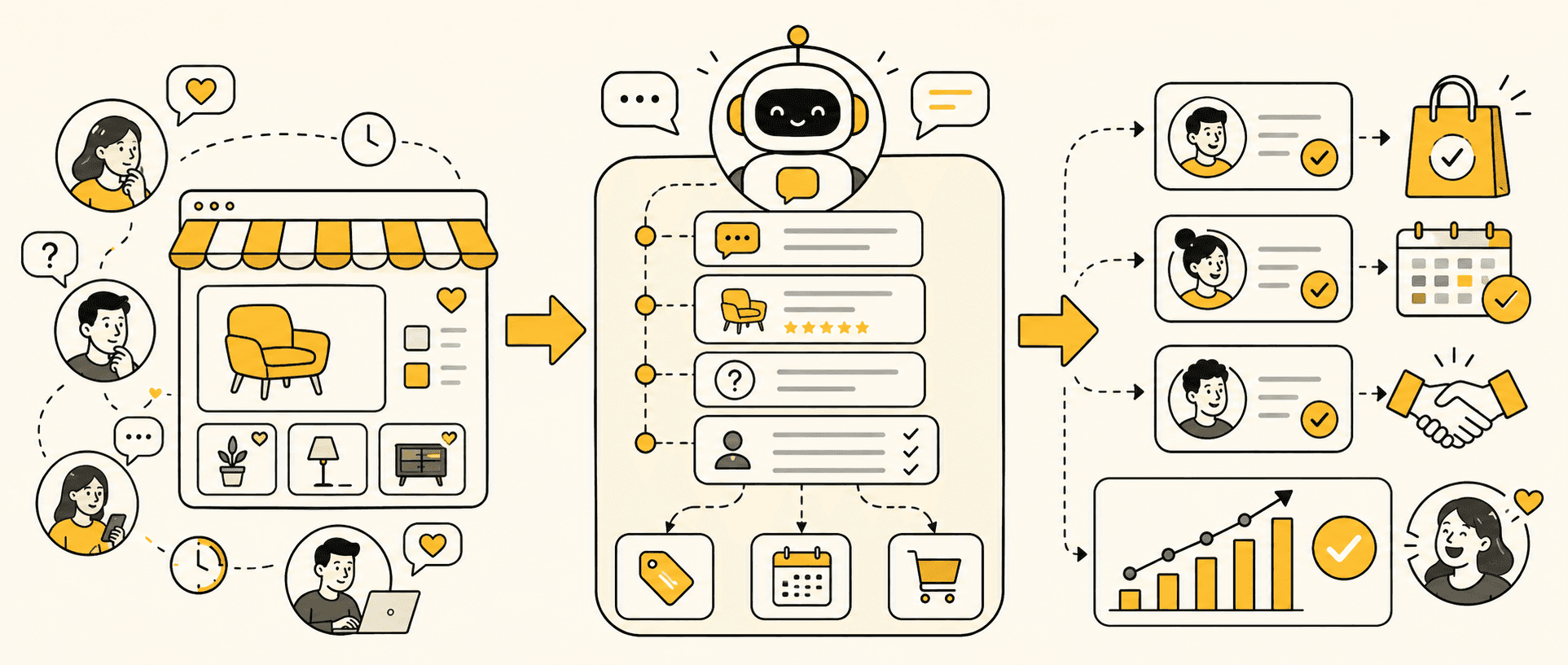
A visitor lands on your website and shows clear interest. They check pricing, compare service options, read product details, or open the booking page. But before they act, one small question stops them: Is this the right option? How much will it cost? Can I book today? What happens next?
If the answer is not easy to find, the visitor may leave. This is where many businesses lose conversions. The issue is not always weak traffic or poor design. Often, the gap is slow response, unclear guidance, or missing follow-up.
The practical question is how to turn that interest into action before the visitor drops off. AI chatbots help by answering questions, guiding decisions, identifying buying intent, and routing leads toward bookings, quotes, purchases, or follow-up.
What Is Conversion Rate?
Conversion rate is the percentage of visitors, shoppers, or leads who complete a target action. For ecommerce, it may be a purchase. For a service business, it may be a booking or quote request. For sales, it may be a qualified lead.
Conversion Rate = Conversions / Total Visitors × 100
If 1,000 visitors produce 40 bookings, forms, chats, or purchases, the conversion rate is 4%.
Before improving conversion rate, define the target action. A product page, checkout page, live chat flow, and sales funnel may each measure a different conversion. Once the goal is clear, you can find where visitors drop off.
How to Increase Conversion Rate with AI Chatbots
AI chatbots work best when they are built around real conversion barriers. The goal is not another support widget, but a shorter path from interest to action. A strong ai sales strategy helps decide which questions need quick answers, which leads need qualification, and which conversations should move toward booking, payment, or human follow-up.
Give Instant Answers When Visitors Show Interest
Delayed response is one of the easiest ways to lose an interested visitor. A customer may want to know price, service area, delivery time, appointment availability, product difference, or return policy. If the answer is not available quickly, another provider is one click away.
AI chatbots reduce this delay by answering common pre-sale questions when intent is still active. For ecommerce stores, clinics, beauty studios, education consultants, home service providers, and booking-based businesses, this means fewer visitors drop off while waiting for basic information.
Reduce Friction Around Forms, Booking, Quotes, and Checkout
Many conversions fail when the visitor reaches the action stage. The form is too long. The booking path is unclear. The quote request asks too much too soon. The checkout page leaves unanswered doubts.
AI chatbots can turn part of this process into a lighter conversation. Instead of asking for everything at once, the chatbot can collect basic details, answer blocking questions, and send the visitor to the right place.
The goal is not to remove forms. The goal is to make the step toward action feel easier and more relevant.
Guide Visitors Toward the Right Product, Service, or Next Step
Some visitors do not need more information. They need direction.
A shopper may be comparing two products. A service lead may not know which package fits their case. A local business customer may want to book but feel unsure about the right appointment type.
A strong chatbot flow should help visitors narrow the choice:
clarify what they need;
match them with the right product or service;
suggest a booking, quote request, consultation, or checkout step.
This is how chatbot conversations support how to increase conversion rate on websites: they turn passive browsing into guided decision-making.
Identify High-Intent Leads from Chat Behavior
Not every visitor should be treated the same. Chat behavior often shows who is closer to action.
High-intent questions usually sound specific:
“How much does it cost?”
“Can I book today?”
“Will you deliver to my area?”
For businesses asking how to increase conversion rate in sales, this matters. The goal is not to chase every visitor equally. It is to recognize stronger intent early, prioritize those conversations, and move them to the right next step faster.
How Dealism Turns Website Conversations into Sales Actions
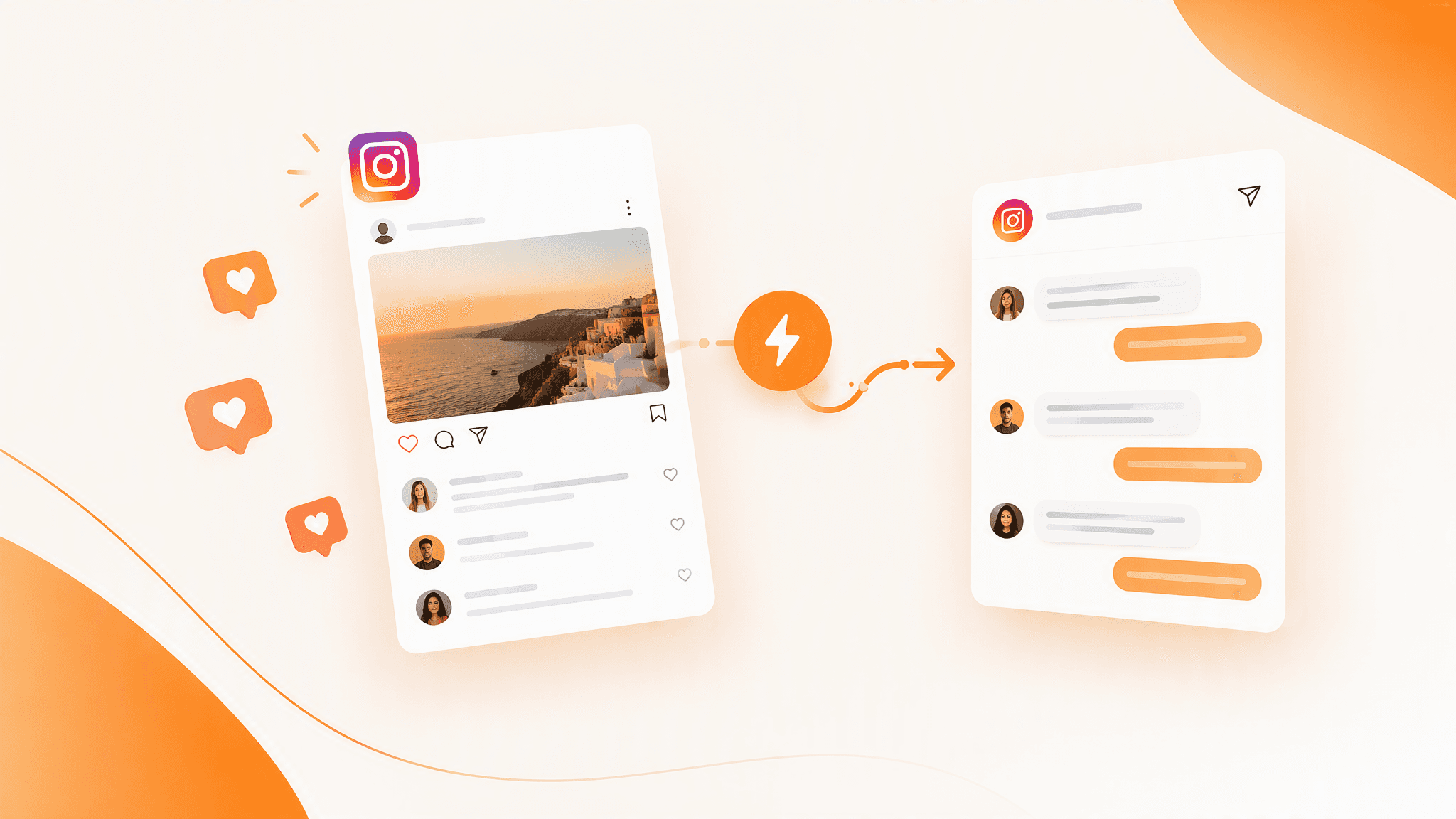
For many businesses, visitors do not convert because the conversation breaks too early. A lead may ask about pricing on the website, continue on Instagram, then need follow-up on WhatsApp. If messages stay scattered, the business may reply late, miss intent signals, or forget to follow up.
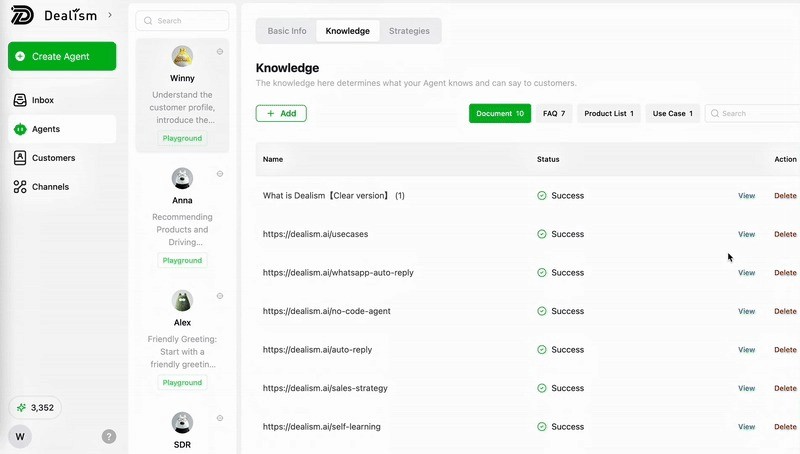
Dealism connects these moments into one sales workflow. It works as an AI sales agent system that understands intent, uses business knowledge, continues conversations across channels, and brings humans in when needed.
From Website Visit to WhatsApp or Instagram Conversation
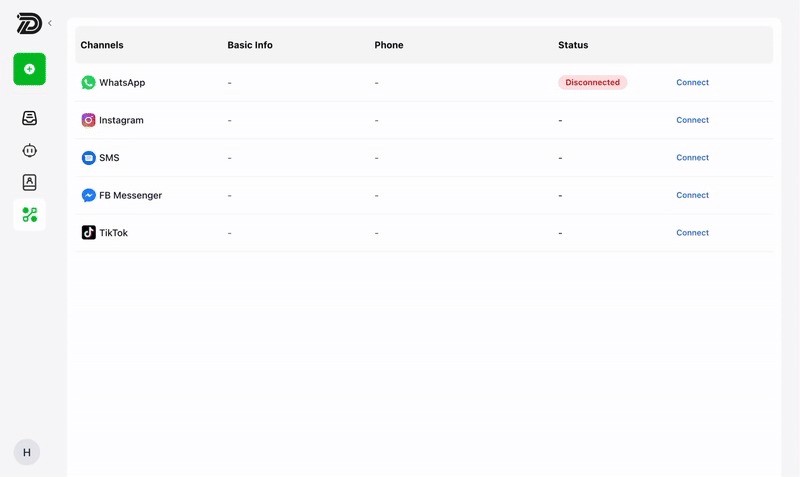
Dealism Live Chat turns the website into a starting point for conversation. When visitors have questions, they can be guided into WhatsApp or Instagram instead of staying inside a separate web chat box.
This is useful for businesses where customers usually ask before they buy or book, such as:
local services;
clinics and beauty studios;
education consultants;
The key benefit is continuity. The visitor may leave the website, but the conversation can continue in the messaging app they already use.
Spot High-Intent Leads Before They Get Lost
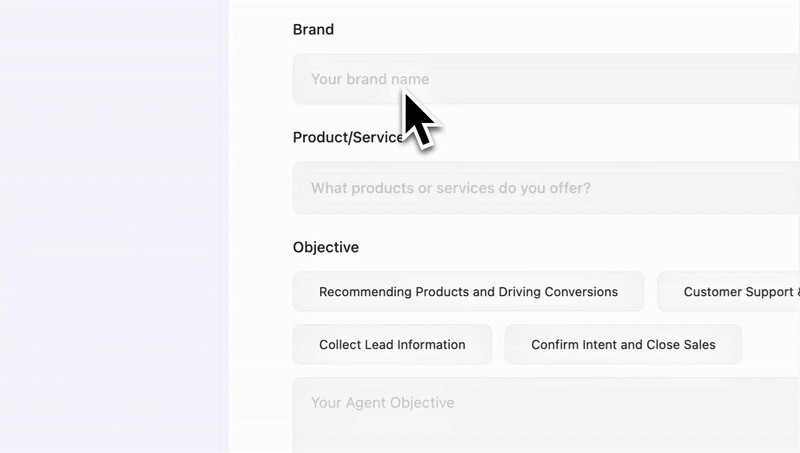
A visitor who asks about price, timing, delivery area, or booking availability is usually more valuable than someone who only browses a page. This no code agent can read these signals and help qualify the lead.
For example:
a pricing question may lead to a quote request;
an availability question may lead to booking;
This helps sales teams focus on conversations that are more likely to convert, instead of treating every message the same.
From One-Time Chat to Follow-Up
Not every lead converts in the first conversation. Some people need time to compare options, confirm a schedule, or discuss with someone else. Without follow-up, that interest fades.
Dealism keeps conversation history across WhatsApp, Instagram, and Web Chat, so follow-up does not start from zero. The AI can refer to previous questions, saved context, and business knowledge to continue the conversation naturally.
For example, if a visitor asked about a service package but did not book, the follow-up can return to that exact topic instead of sending a generic reminder.
Let Humans Step In When the Conversation Matters Most
Some conversations should not stay fully automated. A high-value lead, sensitive request, complex quote, or strong buying signal may need a human response.
Dealism supports this with human-in-the-loop control. Routine questions can be handled automatically, while important conversations can move to human takeover or Copilot-style support.
This keeps the workflow balanced: AI handles speed and repeated work, while humans handle judgment, trust, and key sales moments.
Conclusion
Learning how to increase conversion rate is not only about page design or more traffic. AI chatbots help by answering faster, guiding decisions, identifying high-intent leads, reducing friction, and supporting follow-up. Dealism turns website conversations, WhatsApp, Instagram, bookings, quotes, and sales inquiries into concrete sales actions while keeping human control.
Read more:
How to Automate Customer Replies for Local Businesses and Capture More Leads
Best AI Tools for Customer Service Automation That Drive Conversions