Does your local service business really need more leads, or are you losing the leads you already have?
A customer may find your website, check your Instagram, or send a WhatsApp message asking about price, availability, or service details. At that moment, the sale had already started. If the reply is slow, unclear, or too generic, the customer does not wait. They move to another provider.
For clinics, beauty studios, counseling practices, education consultants, home service providers, and local ecommerce sellers, online messages are not just support requests. They are often the first step in the sales process. To increase sales, local businesses need to turn online interest into clear conversations that lead to booking, quotes, consultations, or follow-up.
Quick Answer: How Local Service Businesses Can Increase Sales
Local service businesses increase sales when they connect four steps:
Customers find the business online.
Customers can ask questions easily.
The business replies fast with useful answers.
Each inquiry moves toward booking, quote, consultation, or follow-up.
Get More Local Customers Online Before the Lead Goes Cold
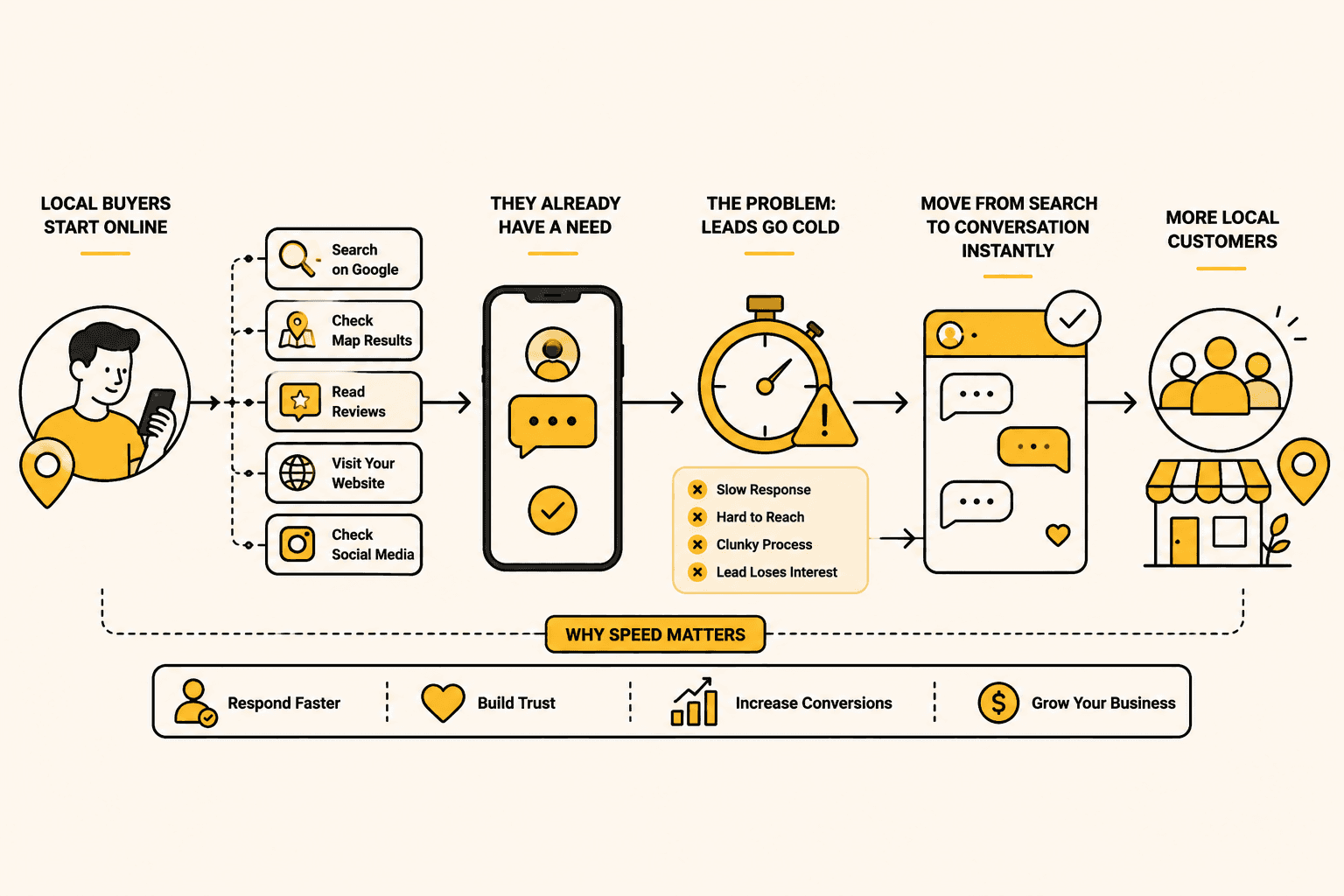
To understand how to get more local customers, start with one simple fact: most local buyers begin online.
They search on Google. They check map results. They read reviews. They visit your website. They look at Instagram. By the time they contact you, they often already have a need.
The problem is not only whether they can find you. The real issue is whether they can move from search to conversation without friction.
Show Up Where Local Customers Search
Your online presence should answer the first questions fast:
What service do you offer?
Where do you work?
Can the customer trust you?
How can they contact you now?
Your Google Business Profile should be complete. Your website should explain your services, service area, hours, reviews, and contact options. Your Instagram should show real proof, not just polished branding.
Some businesses use local seo services for small businesses to improve visibility. That helps, but ranking is not the final goal. The real goal is to get local customers online and move them into a call, booking, WhatsApp message, Instagram DM, or quote request.
Turn Local Search Into a Real Conversation
A service page should not only describe the business. It should make the next step clear.Most local service buyers still need to ask something before they act. They may ask about price, timing, location, availability, or whether the service fits their situation.
Those questions are not random support requests. They are sales signals.If the page does not guide the visitor to call, book, send a WhatsApp message, or ask on Instagram, the business may lose the lead before the conversation starts.
Connect With Local Customers After They Find You
This is where many local service businesses lose sales.
They may get website traffic, but the contact path is weak. The website has a form, but no fast message option. Instagram has posts, but no clear booking direction. WhatsApp exists, but customers are not guided there.
For local service businesses, that scattered path creates missed revenue.
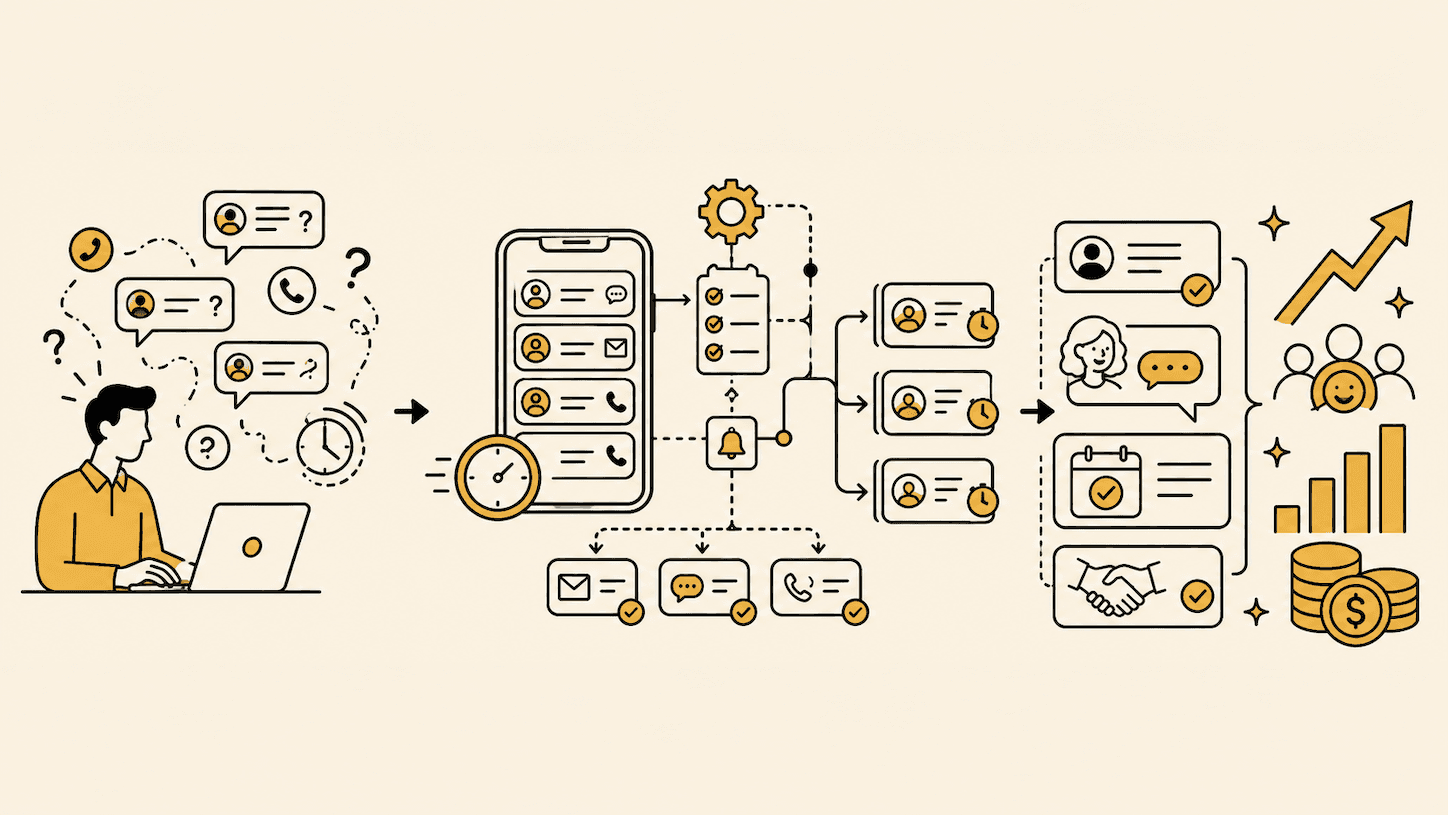
A better setup connects the website, WhatsApp, Instagram, and automated replies into one sales path. The goal is not just to answer messages. The goal is to move each customer toward booking, quotes, or follow-up.
Practical Strategies to Increase Sales for Local Service Businesses
Many local service businesses do not lose sales because they lack attention. They lose sales because customer interest is not handled well after the first message.
SEO, ads, and social media can bring people in. But if messages are slow, scattered, or poorly handled, attention does not become revenue. This is where many local business marketing services stop too early.
For local service businesses, better sales growth comes from three moves:
1. Reply Fast, But Reply With Direction
Local customers compare options quickly. A fast reply helps, but a useful reply wins.
A strong reply should:
Answer the question.
Ask for missing details.
Guide the customer toward booking, quote, consultation, or follow-up.
This is hard for small teams when messages come from the website, WhatsApp, and Instagram at the same time.
2. Use Automated Replies to Qualify Leads
A basic automated reply says, “Thanks for your message.” That is polite, but weak.
A stronger automated reply should move the lead forward:
If a customer asks about price, collect service type, location, and preferred time.
If a customer asks about availability, guide them toward booking.
If the request is complex, prepare it for human handoff.
This is the difference between a basic bot and AI Sales Chat. A bot answers. A sales workflow moves the lead forward.
3. Connect Website, WhatsApp, and Instagram Into One Sales Path
Local service businesses often get messages from different places.
One customer starts on the website. Another sends a WhatsApp message. Someone else replies on Instagram.
If these conversations stay scattered, the team loses context. Customers repeat details. High-intent leads get missed.
This is where Dealism fits.
Dealism Turns Local Conversations Into Sales Actions
For local service businesses, the sale often starts before a booking form is filled out.
A customer asks about the price.
Another checks availability.
Someone wants to know if the service fits their situation.
A website visitor clicks into WhatsApp or Instagram but is not ready to book yet.
These are sales moments. The problem is that many local teams do not have enough time to judge every message, collect the right details, and follow up before the lead goes cold.
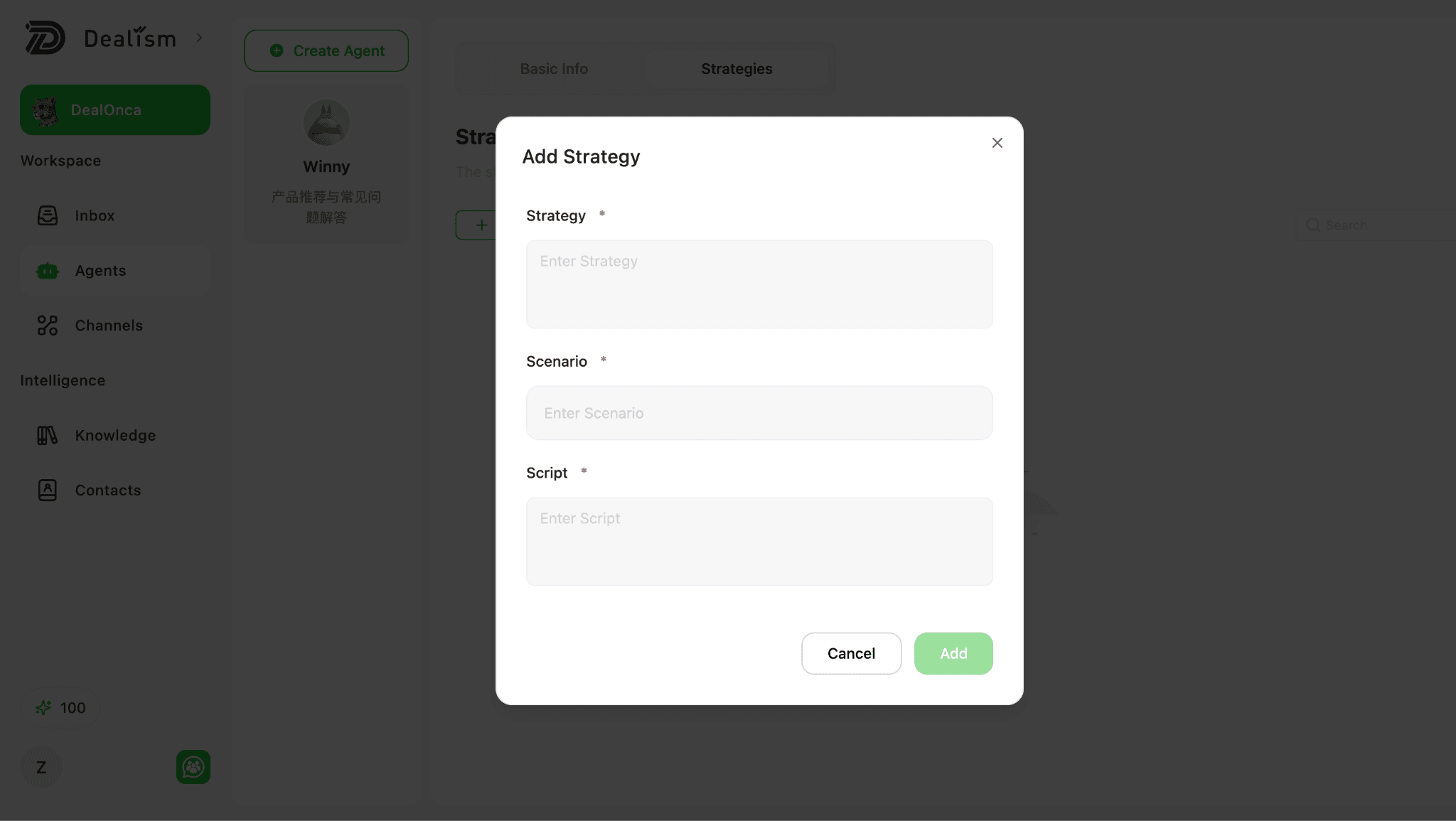
Dealism is an AI Vibe-Selling Agent for WhatsApp, Instagram, and Web Chat. It helps local service businesses turn scattered customer messages into real sales actions. The point is not just faster replies. The point is Conversation as Execution: the chat becomes the place where the business understands intent, clarifies needs, and moves the customer toward booking, quotes, consultation, or follow-up.
Dealism Handle the First Sales Conversation
Dealism is most useful when customer messages are frequent, repetitive, and easy to miss.
For example:
A clinic gets WhatsApp questions about consultation times.
A beauty studio receives Instagram DMs about prices and availability.
A home service provider gets website inquiries asking for same-day help.
Dealism can:
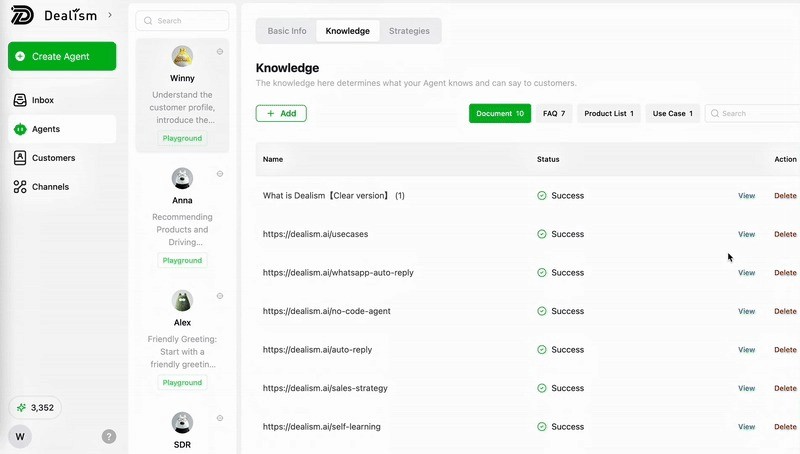
answer repeated questions from the business knowledge base
ask follow-up questions when the customer’s request is unclear
collect service type, location, time, and basic needs
keep context across WhatsApp, Instagram, and Web Chat
guide routine inquiries toward booking, quote, or consultation
bring in a human when trust, judgment, or closing matters
This helps the team spend less time sorting messages and more time handling the leads that actually need attention.
Dealism's built-in "ChatGPT for sales" Manages the Sales Agent System Behind the Scenes
When conversations grow, one AI sales assistant is not enough. This is where Dealism's built-in "ChatGPT for sales" becomes the advanced layer.
Dealism's built-in "ChatGPT for sales" does not chat with customers directly. It manages the AI sales agents behind the customer conversations.
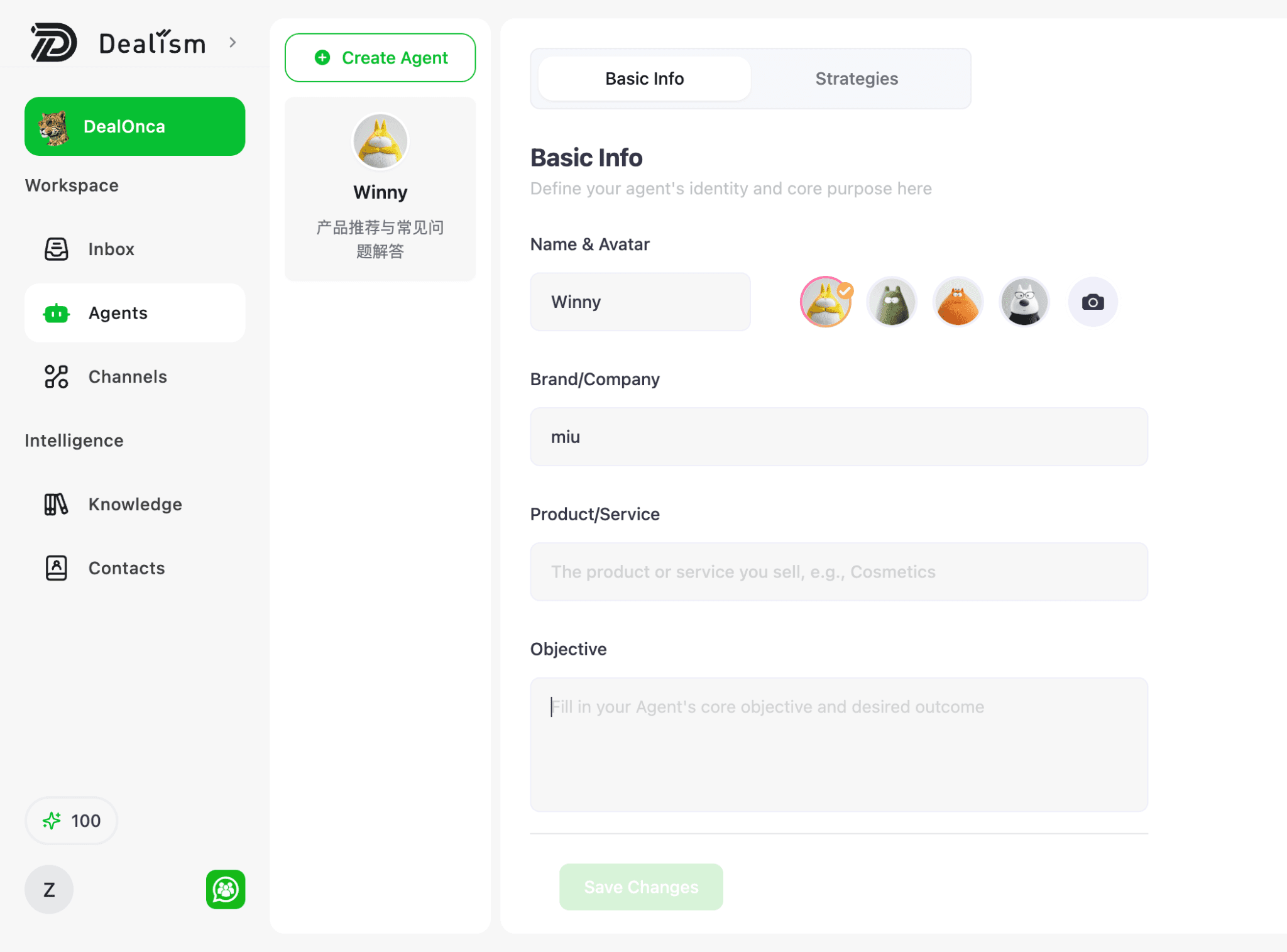
It helps local service businesses:
sync new service details, FAQs, and pricing across agents
keep replies consistent across WhatsApp, Instagram, and Web Chat
surface high-intent leads from many conversations
arrange follow-up for silent or unfinished leads
alert humans when a case needs judgment or personal attention
Dealism handles the customer conversation. Dealism's built-in "ChatGPT for sales" manages the agent system behind it.
For local service businesses, this means less manual inbox checking, clearer lead priorities, and a smoother path from message to booking, quote, or revenue.
Local Sales Are Moving Into Conversations
Local service sales are changing. Customers still want trust, speed, and clear answers. The difference is where those answers happen. Local service businesses increase sales when they connect search, websites, WhatsApp, Instagram, automated replies, and human follow-up into one flow.
If your local service business depends on WhatsApp, Instagram, and website inquiries, Dealism helps your team stop losing customer interest in scattered chats. This AI sales agent handles repeated questions and keeps the conversation moving, while a human can step in when the lead needs judgment, trust, or a final sales push. It turns scattered online messages into real sales conversations, so customer interest does not disappear before it becomes revenue.
Relevant content you will like
How to Automate Customer Replies for Local Businesses and Capture More Leads
Best AI Tools for Customer Service Automation That Drive Conversions