
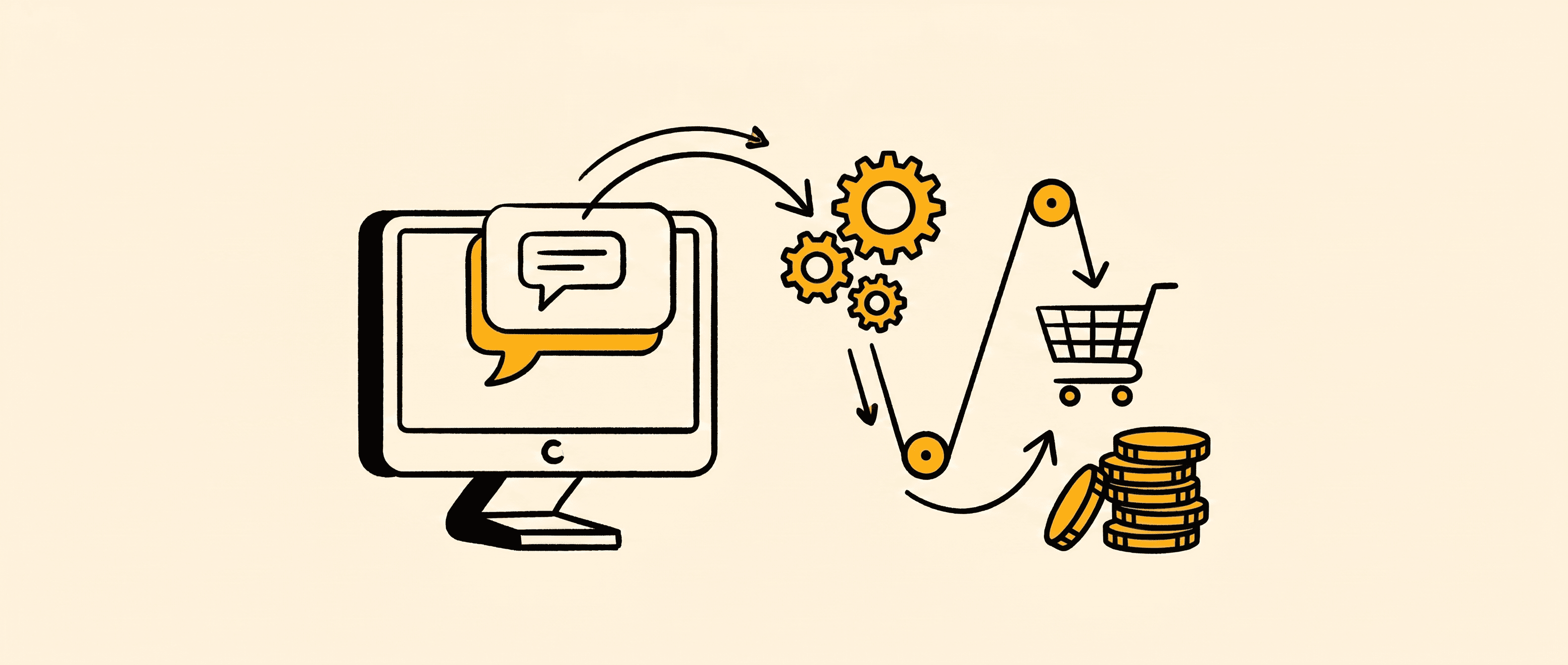
Many businesses do not lose customers because their product is bad. They lose them because the customer has one question, one doubt, or one small moment of hesitation that never gets resolved. That is where live chat customer service becomes powerful. When it is done well, chat is not just a support tool. It becomes a way to guide interest, reduce friction, and move people toward action.
Today, buyers expect fast answers without filling out long forms or waiting for an email reply. They want to ask, compare, confirm, and decide in the moment. That is why businesses are investing more in customer service chat online systems that feel quick, clear, and easy to use. But speed alone is not enough. The real value comes from how the conversation is handled. With the right Ai-support setup, businesses can do more than reply faster. They can respond with context, guide the next step, and turn more conversations into real opportunities.
Why live chat customer service matters for modern buyers
Modern buyers move fast, but they still have questions before they decide. A visitor may want to check the price, understand how a service works, confirm availability, or know what happens next after an inquiry. If the answer takes too long, the moment is often lost. That is why live chat customer service matters so much. It helps businesses respond while intent is still high and reduces the friction that stops people from moving forward.
It matters most for three reasons:
Buyers want answers right away
Most people do not want to wait for an email reply or search through multiple pages. They want a quick, clear answer at the moment. A fast response helps keep attention and builds confidence.
Support and sales often happen together
Many chat conversations are not only about service. A person asking about appointment times may also be deciding whether to book. A shopper asking about return policy may still be comparing options before buying. In these cases, chat supports both help and conversion.
Buyers expect more from customer service chat online
A good customer service chat online experience should feel easy and useful, not like a ticket form in disguise. Buyers usually want:
speed
clarity
relevant answers
simple next steps
the option to talk to a real person when needed
If any of these are missing, chat becomes frustrating. A fast but generic answer does not help. A useful answer that arrives too late does not help either.
That is why strong chat teams do more than reply quickly. They ask the right follow-up questions, understand what the customer actually needs, and guide the conversation toward the next step.
Core live chat customer service strategies that improve conversion
The best live chat customer service strategies look simple, but they do important work underneath. They help businesses reply quickly, understand what the customer really needs, and move the conversation toward action.
Respond fast, but answer the real need
Speed matters because delay kills momentum. But the reply still needs to match the customer’s actual concern. A question like “Do you have weekend appointments?” may also signal urgency, convenience, or buying intent. Good chat does not just answer. It reads the context behind the question.
Use chat to qualify, not just reply
Strong chat helps identify intent. Is the customer ready to book, still comparing, or looking for reassurance first? That is why chat often works better than a static form. A form collects information. A conversation helps move the decision forward.
Guide each conversation to a next step
Every chat should lead somewhere: booking, pricing, contact details, a specialist handoff, or the right channel. Without a next step, even a helpful answer can lose momentum. A good sales chat flow keeps things moving without sounding pushy.
Route high-intent conversations properly
Not every message belongs in general support. If someone is asking about plans, fit, timing, or custom options, they may be ready to chat with sales. Businesses that treat every conversation the same often miss valuable opportunities.
Make human takeover easy
Some conversations need more care. In clinics, counseling, beauty, education, and other trust-based services, fast human takeover matters.
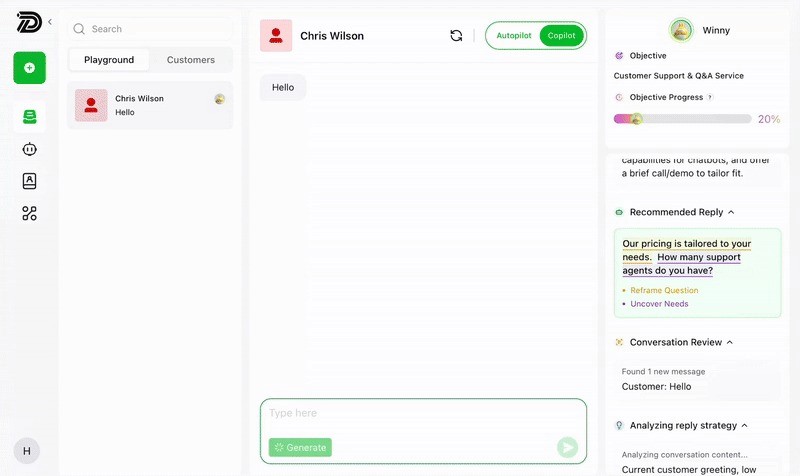
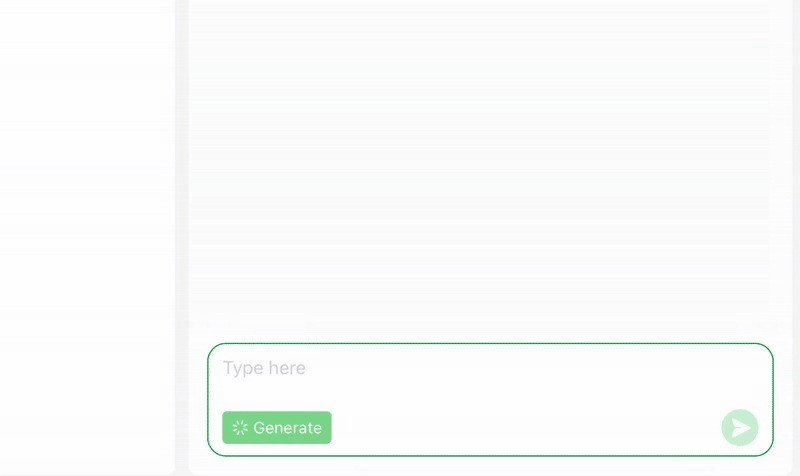
This is also where a more advanced tool like Dealism becomes useful, especially when your chats involve qualification, follow-up, and guiding customers to the next step. With its AI Sales Strategy features, Dealism can analyze chat data, score leads, and recommend the next best sales action to help improve conversion and focus attention on high-intent customers. Teams can also choose between Copilot mode for AI-assisted replies with human approval, or Autopilot mode for fully automated messaging.
How live chat customer service turns support into sales
A lot of businesses still think chat is mainly for answering FAQs. That view is too narrow. Done well, live chat customer service can help generate more leads, speed up decisions, and improve customer confidence at the same time. It works because it meets buyers at the exact moment they need clarity.
Reducing customer hesitation during the buying process
Many customers do not leave because they are not interested. They leave because one small doubt stays unanswered. They may want to confirm pricing, availability, timing, or fit before they move forward. Chat helps remove that friction right away. A quick, useful answer can keep the conversation alive and stop a potential customer from dropping off.
Capturing high-intent leads earlier
Some people will never fill out a long form or wait for an email reply, but they will ask a quick question in chat. That makes chat a lower-friction entry point. It helps businesses spot interest earlier and start conversations with people who might otherwise leave without taking any action.
Shortening the path from question to action
Good chat does not just answer questions. It guides people to the next step. Instead of making the user search through pages, chat can direct them to booking, pricing, product details, or the right team. That makes the journey feel easier and more natural.
When businesses treat chat as part of the buying journey, not just a support channel, it becomes much more valuable. It helps turn interest into action while the customer is still engaged.
Common live chat customer service mistakes that hurt sales
Bad chat can create more friction than no chat at all. Many businesses install a widget and assume the job is done. In reality, poor setup can push customers away and weaken trust.
Common mistakes include:
Treating every message like a support ticket
Not every chat is only a service question. Many messages are early buying signals. If the reply stays too narrow, the business may miss a real sales opportunity.
Using fast but empty replies
Canned responses may save time, but customers can tell when the answer does not match their question. This makes the business feel robotic and unhelpful.
Breaking the conversation across channels
A customer may start on the website and then move to WhatsApp, Instagram, or email. If they have to repeat everything, the experience becomes frustrating and trust drops.
Stopping after the first answer
One reply is not enough. Good live chat customer service should keep the conversation moving until the customer reaches a clear next step, a handoff, or a decision.
When businesses avoid these mistakes, chat becomes much more useful. It not only answers questions, but also supports better customer experience and stronger conversion.
How Dealism turns chat into a sales workflow
For many service businesses, the challenge is not getting inquiries. It is handling messy conversations well. One lead asks about pricing, another asks about booking, and another sends a vague message that needs clarification first. In that kind of workflow, basic chat tools may reply, but they often stop at simple answers. They do not help the business understand intent or guide the next step.
That is where Dealism fits. It is built as an AI sales agent for conversations where support, qualification, and conversion often happen together. Instead of relying on rigid scripts, it uses a more natural approach: understanding emotion, clarifying needs, and moving the conversation forward without sounding mechanical or pushy.
What makes Dealism different in live chat customer service
Dealism is useful because it is built for businesses where conversations are part of the sales process, not just a support layer. Its value comes from how it helps structure messy chat into clearer action.
It works beyond basic auto-reply
Instead of only answering simple questions, Dealism helps identify intent, clarify unclear inquiries, and decide what should happen next.It connects website chat to natural messaging channels
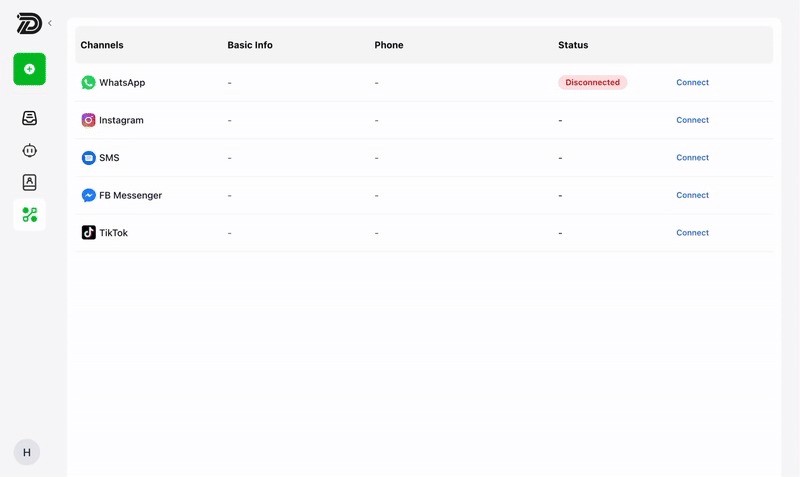
Dealism Live Chat is not just an on-site chat box. It works more like a website entry point that can guide visitors into connected WhatsApp or Instagram conversations, where follow-up can continue more naturally.It supports sales and service in the same flow
For many businesses, one conversation includes questions, hesitation, qualification, and booking. Dealism is better suited to this kind of mixed workflow than a simple FAQ bot.It keeps human takeover available
When a conversation becomes sensitive, high-intent, or too nuanced, the business can step in at the right moment instead of forcing the customer through rigid automation.
Where Dealism fits best
Dealism works especially well for clinics scheduling systems, counseling practices, beauty services, education consulting, and other high-explanation businesses where chat is often part of trust-building, qualification, and conversion.
In these cases, live chat customer service should not stop at answering. It should help move the conversation from inquiry to clarity, from clarity to follow-up, and from follow-up to action. That is where Dealism stands out.
Conclusion
If your business already gets questions through chat, you are sitting on more sales potential than you may realize. Every message is a chance to build trust, uncover real intent, and move someone closer to booking or buying. The difference is not whether you have a chat. It is whether your live chat customer service can guide the conversation instead of letting it stall. When you treat live chat customer service as part of your sales process, not just a support box, you create a smoother path from first question to real action.
That is why investing in a smarter, more conversion-focused chat workflow is worth it now. Try Dealism now and start turning everyday conversations into clearer next steps, stronger follow-up, and more sales-ready opportunities.