O Guia Definitivo sobre Automação Conversacional, Agentes de IA e Execução de Receita
Todos os dias, milhões de pequenas e médias empresas de serviços (PMEs) enfrentam o mesmo desafio estrutural. Seu WhatsApp não para de tocar, suas DMs do Instagram estão acumulando e o chat ao vivo do seu site está piscando. Clientes em potencial estão entrando em contato ativamente para perguntar sobre preços, disponibilidade e detalhes do serviço no exato momento em que o interesse deles está no nível mais alto.
Você já sabe que as mensagens instantâneas são um dos pontos de entrada de maior conversão no ecossistema digital moderno. No entanto, como operador ou fundador, muitas vezes você não tem tempo, largura de banda operacional ou uma equipe de vendas dedicada para responder a cada mensagem em tempo real.
O conselho padrão do setor é: "Crie um bot de WhatsApp para automatizar as respostas." Mas, à medida que avançamos em 2026, essa definição não é mais suficiente. Se o seu sistema ainda está limitado a respostas automáticas rígidas ou acionadores simples por palavras-chave, é provável que ele esteja prejudicando a experiência do usuário, perdendo leads de alta intenção e reduzindo sua taxa de conversão geral.
Este guia explica como usar e criar um bot de WhatsApp que vai além da automação simples — ajudando você a responder a consultas automaticamente, capturar e qualificar leads, otimizar a comunicação com o cliente e, em última análise, aumentar as vendas por meio de fluxos de trabalho conversacionais estruturados.
O que é um Bot de WhatsApp? (Menu vs. ChatGPT vs. Agentes de IA)
Um bot de WhatsApp é um sistema projetado para automatizar conversas dentro do WhatsApp, permitindo que as empresas respondam a mensagens, gerenciem consultas e guiem os usuários em direção a ações estruturadas, como agendamento, compra ou solicitação de serviços.
Em 2026, no entanto, “bot de WhatsApp” já não é mais uma categoria única. Ele representa um espectro de sistemas conversacionais com níveis fundamentalmente diferentes de inteligência, autonomia e capacidade de execução de negócios.
Definição Moderna (Pronta para SEO + Visões Gerais de IA)
Um bot de WhatsApp é um sistema reativo que responde às mensagens dos usuários automaticamente com base em uma lógica predefinida ou em respostas geradas por IA.
Um agente de IA é um sistema de execução que compreende a intenção, aplica a lógica de negócios e realiza ações estruturadas dentro das conversas.
Essa distinção é crítica porque a maioria das falhas na automação conversacional ocorre por tratar todos os bots como se fossem iguais.
1. Bots de WhatsApp Baseados em Regras (Sistemas de Menu)
Os bots baseados em regras operam com base em estruturas lógicas predefinidas, como condições SE/ENTÃO, acionadores de palavras-chave e fluxos de navegação baseados em menus.
Os comportamentos típicos incluem:
“Digite 1 para agendamento, Digite 2 para suporte”
Detecção de palavras-chave como “preço”, “horário” ou “localização”
Árvores de decisão lineares sem adaptação contextual
Pontos Fortes:
Fácil e rápido de implementar
Resultados altamente previsíveis
Baixo custo de infraestrutura
Pontos Fracos:
Não consegue interpretar variações de linguagem natural
Quebra facilmente quando os usuários se desviam dos caminhos esperados
Tratamento inadequado de conversas complexas ou com clientes de alta intenção
Esses sistemas foram construídos para controle e estrutura, não para um comportamento conversacional real.
2. Bots de WhatsApp com IA / ChatGPT
Esses sistemas integram o WhatsApp com grandes modelos de linguagem (LLMs), como os modelos GPT da OpenAI, por meio de plataformas de middleware ou integrações de API.
Eles permitem que os usuários:
Façam perguntas em linguagem natural
Recebam respostas dinâmicas e humanizadas
Comuniquem-se sem menus estruturados
Pontos Fortes:
Forte compreensão de linguagem natural
Suporte a comunicação multilíngue
Fluxo conversacional altamente flexível
Pontos Fracos:
Sem memória de negócios inerente
Sem conhecimento de regras de preços ou restrições operacionais, a menos que explicitamente projetado
Sem lógica integrada de funil de vendas
Sem priorização de leads ou resultados de negócios
Um bot puro do ChatGPT otimiza para a qualidade da conversa, não para resultados de receita ou execução de negócios.
3. Agentes de IA (Sistemas de Execução Conversacional)
Os agentes de IA representam a camada mais avançada de automação conversacional.
Eles combinam:
Compreensão de linguagem natural
Regras de negócios estruturadas
Memória contextual persistente
Lógica de execução baseada em fluxo de trabalho
Diferente dos bots tradicionais, os agentes de IA não apenas respondem — eles operam dentro dos processos de negócios.
Eles conseguem:
Qualificar leads em tempo real
Fazer perguntas de acompanhamento estruturadas
Combinar clientes com serviços ou disponibilidade
Iniciar agendamentos ou transações
Executar fluxos de trabalho de acompanhamento automaticamente
👉 Isso transforma fundamentalmente as mensagens de mera comunicação para execução operacional.
Como os Bots de WhatsApp são Usados nos Negócios Hoje
O WhatsApp se tornou um dos canais de comunicação de maior intenção no comércio digital. Ao contrário do e-mail ou de formulários da web, as conversas ocorrem em tempo real — frequentemente no exato momento em que o cliente está pronto para tomar uma decisão.
De acordo com as informações do Meta Business Messaging, as interações baseadas em mensagens entregam taxas de engajamento significativamente maiores em comparação com canais de comunicação tradicionais, como e-mail ou formulários estáticos. Meta Business Messaging
Pesquisas do setor de plataformas de comunicação conversacional, incluindo o Relatório de Engajamento do Cliente da Twilio, também destacam que interações baseadas em mensagens melhoram as taxas de resposta e reduzem o atrito ao longo da jornada do cliente.
1. Atendimento Automatizado de Perguntas Frequentes (FAQs)
As empresas usam a automação do WhatsApp para responder instantaneamente a perguntas repetitivas, tais como:
Informações sobre preços e pacotes
Disponibilidade e agendamento
Localização e área de cobertura do serviço
Isso garante uma capacidade de resposta contínua, 24 horas por dia, 7 dias por semana, sem aumentar o número de funcionários operacionais.
2. Captura e Qualificação de Leads
Em vez de tratar todas as consultas como iguais, os sistemas de IA podem:
Fazer perguntas de qualificação estruturadas
Identificar a intenção e a urgência do cliente
Segmentar leads com base no valor para o negócio
Isso melhora significativamente a eficiência de vendas, filtrando o tráfego de baixa qualidade logo no início.
3. Automação de Agendamentos e Calendário
Altamente relevante para setores baseados em serviços, tais como:
Clínicas de saúde
Consultórios odontológicos
Serviços de bem-estar e beleza
Empresas de coaching e consultoria
O sistema dinamicamente:
Entende as necessidades do usuário
Cruza as informações com o provedor de serviços certo
Confirma os agendamentos diretamente no chat
4. Assistência de Vendas e Suporte de Conversão
Os bots podem apoiar o processo de vendas ao:
Explicar as ofertas de serviços
Lidar com objeções básicas
Guiar os usuários em direção à tomada de decisão
No entanto, sem uma lógica de execução estruturada, a maioria dos sistemas falha em converter de forma consistente leads de alta intenção.
5. Acompanhamentos e Recuperação de Receita
Um dos gargalos de receita mais subestimados nas operações de PMEs são as conversas abandonadas.
Os sistemas de IA podem:
Detectar conversas estagnadas
Acionar acompanhamentos (follow-ups) contextuais
Reengajar usuários com base no interesse anterior
👉 Isso recupera diretamente a receita perdida sem aumentar o custo de aquisição de clientes.
Como Criar um Bot de WhatsApp: A Realidade Estrutural
Criar um bot de WhatsApp geralmente segue dois caminhos arquitetônicos principais. No entanto, ambas as abordagens trazem compensações operacionais ocultas que frequentemente são subestimadas.
Caminho Sem Código (Rápido, mas Estruturalmente Limitado)
Essa abordagem é amplamente utilizada por PMEs devido à velocidade de implantação.
Fluxo de trabalho típico:
Conectar a API do WhatsApp Business por meio de um provedor
Usar um construtor de fluxo de trabalho visual
Definir fluxos de conversa e acionadores
Implementar respostas automatizadas
Realidade operacional:
Embora essa abordagem seja rápida, ela força as empresas a predefinirem todos os comportamentos possíveis dos clientes. Isso resulta em sistemas de conversação rígidos que têm dificuldades em lidar com a variabilidade do mundo real.
👉 Com o tempo, as equipes frequentemente passam de “rodar automações” para apenas “dar manutenção em fluxogramas”.
Caminho do Desenvolvedor (Flexível, mas Operacionalmente Complexo)
Esta abordagem utiliza a API do WhatsApp Cloud combinada com sistemas de backend.
A arquitetura inclui:
API do WhatsApp Cloud para transporte de mensagens
Sistema de webhook para tratamento de eventos
Integração de modelo de IA para processamento de linguagem
Camada de lógica de negócios para tomada de decisões
Armazenamento de dados para contexto e memória
Realidade operacional:
Esta abordagem oferece flexibilidade total, mas introduz complexidade contínua de engenharia, incluindo manutenção do sistema, ajuste de comandos (prompts) e gerenciamento de APIs.
Como Usar um Bot de WhatsApp com ChatGPT e Suas Limitações de Negócios
O ChatGPT pode ser integrado aos sistemas de WhatsApp tanto por meio de plataformas sem código quanto por infraestrutura de API personalizada.
Em ambos os casos, ele permite uma interação conversacional natural, mas introduz uma limitação estrutural:
Um bot de ChatGPT foi projetado para se comunicar, não para executar fluxos de trabalho de negócios.
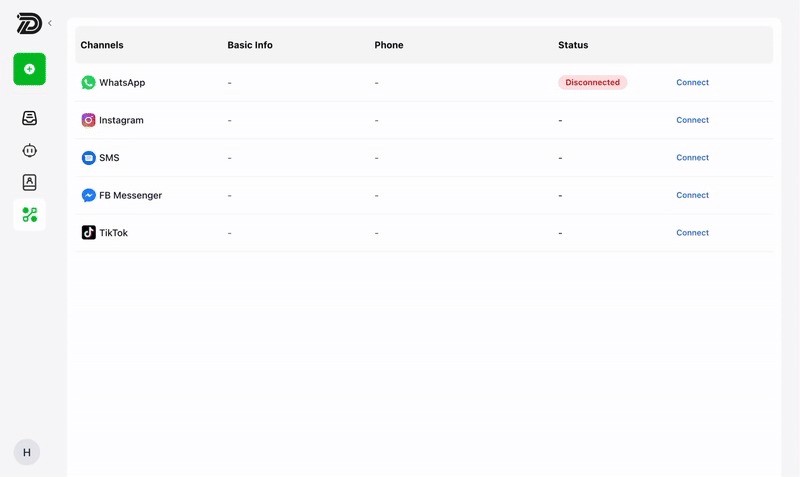
Comparação de Comportamento do Sistema
Chatbot tradicional:
Mensagem → Resposta baseada em regras → Fim
Bot de ChatGPT:
Mensagem → Resposta natural → Conversa estendida → Sem execução
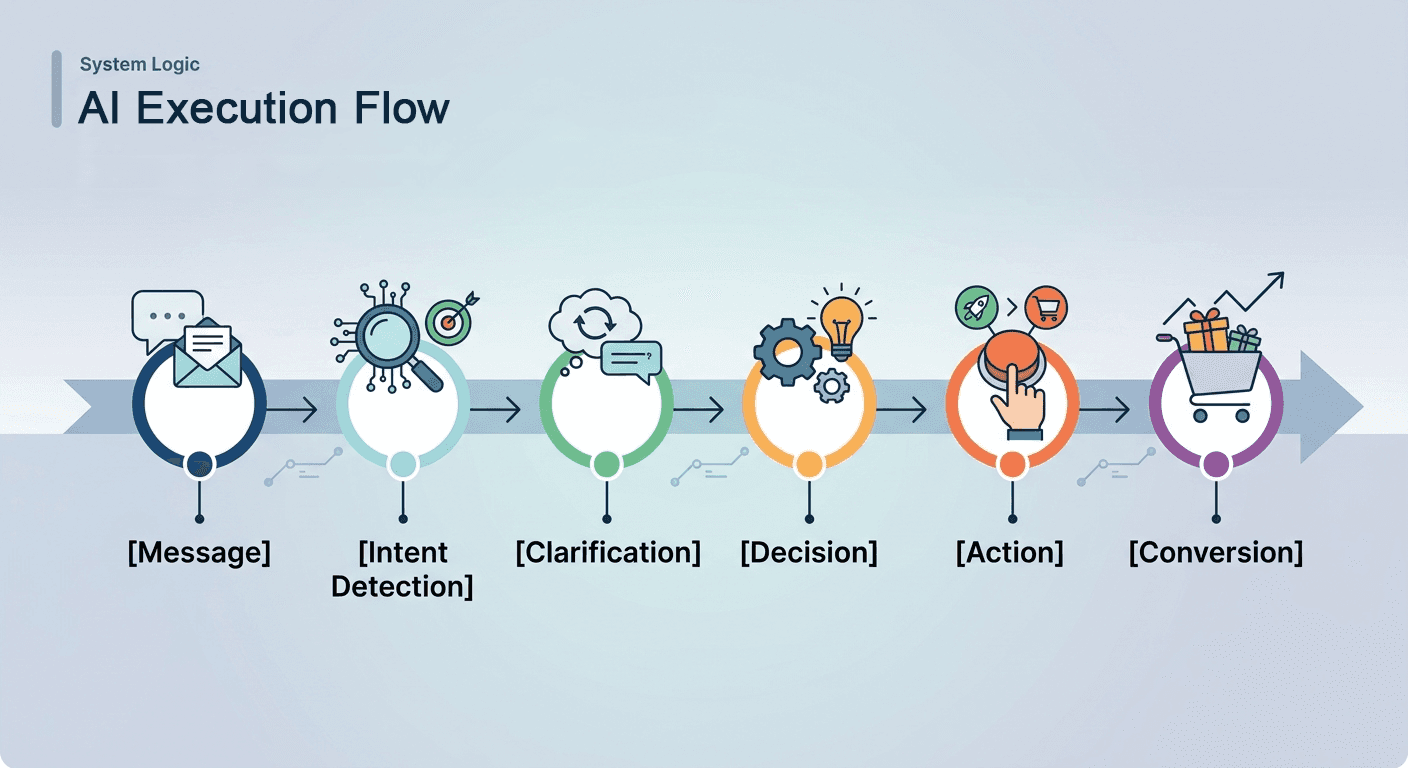
Agente de IA:
Mensagem → Compreensão da intenção → Clarificação → Decisão → Execução → Conversão
Um bot bruto do ChatGPT não possui:
Consciência do funil de vendas
Lógica de priorização de negócios
Comportamento de otimização de conversão
Ele pode responder com precisão, mas não gerencia os resultados.
WhatsApp Business App vs. WhatsApp Business API
Selecionar a infraestrutura correta de WhatsApp determina o teto de sua capacidade de automação.
Recurso | Aplicativo Business | API Business |
Custo | Gratuito | Baseado em uso |
Automação | Respostas básicas | Fluxos de automação completos |
Integração de IA | Limitada | Totalmente suportada |
Escalabilidade | Baixa | Alta |
Caso de Uso | Profissionais autônomos | PMEs e empresas em crescimento |
👉 Para qualquer automação significativa, o acesso ao nível de API é obrigatório.
Melhores Práticas: Quando Transferir para um Humano
Uma automação eficaz não elimina os humanos — ela os realoca de forma inteligente.
A transferência para um humano deve ocorrer quando:
Uma intenção de compra de alto valor é detectada
Surgem tópicos emocionais ou sensíveis
Negociação ou personalização de proposta são necessárias
O nível de confiança da IA é baixo
Modelo operacional ideal:
A IA cuida da estrutura, qualificação e direcionamento (80%)
Os humanos cuidam da conversão final, negociação e casos excepcionais (20%)
De Chatbot para Agente de Vendas de IA: A Mudança de Sistema
O problema fundamental com a maioria dos sistemas de automação de WhatsApp não é a comunicação — é a execução.
As empresas não sofrem por falta de respostas. Elas sofrem por falta de tomadas de decisão estruturadas dentro das conversas.
A evolução:
Bots baseados em regras → respostas estáticas
Bots de ChatGPT → assistência conversacional
Agentes de IA → sistemas de execução dentro das conversas
Apresentando o Dealism: Camada de Execução Conversacional
O Dealism não é um chatbot ou um sistema de CRM comum.
É uma camada de execução conversacional projetada para transformar interações de mensagens em resultados de negócios estruturados no WhatsApp, Instagram e canais da web.
Em vez de gerenciar conversas, ele gerencia fluxos de trabalho de execução de receita.
Principais capacidades:
1. Criação e Treinamento de Agentes de IA
As empresas podem criar agentes treinados com base em:
Estruturas de preços
Perguntas frequentes (FAQs)
Roteiros para contorno de objeções
Tom de voz da marca e estilo de comunicação
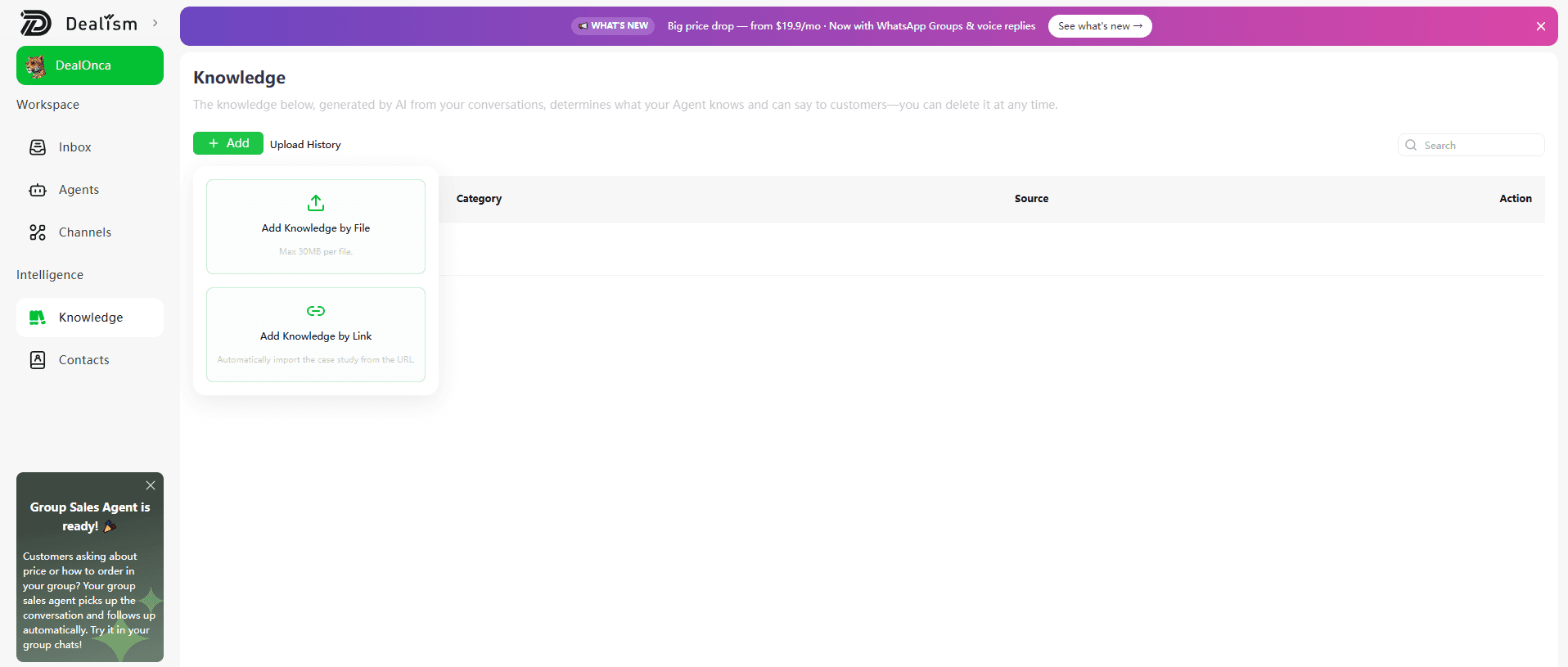
2. Infraestrutura de Mensagens Omnicanal
Oferece suporte a:
API do WhatsApp Business
Integração de chat ao vivo em sites
Incluindo:
Fluxos de automação de Comentário no Instagram → Direct Message
Continuidade da conversa entre canais
3. Camada de Inteligência de Vendas
O sistema pode:
Identificar leads de alta intenção
Acompanhar o desempenho das conversas
Detectar pontos de desistência no funil
Analisar a eficiência das respostas
4. Automação de Execução
Inclui:
Lógica de direcionamento inteligente
Estruturas de encaminhamento e escalabilidade
Modos de execução em piloto automático
Tratamento de decisões com base em fluxos de trabalho
Perguntas Frequentes (FAQ)
Qual é a diferença entre um bot de WhatsApp e um agente de IA?
Um bot de WhatsApp responde a mensagens, enquanto um agente de IA interpreta a intenção do usuário e executa ações de negócios estruturadas dentro das conversas.
Preciso da API do WhatsApp Business?
Sim. Automação avançada, integração com IA e fluxos de trabalho escaláveis exigem a API do WhatsApp Business.
Por que a maioria dos bots de WhatsApp falha no uso comercial real?
Porque eles focam apenas em responder e não na execução de processos comerciais, como lógica de qualificação, conversão e acompanhamento.
O ChatGPT pode substituir uma equipe de vendas?
Não. O ChatGPT auxilia na comunicação, mas sem uma lógica de execução estruturada, ele não consegue gerenciar resultados de receita de forma confiável.
A automação do WhatsApp é adequada para PMEs?
Sim. As PMEs se beneficiam significativamente porque muitas vezes não possuem uma grande infraestrutura de vendas dedicada.
Qual é a principal vantagem dos agentes de IA em relação aos bots tradicionais?
Os agentes de IA executam fluxos de trabalho de negócios reais dentro das conversas em vez de apenas responder mensagens de forma passiva.